Skincare Routine for Dry or Sensitive Skin with Acne
Medically reviewed by Dr. Rachel Torres, Board-Certified Dermatologist
Written by Teen Acne Solutions Editorial Team — Updated April 17, 2026
Skincare Routine for Dry or Sensitive Skin with Acne
Most acne advice assumes you have oily skin. Use a strong cleanser. Dry it out. Hit it with benzoyl peroxide. Pile on the salicylic acid.
If your skin is dry or sensitive, following that advice will make everything worse. Fast.
You end up in this frustrating loop: your skin is breaking out, so you use acne products. The acne products dry you out and cause redness. Your damaged skin barrier triggers more breakouts. So you use more acne products. And round it goes.
I want to be direct about something that most skincare content dances around: dry-skin acne is harder to treat than oily-skin acne. The standard playbook doesn't work. You need a different approach entirely, one that puts your skin barrier first and treats acne second.

Key Takeaways
- Your skin barrier comes first, acne treatment comes second. A damaged barrier makes acne worse, not better.
- Foaming and stripping cleansers are the enemy. Switch to cream or milk cleansers immediately.
- Ceramides, hyaluronic acid, and gentle formulas are your foundation. Build strength before adding actives.
- You can still use acne treatments, but at lower concentrations and less frequently. Buffering is your friend.
- The slug method (occlusive over moisturizer) can rescue severely dry, damaged skin overnight.
The Dry-Skin Acne Paradox
Here's what makes this skin type confusing: dryness and acne seem like opposites. Oily skin gets acne. Dry skin doesn't. Right?
Wrong. Acne is an inflammatory condition at its root, driven by hormones, bacteria, and abnormal cell shedding inside pores [1]. You don't need excess oil for pores to clog. When dry skin sheds cells unevenly (a condition called retention hyperkeratosis), those dead cells can still block follicles and trap what little sebum you do produce [2].
On top of that, a compromised skin barrier lets irritants and bacteria in more easily, triggering inflammatory responses. Research published in the Journal of Clinical and Aesthetic Dermatology found that patients with impaired barrier function had higher rates of inflammatory acne lesions compared to those with intact barriers [3].
So the logic is counterintuitive but consistent: fix the barrier, reduce the inflammation, calm the acne.
What's Wrecking Your Barrier
If your skin is red, tight, flaky, and breaking out simultaneously, something in your routine is probably damaging your moisture barrier. Common culprits:
Foaming cleansers with sulfates. Sodium lauryl sulfate (SLS) and sodium laureth sulfate (SLES) are effective degreasers. Too effective for sensitive skin. They strip natural lipids from the stratum corneum, the outermost layer of skin that acts as your barrier [4].
Benzoyl peroxide at high concentrations. The 10% BP wash your friend with oily skin loves? It's probably torching your face. BP is a powerful oxidizing agent. On dry or sensitive skin, it causes peeling, redness, and burning that can take weeks to recover from.
Retinoids without proper introduction. Adapalene (Differin) and tretinoin are effective acne treatments, but they accelerate cell turnover, which temporarily weakens the barrier. For sensitive skin, jumping straight to nightly use is asking for trouble.
Over-exfoliating. Using AHA or BHA products daily, or worse, combining multiple exfoliants, strips your skin faster than it can rebuild.
Alcohol-heavy products. Toners or astringents containing denatured alcohol (alcohol denat.) evaporate quickly and take your skin's moisture with them.
The Barrier-First Approach
Think of your routine in two phases:
Phase 1 (Weeks 1-3): Repair. Strip your routine down to the basics. Gentle cleanser, rich moisturizer, sunscreen. That's it. No actives. No treatments. Your skin needs to heal first.
Phase 2 (Week 4+): Introduce treatments slowly. Once your skin feels less tight, less red, and less reactive, you can start adding one active ingredient at a time, at the lowest concentration, a few times per week.
This requires patience. I know you want to fight your acne right now. But treating acne on top of a wrecked barrier is like painting a wall that's crumbling. The paint won't stick, and you'll make the wall worse.
Your Daily Routine
Morning
Step 1: Gentle Cleanser (Or Just Water)
If your skin feels tight and dry in the morning, skip cleanser entirely. Just rinse with lukewarm water. Your skin didn't get dirty overnight, and cleansing twice a day may be too much for you.
If you do want to cleanse in the AM, choose something extremely mild:
- Vanicream Gentle Facial Cleanser. No fragrance, no dyes, no common irritants. Dermatologists recommend this one constantly for sensitive skin, and for good reason.
- CeraVe Hydrating Facial Cleanser. Contains ceramides and hyaluronic acid. It cleanses without stripping and actually deposits barrier-supportive ingredients.
- La Roche-Posay Toleriane Hydrating Gentle Cleanser. Another solid option with a cream texture that doesn't foam much.
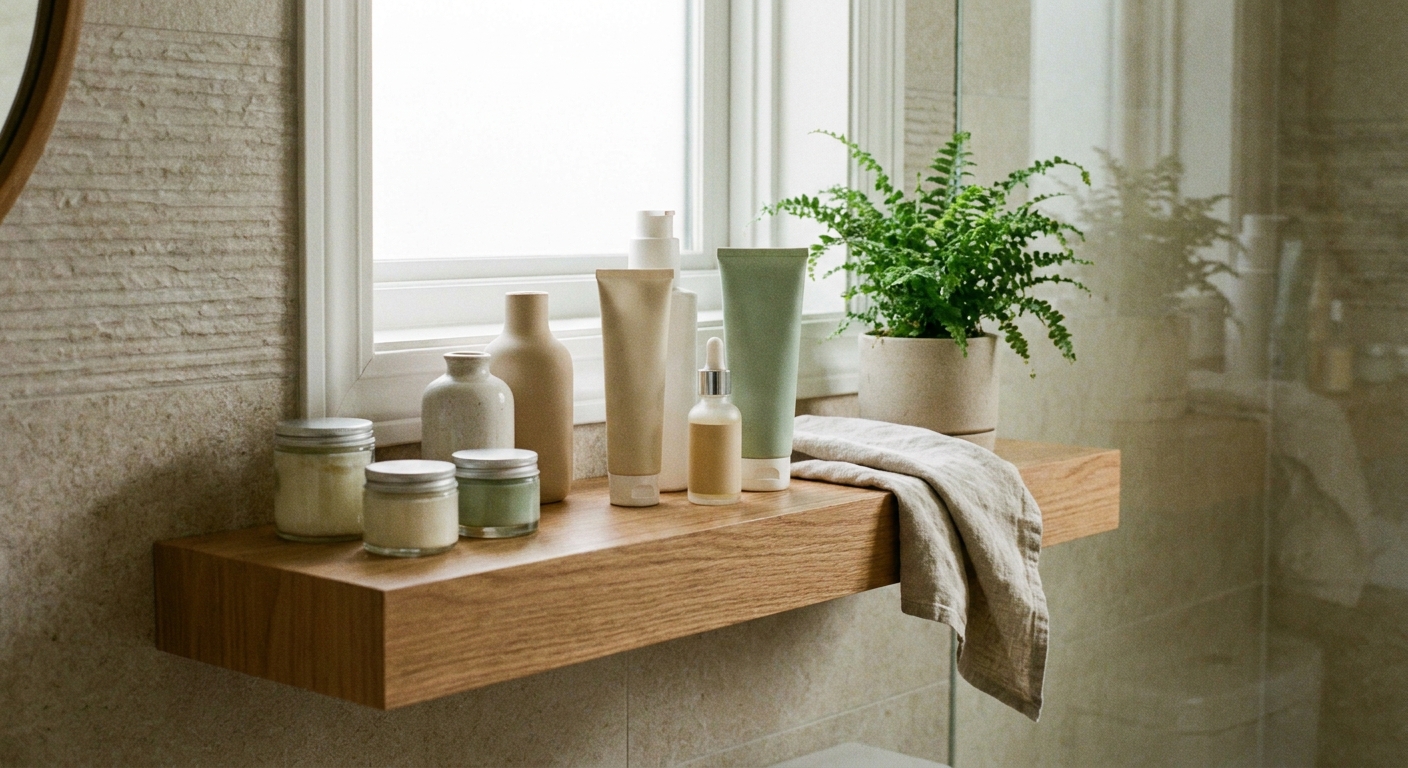
Notice what's missing from this list: anything that foams aggressively. If your cleanser produces a thick lather, it's probably too harsh for you. You want something that feels like washing your face with a lotion.
Step 2: Moisturizer with Ceramides
This is the most important step in your entire routine. Not treatment. Not cleansing. Moisturizer.
Your skin barrier is made of ceramides, cholesterol, and fatty acids arranged in a lipid matrix [5]. When that matrix breaks down, moisture escapes and irritants get in. A ceramide-containing moisturizer helps rebuild what your skin has lost.
Look for products that contain:
- Ceramides (ceramide NP, AP, or EOP)
- Hyaluronic acid (draws water into the skin)
- Niacinamide (anti-inflammatory, supports barrier function)
- Glycerin (humectant, very well tolerated)
Products that work well:
- CeraVe Moisturizing Cream (the one in the tub). Rich without being greasy. Contains three types of ceramides.
- Vanicream Daily Facial Moisturizer. Lightweight, barrier-supportive, minimal ingredients.
- La Roche-Posay Cicaplast Baume B5. For when your skin is really angry. This is thicker and contains panthenol (vitamin B5) and madecassoside for repair.
Apply on damp skin. This traps more moisture. Don't wait for your face to air-dry after cleansing.
Step 3: Sunscreen
Just as important for dry/sensitive skin as for oily skin, but you need to choose differently. Avoid chemical-only sunscreens if your skin is reactive. Chemical UV filters like oxybenzone and avobenzone can sting on compromised skin [6].
Better options:
- Mineral sunscreens with zinc oxide or titanium dioxide. These sit on top of the skin rather than being absorbed, and they rarely cause irritation.
- EltaMD UV Physical or La Roche-Posay Anthelios Mineral are both good choices.
- If the white cast bothers you, tinted mineral sunscreens blend better on most skin tones.
Night
Step 1: Gentle Cleanser
Same gentle cleanser as morning. One pump, massage for 30-60 seconds, rinse with lukewarm water.
If you wore sunscreen or makeup during the day, consider double cleansing: first with a cleansing oil or micellar water (Bioderma Sensibio is the gold standard for sensitive skin), then with your regular cleanser. This removes everything without aggressive rubbing.
Step 2: Treatment (Low and Slow)
Once your barrier feels stable (Phase 2), introduce ONE active:
Option A: Azelaic acid (10-15%). This is my top recommendation for dry, sensitive, acne-prone skin. Azelaic acid is anti-inflammatory, antibacterial, and helps with hyperpigmentation, all while being much gentler than benzoyl peroxide or retinoids [7]. The Ordinary and Paula's Choice both make affordable options. Start every other night.
Option B: Adapalene 0.1% (Differin), buffered. Apply your moisturizer first. Wait 10-15 minutes. Then apply a pea-sized amount of adapalene over the moisturizer. This "buffering" technique reduces irritation significantly without eliminating the retinoid's effectiveness [8]. Start twice a week and gradually increase.
Option C: Low-concentration salicylic acid (0.5%). Full-strength 2% salicylic acid may be too much. Look for products with 0.5% or use a 2% product only on specific spots rather than your whole face.
Do not start two actives at the same time. If you introduce azelaic acid and adapalene simultaneously and your skin freaks out, you won't know which one caused it. One at a time, spaced at least 2-3 weeks apart.
Step 3: Rich Moisturizer
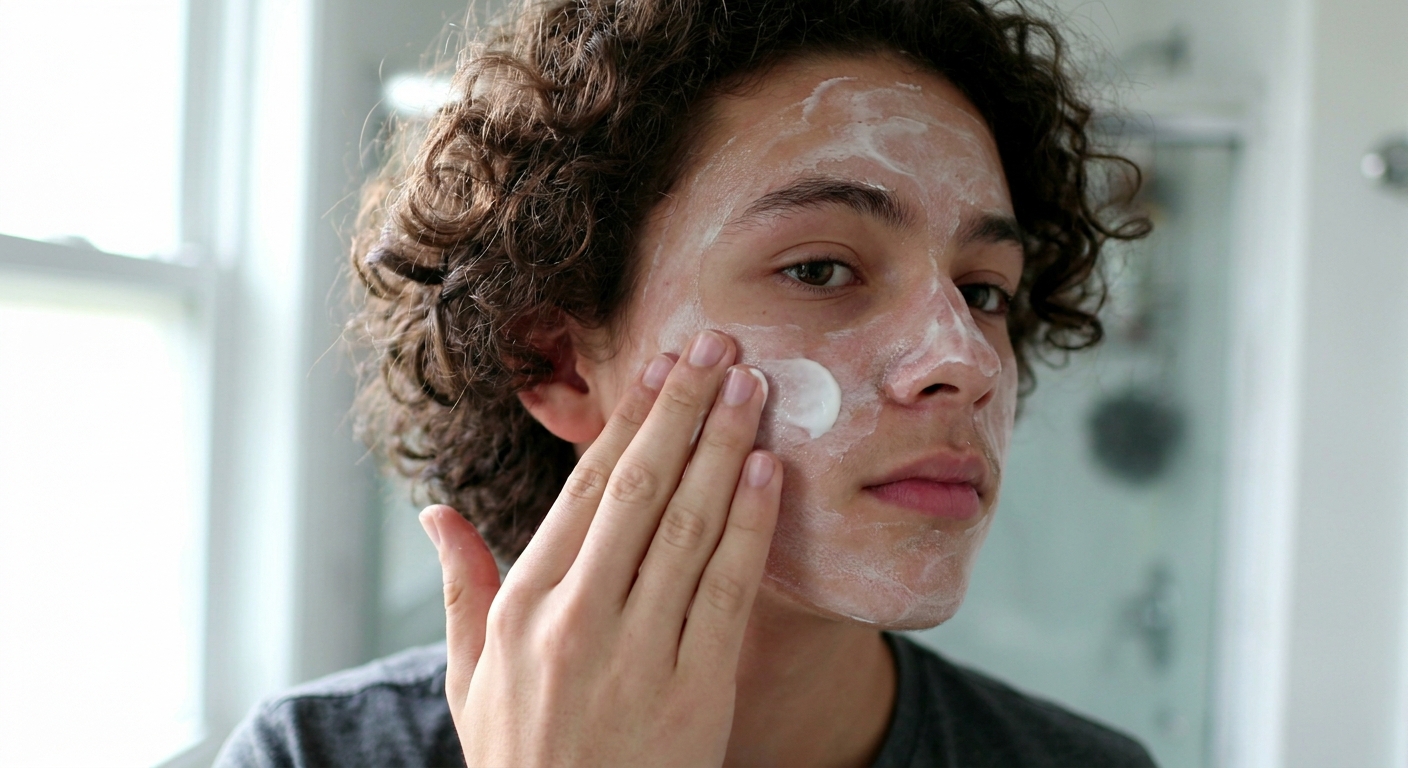
Nighttime moisturizer can and should be richer than your morning one. Your skin does most of its repair work while you sleep, and a thicker moisturizer helps seal in hydration.
The CeraVe Moisturizing Cream works well here. If you want something even more occlusive, layer it with a few drops of squalane oil first. Squalane is non-comedogenic and mimics your skin's natural sebum composition.
The Slug Method: For When Everything Hurts
If your skin is so dry and damaged that even gentle moisturizer stings, try slugging. It's exactly what it sounds like.
- Cleanse gently.
- Apply your moisturizer to damp skin.
- Seal everything in with a thin layer of plain petroleum jelly (Vaseline, Aquaphor, or CeraVe Healing Ointment) over your entire face.
Petroleum jelly is the most effective occlusive ingredient known. It reduces transepidermal water loss by over 98% [9]. And despite what you might assume, it's non-comedogenic. It doesn't penetrate into pores. It sits on top and forms a physical barrier that locks moisture in and keeps irritants out.
Do this for 3-5 nights when your barrier is at its worst. It looks ridiculous. Your pillowcase will need washing. But it works, and dermatologists have been recommending it for decades.
Important caveat: don't slug on top of active ingredients like retinoids or acids. The occlusive seal can increase penetration and make irritation worse. Slug over plain moisturizer only.
Ingredients to Avoid
Read your labels. These show up in products marketed to acne-prone skin but are bad news for dry or sensitive types:
- Sodium lauryl sulfate (SLS) in cleansers
- Denatured alcohol (alcohol denat.) in toners
- Menthol, camphor, or eucalyptus in "cooling" products. They feel refreshing but cause irritation.
- Fragrance/parfum. One of the most common causes of contact dermatitis [10]. Choose fragrance-free (not "unscented," which can still contain masking fragrances).
- Witch hazel. Often recommended for acne but contains tannins that can dry and irritate sensitive skin.
What About Diet and Lifestyle?
There's moderate evidence that high-glycemic diets (lots of sugar, white bread, processed carbs) correlate with acne severity [1]. Dairy, particularly skim milk, has also been linked to acne in some studies, though the evidence is less consistent.
For dry and sensitive skin specifically, hydration matters. Drink water. Use a humidifier in dry climates or during winter. Avoid long, hot showers (lukewarm and under 10 minutes). Change your pillowcase at least twice a week.
When to See a Dermatologist
If your skin is persistently red, flaking, and breaking out despite 8-12 weeks of gentle care, you may have a condition beyond typical acne. Rosacea, seborrheic dermatitis, and perioral dermatitis can all look like acne but require different treatment. A dermatologist can distinguish between these conditions and prescribe appropriate treatment, which might include prescription azelaic acid at 15% or higher, low-dose doxycycline for its anti-inflammatory properties, or other options that aren't available over the counter.
Don't tough it out for months if things aren't improving. Early treatment prevents scarring.
Bottom Line
Dry or sensitive skin with acne needs a completely different strategy than oily skin with acne. Your barrier is your priority. Fix it first with gentle cleansers, ceramide-loaded moisturizers, and minimal irritants. Once your skin is calm and stable, introduce acne treatments at low concentrations with plenty of buffer time. This approach is slower, but it actually works instead of trapping you in a cycle of irritation and breakouts.
Your skin isn't broken. It just needs a gentler hand than most acne advice offers.
Sources
- Melnik BC. "Linking diet to acne metabolomics, inflammation, and comedogenesis." Clin Cosmet Investig Dermatol. 2015;8:371-388. PubMed
- Thiboutot DM. "Acne: An overview of clinical research findings." Dermatol Clin. 2010;28(1):1-7. PubMed
- Bowe WP, Logan AC. "Acne vulgaris, probiotics and the gut-brain-skin axis." Gut Pathog. 2011;3(1):1. PubMed
- Ananthapadmanabhan KP, et al. "Cleansing without compromise: the impact of cleansers on the skin barrier and the technology of mild cleansing." Dermatol Ther. 2004;17(Suppl 1):16-25. PubMed
- Coderch L, et al. "Ceramides and skin function." Am J Clin Dermatol. 2003;4(2):107-129. PubMed
- Heurung AR, et al. "Adverse reactions to sunscreen agents: epidemiology, responsible irritants and allergens, clinical characteristics, and management." Dermatitis. 2014;25(6):289-326. PubMed
- Draelos ZD, et al. "Azelaic acid for the treatment of acne." J Drugs Dermatol. 2021;20(6):s3-s8.
- Yoham AL, Casadesus D. "Tretinoin." StatPearls. 2023. PubMed
- Ghadially R, et al. "Petrolatum and mineral oil in skincare." J Am Acad Dermatol. 1992;26(3 Pt 2):387-396.
- American Academy of Dermatology. "Contact dermatitis." AAD.org. Link
How we reviewed this article:
Our experts continually monitor the health and wellness space, and we update our articles when new information becomes available.
Read This Next

The Acne Glossary: Every Term You'll Encounter, Explained Simply
From adapalene to zinc, every acne and skincare term you'll run into, defined in plain language without the medical jargon.
Read More →
Micellar Water for Acne-Prone Skin: Gentle Cleanser or Lazy Shortcut?
Micellar water is fine for light cleansing days but won't remove sunscreen properly. Here's when to use it, when to skip it, and whether you need to rinse.
Read More →
How Seasonal Changes Affect Your Acne (And When to Switch Products)

Going to College with Acne: Preparing Your Skincare for Dorm Life