Acne and Exercise: How to Work Out Without Breaking Out
Acne and Exercise: How to Work Out Without Breaking Out
Let me get something out of the way first: exercise is good for your skin. I've seen people online claiming they stopped working out because it made them break out, and while I understand the frustration, quitting exercise is the wrong move. The problem isn't the exercise. The problem is what happens around the exercise.
Physical activity increases blood flow to the skin, which delivers more oxygen and nutrients to skin cells and helps carry away waste products including free radicals [1]. Regular exercise reduces cortisol levels over time, and lower cortisol means less stress-driven sebum production, which is one of the primary drivers of acne [2]. People who exercise regularly tend to have better skin overall. The research on this is pretty clear.
But gym acne is also real. Sweat, friction, bacteria on equipment, tight clothes, post-workout protein shakes... there are a lot of ways working out can trigger breakouts if you're not paying attention. So let's go through each one.
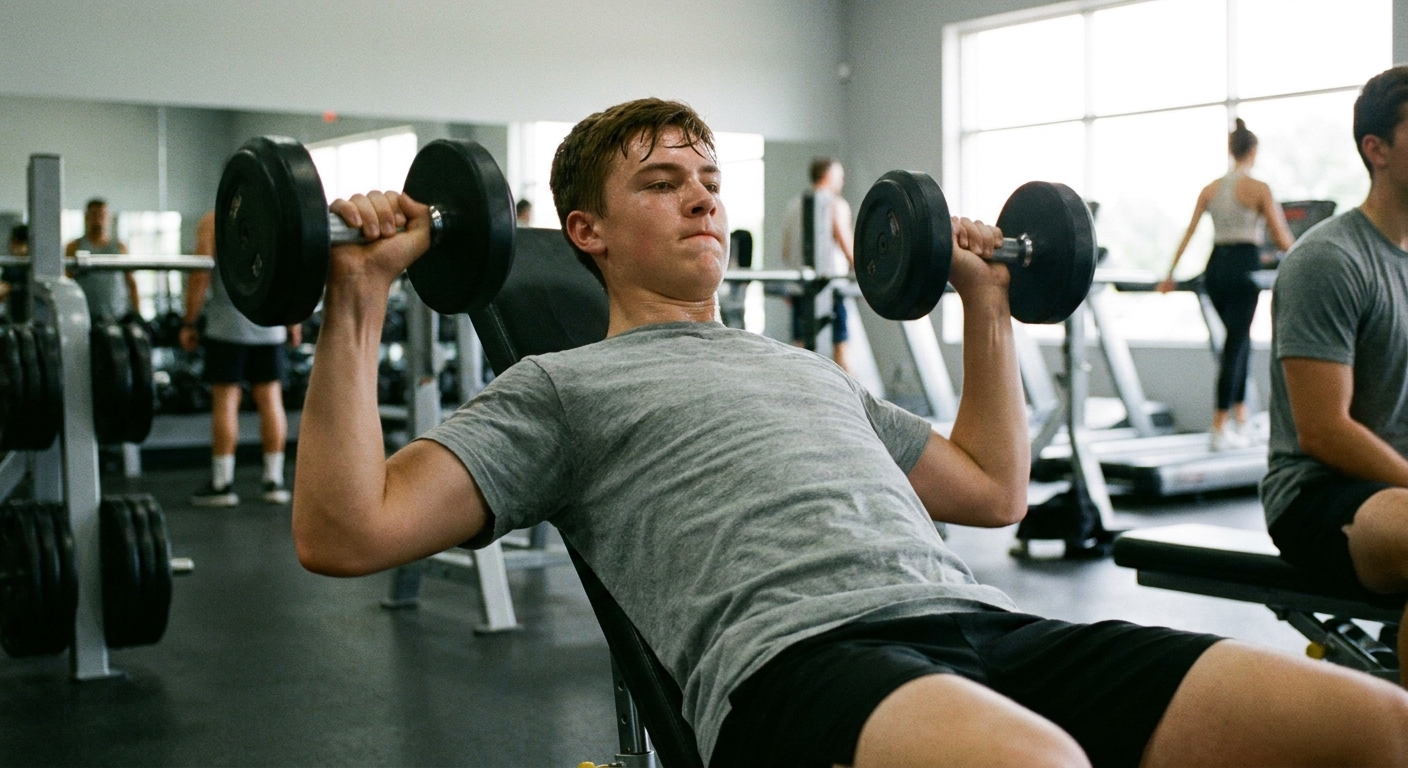
Before You Work Out
What you do in the 10 minutes before exercise matters more than most people realize.
Take off your makeup. All of it. I cannot stress this enough. When you exercise, your pores dilate to release sweat. If makeup is sitting on top of that skin, the sweat gets trapped underneath, mixing with foundation and concealer to form a paste that clogs pores from the inside [3]. This is one of the most common causes of post-workout breakouts, and it's completely preventable.
Keep micellar water wipes in your gym bag. They take 30 seconds and they remove enough surface product to let your skin breathe during exercise. A full cleanse can wait until after.
Tie your hair back and off your face. Hair products, natural scalp oils, and styling residues transfer to your skin through contact. During exercise, you sweat more and touch your face more, so that transfer accelerates. If you have bangs, pin them back. If you use leave-in conditioner or hair oil, be aware that anything near your hairline is going to migrate onto your forehead during a workout [4].
Apply a lightweight, oil-free moisturizer or nothing. Skip heavy creams before exercise. If your skin feels dry, a thin layer of something water-based is fine. But thick products before a sweat session are just asking for clogged pores.
During Your Workout
Bring your own clean towel. Gym towels get reused, shared, and tossed in bins that aren't washed as often as you'd hope. Even "clean" gym towels can harbor bacteria. Bring a fresh one from home and use it exclusively for your face. A small microfiber towel works well because it's absorbent without being abrasive [5].
Stop touching your face. I know this is annoying advice because nobody thinks they touch their face that much. But studies have tracked it: the average person touches their face 16-23 times per hour [6]. During exercise, when your hands are gripping barbells, dumbbells, pull-up bars, and machine handles that dozens of other sweaty people have touched, every face touch transfers bacteria directly to your skin.
If you need to wipe sweat, use your clean towel. Not the back of your hand. Not your shirt sleeve.
Wipe equipment before using it. Most gyms have spray bottles and paper towels or disinfectant wipes near equipment. Use them. The handles on machines and free weights are covered in a cocktail of sweat, skin cells, and bacteria from everyone who used them before you. Staphylococcus aureus and other acne-aggravating bacteria thrive on gym equipment surfaces [7]. Wiping equipment down is basic hygiene that protects both your skin and everyone else's.

Let sweat drip. This sounds counterintuitive, but constantly wiping sweat off your face during a workout creates friction that irritates skin. Sweat itself isn't the enemy. It's mostly water and salt. The problem comes when sweat sits mixed with bacteria, oils, and product residue for extended periods. During the actual workout, occasional gentle dabbing with a clean towel is fine. Aggressive rubbing with a rough towel is not.
After Your Workout: The 10-Minute Window
Post-workout cleansing timing matters more than I expected it to. The sweet spot is within 10-15 minutes of finishing exercise.
Here's why. During exercise, sweat brings salt, urea, and lactic acid to the skin surface. While you're actively sweating, these flow outward. Once you stop exercising, the sweat begins to evaporate, leaving concentrated salt and waste products sitting on your skin. These residues are irritating and create an environment where bacteria multiply rapidly [8].
Waiting an hour to shower because you want to grab food first or drive home from the gym means that bacterial soup sits on your face and body for an extended period. If you can't shower immediately, at minimum wash your face with a gentle cleanser and water at the gym sink.
How to wash post-workout:
- Use lukewarm water. Hot water feels good after exercise but strips protective oils and can worsen redness.
- Use a gentle, non-stripping cleanser. Your skin is already slightly irritated from sweat and friction. Don't hit it with harsh actives right now. Save the salicylic acid for your nighttime routine.
- Pat dry with a clean towel. Don't rub.
- Apply moisturizer once you're dry.
If you work out in the morning and have a skincare routine, your post-workout wash counts as your morning cleanse. Apply your AM products (moisturizer + SPF) after the post-workout wash. Don't wash your face twice in one morning.

Body Acne From Workout Clothes
Breakouts on your back, chest, and shoulders after working out are incredibly common and almost always related to clothing friction and trapped sweat. Dermatologists call this acne mechanica, and it's caused by the combination of heat, pressure, and friction against the skin [9].
Tight workout clothes are the main offender. Compression shirts, sports bras, fitted tank tops, and leggings trap sweat against the skin for the entire workout. The fabric creates friction with every movement, and the moisture creates a warm, humid microenvironment where bacteria love to grow.
Practical fixes:
- Change out of workout clothes immediately after exercise. Sitting in sweaty gym clothes while you run errands is a guaranteed way to get body acne. Even 20 extra minutes makes a difference.
- Wear moisture-wicking fabrics. Cotton absorbs sweat and holds it against your skin. Synthetic moisture-wicking materials pull sweat away from the body. This isn't marketing fluff from athletic brands. The difference in skin contact with moisture is measurable and relevant [10].
- Wash workout clothes after every single use. Rewearing a sweaty sports bra or shirt, even if it "doesn't smell that bad," reintroduces yesterday's bacteria against your skin. Would you reuse a washcloth you wiped your face with yesterday? Same principle.
- Use a body wash with 2% salicylic acid on breakout-prone areas. Applied in the shower after workouts, this helps keep chest and back pores clear.
The Protein Shake and Acne Connection
This one is uncomfortable for the fitness community, but the evidence is hard to ignore.
Whey protein, the most popular supplement among gym-goers, has been linked to acne in multiple studies. A 2013 study in the Journal of the European Academy of Dermatology and Venereology found that whey protein supplementation was associated with acne development in young male athletes [11]. A 2012 case series documented five young men who developed acne after starting whey protein supplementation, with improvement after stopping [12].
The proposed mechanism: whey protein increases insulin-like growth factor 1 (IGF-1) and insulin levels. Elevated IGF-1 stimulates sebaceous gland activity and increases sebum production. More sebum means more food for acne-causing bacteria means more breakouts [13].
This doesn't mean all protein supplements cause acne. Whey specifically seems to be the problem because it's a dairy derivative, and dairy has its own independent association with acne through similar hormonal pathways. Plant-based protein powders (pea, rice, hemp) haven't shown the same association in the research, though studies are limited.
If you're supplementing with whey protein and experiencing persistent acne, try switching to a plant-based alternative for 8-12 weeks and see if your skin improves. Keep everything else constant. It's worth the experiment.
Headband and Helmet Acne (Acne Mechanica)
If you play sports that require a helmet, or you wear a headband during workouts, you've probably noticed breakouts along your forehead, temples, or chin strap area. This is textbook acne mechanica.
The mechanism is straightforward: constant pressure and friction against the skin disrupts the follicular wall, trapping sebum and bacteria inside the pore. Add heat and sweat to the mix, and you have an environment optimized for inflammation [9].
Helmets are the worst offenders because they create sustained pressure over large areas, trap heat (your head can't cool through evaporation when it's enclosed), and most people don't clean the inside of their helmets regularly. Think about that for a second. You're pressing a warm, moist, bacteria-laden surface against your face for hours at a time, multiple times a week.
For helmet acne:
- Clean the inside of your helmet regularly with antibacterial wipes or a mild disinfectant spray. Let it air dry completely.
- Wear a clean, moisture-wicking skull cap or liner underneath. This creates a barrier between the helmet padding and your skin and can be washed after every use.
- Loosen the chin strap when possible during breaks in play.
- Wash your face within 10 minutes of removing the helmet.
For headband acne:
- Use fabric headbands rather than rubber or elastic ones, which create more friction.
- Wash headbands after every workout. Yes, every single time.
- If you consistently break out along the headband line, consider switching to a different way to keep hair back, like bobby pins or a loose bandana.
Sweatbands worn on the wrists can also cause forearm and wrist acne through the same mechanism, though this is less common.
What About Swimming?
Swimming deserves its own mention because it's complicated. Chlorinated pool water is mildly antibacterial, which can actually help some types of acne in the short term. But prolonged chlorine exposure strips the skin's natural oils and disrupts the acid mantle, leading to dryness, irritation, and eventually reactive breakouts [14].
If you swim regularly:
- Rinse with fresh water before entering the pool (this reduces how much chlorine your skin absorbs).
- Shower and cleanse immediately after swimming.
- Apply moisturizer right after post-swim cleansing, while skin is still slightly damp.
- Use a heavier moisturizer than you normally would on swim days because the chlorine is drying.
Ocean swimming is generally less irritating than pool swimming. Salt water has mild antibacterial properties without the barrier-disrupting effects of chlorine. Some people find their acne temporarily improves at the beach, though sun damage is obviously a concern.
Building an Exercise-Compatible Skincare Routine
If you work out in the morning, your routine looks like:
- Quick pre-workout face rinse or micellar wipe (especially if you applied nighttime products)
- Exercise
- Post-workout cleanse with gentle cleanser
- Moisturizer
- SPF
If you work out in the evening:
- Remove makeup/SPF before exercise (micellar wipe)
- Exercise
- Post-workout cleanse
- Treatment/active ingredient (salicylic acid, benzoyl peroxide, etc.)
- Moisturizer
Don't double up on cleansing. If you wash your face before your workout AND after, that's potentially three face washes in a day (morning, pre-gym, post-gym), which is too much. Pick your moments. The post-workout wash is the non-negotiable one.
Key Takeaways
- Exercise is good for your skin. Don't stop working out because of acne. Fix the surrounding habits instead.
- Remove makeup before exercise and wash your face within 10-15 minutes after. These two steps prevent most gym-related breakouts.
- Change out of sweaty clothes immediately. Sitting in workout gear after exercise is one of the biggest body acne triggers.
- Whey protein is linked to acne. If you supplement with whey and have persistent breakouts, try switching to plant-based protein for 8-12 weeks.
- Clean your helmets and headbands. Acne mechanica from sports gear is common and preventable.
The Bottom Line
Working out should make your skin better, not worse. The exercise itself does great things for circulation, stress hormones, and cellular health. The breakouts come from the stuff around the workout: dirty equipment, trapped sweat, unwashed gear, and face-touching habits. Fix those environmental factors and you can train as hard as you want without your skin paying the price.
Sources
- Ganceviciene, R., Liakou, A.I., Theodoridis, A., Makrantonaki, E., & Zouboulis, C.C. "Skin anti-aging strategies." Dermato-Endocrinology, 4(3), 308-319. 2012. PubMed.
- Chen, Y., & Lyga, J. "Brain-skin connection: stress, inflammation and skin aging." Inflammation & Allergy-Drug Targets, 13(3), 177-190. 2014. PubMed.
- Draelos, Z.D. "Cosmetics and skin care products that may cause acne." Dermatologic Clinics, 9(1), 93-96. 1991. PubMed.
- Nguyen, Q.G., & Markus, R. "Acne and pomade use." Journal of the American Academy of Dermatology, 53(5), 908-909. 2005. PubMed.
- Wainwright, C., Dawson, B., Butt, J., Guelfi, K., & Wallman, K. "Effect of towel-type on face skin temperature during and after exercise." Journal of Science and Medicine in Sport, 13(S1), e86. 2010.
- Kwok, Y.L., Gralton, J., & McLaws, M.L. "Face touching: a frequent habit that has implications for hand hygiene." American Journal of Infection Control, 43(2), 112-114. 2015. PubMed.
- Markley, J.D., Edmond, M.B., Major, Y., Bearman, G., & Stevens, M.P. "Are gym surfaces reservoirs for Staphylococcus aureus? A point prevalence survey." American Journal of Infection Control, 40(10), 1008-1009. 2012. PubMed.
- American Academy of Dermatology Association. "10 skin care habits that can worsen acne." AAD.org. Accessed 2026.
- Freiman, A., Bird, G., Metelitsa, A.I., Barankin, B., & Lauzon, G.J. "Cutaneous effects of physical activity." Sports Medicine, 34(2), 91-100. 2004. PubMed.
- Gavin, T.P. "Clothing and thermoregulation during exercise." Sports Medicine, 33(13), 941-947. 2003. PubMed.
- Simonart, T. "Acne and whey protein supplementation among bodybuilders." Dermatology, 225(3), 256-258. 2012. PubMed.
- Pontes, T.C., Fernandes-Filho, G.M., Trindade, A.S., & Sobral-Filho, J.F. "Incidence of acne vulgaris in young adult users of protein-calorie supplements in the city of Joao Pessoa." Anais Brasileiros de Dermatologia, 88(6), 907-912. 2013. PubMed.
- Melnik, B.C. "Evidence for acne-promoting effects of milk and other insulinotropic dairy products." Nestlé Nutrition Institute Workshop Series, 67, 131-145. 2011. PubMed.
- Neering, H. "Contact urticaria from chlorinated swimming pool water." Contact Dermatitis, 3(5), 279. 1977. PubMed.
How we reviewed this article:
Our experts continually monitor the health and wellness space, and we update our articles when new information becomes available.
Read This Next

When Your Sibling Has Clear Skin and You Don't: Dealing with Acne Jealousy
Watching your sibling eat the same food, skip skincare, and have perfect skin while you break out constantly is one of the most frustrating parts of having acne.
Read More →
Does Sunlight Help or Hurt Acne? The Complicated Truth
Sun might temporarily mask acne, but it makes things worse long-term. Here's why the vacation skin effect isn't what you think and why UV isn't an acne treatment.
Read More →
Instagram Filters and Acne: How Social Media Distorts Skin Reality
Filters blur texture, erase pores, and create a version of skin that doesn't exist in real life. Here's how that messes with your head when you have acne.
Read More →
Honey for Acne: Does This Kitchen Ingredient Actually Work?
Manuka honey has real antibacterial research behind it. Regular honey, not so much. Here's what works, what doesn't, and whether it's worth the sticky mess.
Read More →
Green Tea and Acne: The Drink (and Ingredient) That Might Help
EGCG in green tea has anti-inflammatory and anti-androgenic properties that could help acne-prone skin. Here's what the research says about drinking it and putting it on your face.
Read More →