Azelaic Acid for Acne: The Underrated Treatment Teens Should Know About
Medically reviewed by Dr. Rachel Torres, MD, Pediatric Dermatologist
Written by Teen Acne Solutions Editorial Team — Updated April 29, 2026
Azelaic Acid for Acne: The Underrated Treatment Teens Should Know About
I think azelaic acid is the most slept-on acne treatment available right now. Not even close.
Ask anyone what to use for acne and they'll say benzoyl peroxide or salicylic acid. Maybe adapalene if they've done some research. Almost nobody mentions azelaic acid, and that's a shame because it does things those other ingredients simply cannot do. It kills bacteria, reduces inflammation, fades post-acne dark spots, and it does all of this without bleaching your towels or wrecking sensitive skin.
If you've been bouncing between treatments that either dry you out or don't do enough, I genuinely think azelaic acid might be the answer you haven't tried yet.
What Actually Is Azelaic Acid?
Azelaic acid is a naturally occurring dicarboxylic acid. Your body actually produces small amounts of it, and it's also found in grains like wheat, rye, and barley. The version used in skincare is typically synthesized in a lab for consistency and purity, but it's the same molecule.
What makes it interesting for acne is that it works through multiple pathways at once. Most acne ingredients do one thing well. Benzoyl peroxide kills bacteria. Salicylic acid unclogs pores. Azelaic acid does both of those things and tackles inflammation and hyperpigmentation on top of it.
A 2020 review published in the Journal of Clinical and Aesthetic Dermatology found that azelaic acid demonstrates antibacterial activity against Cutibacterium acnes (the main acne-causing bacterium), anti-inflammatory effects, and the ability to normalize keratinization, which is a fancy way of saying it helps your skin cells shed properly instead of clogging your pores [1].
How It Fights Acne (The Multi-Tasker)
Here's what azelaic acid actually does on your skin:
It kills acne bacteria. Azelaic acid has direct antibacterial properties against C. acnes. Unlike benzoyl peroxide, bacteria don't seem to develop resistance to it over time, which is a significant practical advantage if you're using it for months or years [2].
It calms inflammation. If your acne is red and angry-looking, azelaic acid reduces the production of reactive oxygen species and decreases the release of pro-inflammatory cytokines. Translation: it cools down the redness and swelling that makes acne look so much worse than it might otherwise be [3].
It unclogs pores. By normalizing the way skin cells behave inside your follicles, azelaic acid prevents the buildup that turns into blackheads and whiteheads. It's not as aggressive at this as salicylic acid, but it contributes meaningfully.
It fades dark marks. This is where azelaic acid really separates itself. It inhibits tyrosinase, an enzyme your skin needs to produce melanin. That means it directly targets post-inflammatory hyperpigmentation (PIH) - those dark or brown spots that acne leaves behind, sometimes for months [4]. For a lot of teens, the marks bother them more than the active pimples.
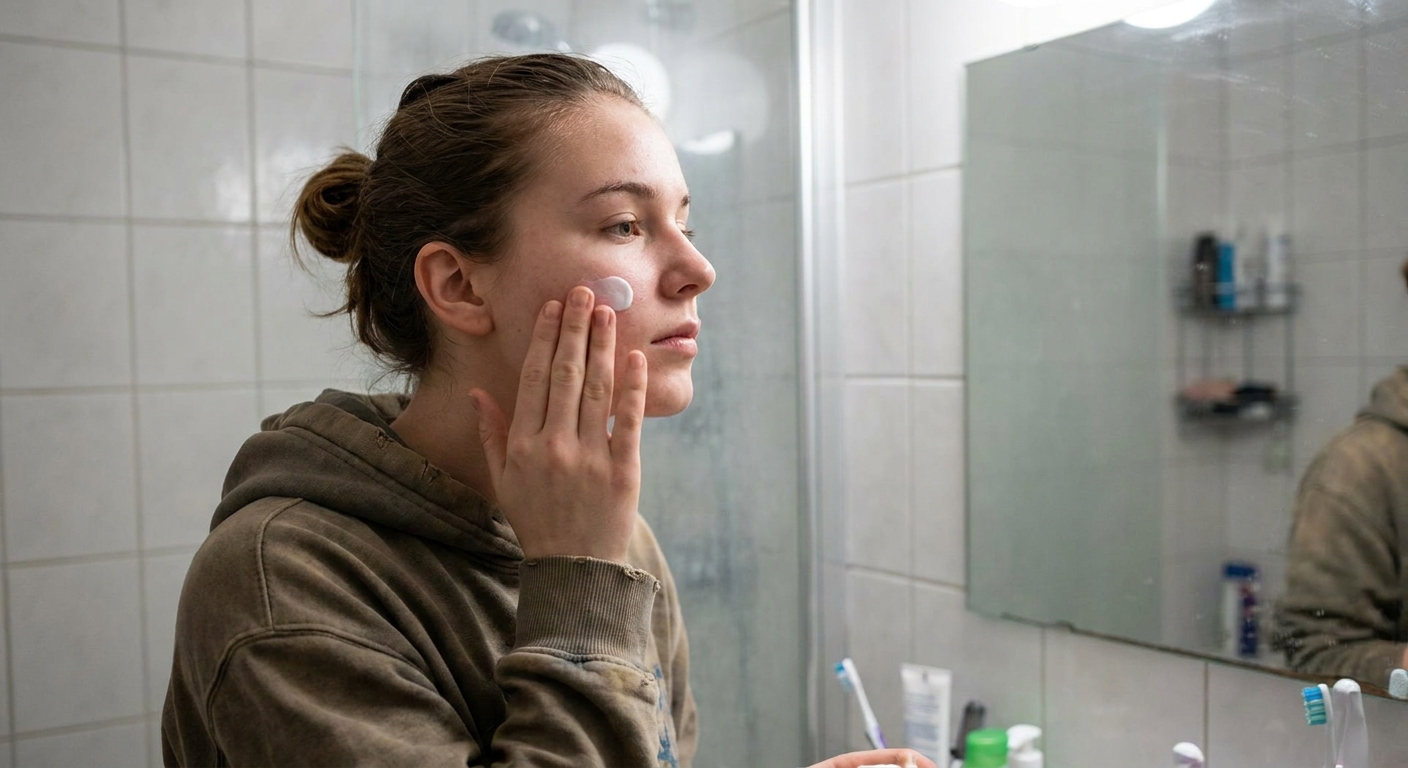
Why It's Especially Good for Darker Skin Tones
I want to spend some time on this because it matters a lot and most acne articles skip right past it.
If you have darker skin (Fitzpatrick skin types IV-VI), acne treatments can be a minefield. Benzoyl peroxide can bleach the skin around where you apply it, leaving lighter patches that look terrible and take forever to even out. Some chemical exfoliants cause irritation that triggers even more hyperpigmentation.
Azelaic acid doesn't bleach skin. It specifically targets abnormal melanocytes (the cells overproducing pigment in response to inflammation) while leaving normally pigmented skin alone [5]. This selectivity is why dermatologists who specialize in skin of color frequently recommend it as a first-line treatment.
A study in the International Journal of Dermatology showed azelaic acid was effective for acne and associated hyperpigmentation in patients with darker skin, with minimal side effects and no depigmentation of surrounding healthy skin [6]. If you've been nervous about using acne treatments because of how they might affect your skin tone, azelaic acid is one of the safest bets.
The 15% vs. 20% Question
Azelaic acid comes in different concentrations, and which one you can access depends on where you live and whether you want a prescription.
10% (OTC serums and creams): This is what you'll find at Sephora, Ulta, or online retailers. The Ordinary Azelaic Acid Suspension 10% is probably the most popular option. At this concentration, you'll still get benefits, but it's milder and you may need to be more patient with results.
15% (prescription in the US): Finacea gel is the brand name. This is the most-studied concentration for acne in clinical trials and sits in a sweet spot between tolerability and efficacy. Your doctor or a telehealth dermatologist can prescribe it. Some insurance plans cover it; others don't.
20% (prescription cream): Azelex is 20% azelaic acid cream. It's the highest concentration available and was one of the first FDA-approved azelaic acid products for acne. It's effective, but the cream base is heavier than Finacea's gel, which some people don't love if their skin is oily.
My honest opinion: if you can get 15% Finacea (or a generic 15% azelaic acid gel), start there. If that's not accessible, the OTC 10% options still work. They just take longer.
OTC Options Worth Looking At
You don't need a prescription to start with azelaic acid. Here are the most popular OTC choices:
The Ordinary Azelaic Acid Suspension 10% (~$8): Ridiculously cheap. The texture is a bit silicone-y and can pill under other products if you're not careful with application. But for the price, it's hard to argue against trying it first. Apply a thin layer and let it absorb for a minute before putting anything else on top.
Paula's Choice 10% Azelaic Acid Booster (~$36): Smoother texture than The Ordinary, plays nicer with other products, and includes salicylic acid as a supporting ingredient. More expensive, but the application experience is noticeably better.
Naturium Azelaic Acid Emulsion 10% (~$16): A newer option that's getting good feedback. Lighter texture, absorbs quickly, reasonable price. Available at Target.
Prescription Options
Finacea (15% azelaic acid gel): The gold standard. Gel texture absorbs cleanly, well-studied, effective. Generic versions are available and significantly cheaper than brand-name Finacea, which can be over $400 without insurance.
Azelex (20% azelaic acid cream): Heavier texture, works well for drier skin types. Slightly more irritating than the 15% for some people, but the efficacy is solid.
If you're interested in the prescription route, telehealth dermatology services like Curology, Apostrophe, or even your regular dermatologist can prescribe azelaic acid after a consultation. Many of them include it in their custom formulations mixed with other active ingredients.
How to Use It
Azelaic acid is pretty forgiving compared to retinoids or high-concentration benzoyl peroxide, but there's still a right way to introduce it:
Start with once daily, in the morning or evening. Most people tolerate it well from the beginning, but there's no reason to rush. Apply a thin layer to your entire face (not just spots) after cleansing and before moisturizer.
Expect some tingling. When you first start, a mild stinging or tingling sensation for the first few minutes is completely normal. It usually fades within 5-10 minutes and tends to decrease or disappear after your first week or two of use. If it's genuinely painful or your skin turns very red, that's different, and you should scale back.
Work up to twice daily. After a couple of weeks with no issues, you can add a second application. Morning and evening use is common in clinical studies and is how most dermatologists recommend using it.
Layer it with other products. Azelaic acid plays well with almost everything. You can use it alongside niacinamide, hyaluronic acid, and moisturizers without worry. It's also safe to combine with benzoyl peroxide or salicylic acid, though I'd add those one at a time to make sure your skin handles the combination.
Be patient. You should see some improvement in inflammation within the first 4 weeks, but the full effects on acne and dark marks typically take 8-12 weeks. This is normal for any acne treatment, not a sign that it isn't working.
The Rosacea Bonus
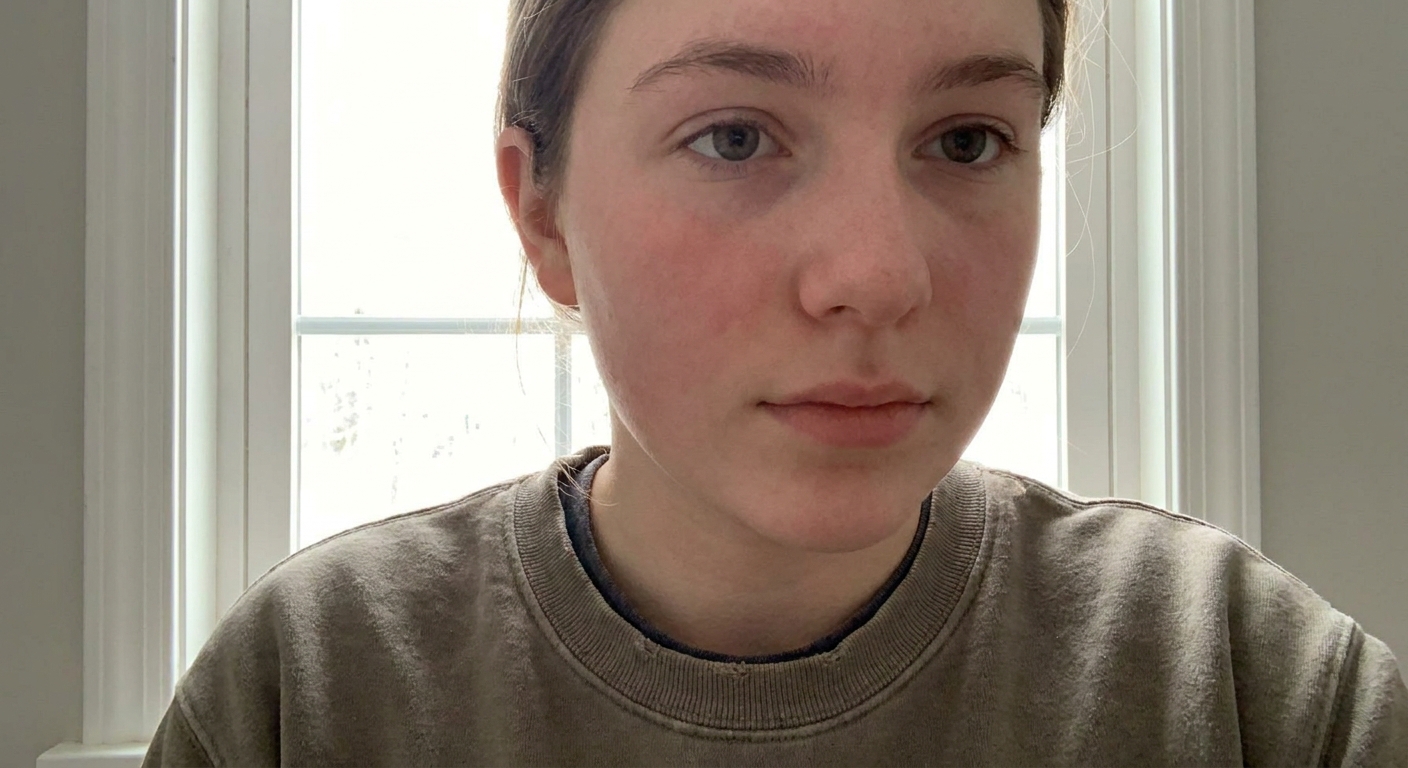
Here's something interesting: azelaic acid is also FDA-approved for treating rosacea. If you have acne and rosacea-like redness or flushing (which is more common in teens than people realize), azelaic acid addresses both conditions simultaneously [7].
Some teens get told they have acne when they actually have a combination of acne and rosacea, or papulopustular rosacea that looks like acne. If your "acne" is concentrated on your cheeks and nose, comes with persistent background redness, and doesn't respond well to typical acne treatments, bring this up with your dermatologist. Azelaic acid might be the right call for a different reason than you expected.
Side Effects (Mostly Mild)
Azelaic acid is one of the best-tolerated acne treatments out there. The most common side effects are:
- Mild burning, stinging, or tingling when first applied (very common, usually temporary)
- Slight dryness or peeling in the first week or two
- Occasional itching
Serious side effects are rare. Unlike benzoyl peroxide, it won't bleach your pillowcases. Unlike retinoids, it doesn't cause significant sun sensitivity (though you should still wear sunscreen because, well, everyone should). And unlike many acne treatments, it's considered safe during pregnancy, which is not relevant to most teens but speaks to its safety profile overall [8].
What the Research Says
The evidence for azelaic acid is solid. A Cochrane review of treatments for acne vulgaris included azelaic acid among effective topical options, noting its particular value for patients concerned about hyperpigmentation [9]. The American Academy of Dermatology includes azelaic acid in its treatment guidelines for acne, recommending it as an option for mild to moderate cases, especially when post-inflammatory hyperpigmentation is present [10].
It's not as heavily marketed as benzoyl peroxide or salicylic acid because those ingredients are cheaper to formulate and have been around in consumer products for longer. But from a clinical standpoint, azelaic acid holds its own against both.
Key Takeaways
- Azelaic acid is a multi-tasker. It kills acne bacteria, reduces inflammation, unclogs pores, and fades dark marks. Very few single ingredients do all four.
- It's one of the safest options for darker skin tones. No bleaching, no depigmentation of healthy skin, and it specifically targets post-acne dark spots.
- Start with OTC 10% if you don't have a prescription. The Ordinary at $8 is the cheapest entry point. Paula's Choice has a nicer texture at a higher price.
- Tingling when you first apply it is normal. It should be mild and temporary. Give your skin a week or two to adjust.
- Be patient. 8-12 weeks is the realistic timeline for seeing the full effect on acne and dark marks.
The Bottom Line
Azelaic acid is one of those rare ingredients that I think is genuinely being overlooked by most teens dealing with acne. The combination of antibacterial, anti-inflammatory, and anti-pigmentation properties in a single well-tolerated product is hard to find elsewhere. If benzoyl peroxide irritates you, if you're worried about dark marks, or if you want something that works quietly and reliably alongside your other products, azelaic acid deserves a real shot. Not a two-week trial. A proper 12-week commitment.
Talk to your dermatologist about whether the 15% prescription strength makes sense for you, or grab an OTC option and start today. Either way, I think you'll be glad you gave this one a chance.
Sources
- Passi S, et al. "Azelaic acid: a review of its pharmacological properties and clinical efficacy in acne and hyperpigmentary skin disorders." Journal of Clinical and Aesthetic Dermatology. 2020;13(9):36-42.
- Sieber MA, Hegel JK. "Azelaic acid: Properties and mode of action." Skin Pharmacology and Physiology. 2014;27(Suppl 1):9-17. doi:10.1159/000354888
- Mastrofrancesco A, et al. "Azelaic acid modulates the inflammatory response in normal human keratinocytes through PPARγ activation." Experimental Dermatology. 2010;19(9):813-820. doi:10.1111/j.1600-0625.2010.01107.x
- Breathnach AS. "Azelaic acid: potential as a general antitumoural agent." Medical Hypotheses. 1999;52(3):221-226. doi:10.1054/mehy.1997.0647
- Fitton A, Goa KL. "Azelaic acid: a review of its pharmacological properties and therapeutic efficacy in acne and hyperpigmentary skin disorders." Drugs. 1991;41(5):780-798. doi:10.2165/00003495-199141050-00007
- Kakita LS, Petratos MA. "The use of azelaic acid for the treatment of acne and post-inflammatory hyperpigmentation in darker skin." International Journal of Dermatology. 1996;35(3):226-228.
- Thiboutot D, et al. "Efficacy and safety of azelaic acid (15%) gel as a new treatment for papulopustular rosacea." Journal of the American Academy of Dermatology. 2003;48(6):836-845. doi:10.1067/mjd.2003.307
- Meredith F, Ormerod AD. "The management of acne vulgaris in pregnancy." American Journal of Clinical Dermatology. 2013;14(5):351-358.
- Zaenglein AL, et al. "Guidelines of care for the management of acne vulgaris." Journal of the American Academy of Dermatology. 2016;74(5):945-973. doi:10.1016/j.jaad.2015.12.037
- American Academy of Dermatology. "Acne: Diagnosis and Treatment." Updated 2024. https://www.aad.org/public/diseases/acne/treatment
How we reviewed this article:
Our experts continually monitor the health and wellness space, and we update our articles when new information becomes available.
Read This Next
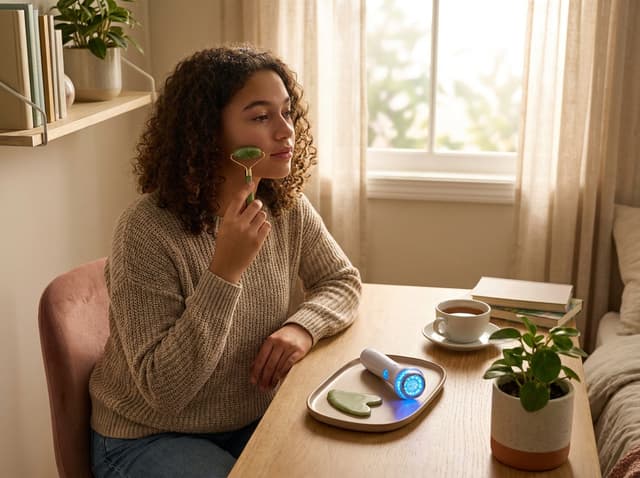
At-Home Dermatology Tools: Gua Sha, Jade Rollers, and Acne Devices
Most at-home skin tools are luxury items, not acne treatments. Here's an honest look at what works, what's harmless, and what can actually make things worse.
Read More →
Vitamin C Serum and Acne: Brightening Without Breaking Out
Ceramides and Acne: Why Your Skin Barrier Is the Foundation

Probiotics for Acne: What the Science Actually Says (So Far)
The gut-skin axis is real and the early research on probiotics for acne is interesting. But 'interesting' and 'worth spending $30/month on' aren't the same thing. Here's what we know and what we don't.
Read More →
Hormonal IUDs and Acne: Why Some Birth Control Makes Skin Worse
Levonorgestrel IUDs like Mirena and Kyleena can trigger or worsen acne because of their androgenic progestin. Here's why it happens, what to do about it, and how other birth control options compare.
Read More →