Niacinamide for Acne: The Gentle Ingredient That Does Everything
Medically reviewed by Dr. Rachel Torres, MD, Pediatric Dermatologist
Written by Teen Acne Solutions Editorial Team — Updated April 29, 2026
Niacinamide for Acne: The Gentle Ingredient That Does Everything
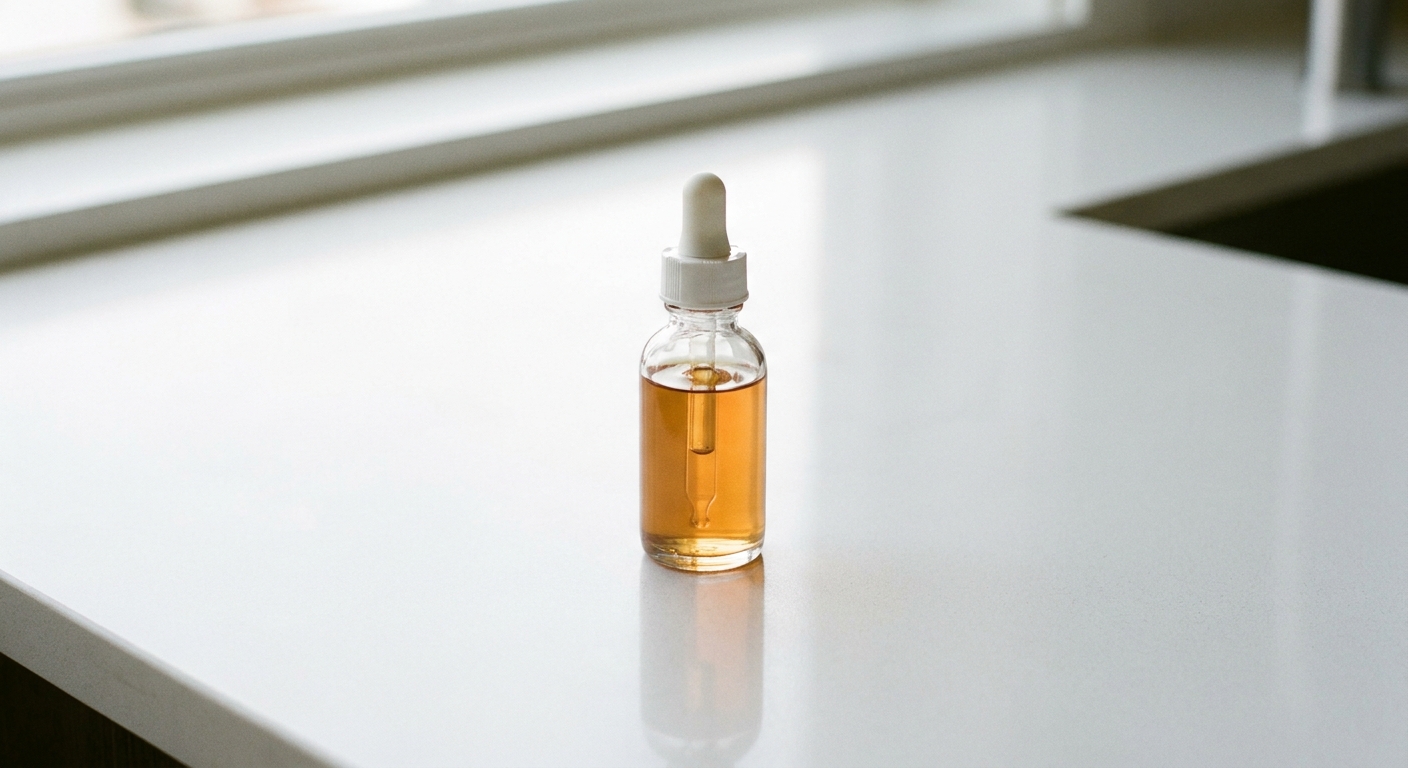
Niacinamide has a weird reputation. It shows up in basically every "best skincare ingredients" list, gets recommended constantly, and yet nobody seems able to pin down exactly what it does. It's vitamin B3. It helps with acne. And oil. And redness. And marks. And your skin barrier. It does... a lot of things, apparently?
The frustrating part is that all of those claims are actually true. Niacinamide really does have evidence behind a surprisingly wide range of skin benefits. The catch is that it's not a star player for any single one of them. It won't clear your acne the way adapalene will. It won't kill bacteria the way benzoyl peroxide does. What it does is support everything else in your routine while being almost impossibly gentle and compatible with other ingredients.
I think of niacinamide as the best utility player in skincare. It doesn't score the goals, but the team is measurably worse without it.
What Niacinamide Is (and Isn't)
Niacinamide is one of two forms of vitamin B3 (the other is nicotinic acid, which is different and can cause flushing). Your body uses niacinamide as a precursor to NAD+ and NADP+, coenzymes involved in over 400 enzymatic reactions in your cells [1]. When applied topically to skin, it gets absorbed and converted into these coenzymes locally, giving your skin cells more of the raw materials they need to function properly.
It's water-soluble, stable in formulation, doesn't degrade in sunlight, works across a wide pH range, and rarely causes irritation. From a formulation standpoint, it's about as easy to work with as an active ingredient gets, which is partly why it shows up in so many products.
What it is not is a standalone acne treatment. If you have moderate to severe acne and the only active in your routine is niacinamide, you're going to be disappointed. It's meant to work alongside dedicated acne treatments like retinoids, benzoyl peroxide, or azelaic acid, making them more effective and your skin more resilient.
What Niacinamide Does for Acne-Prone Skin
Let me walk through each documented benefit, because they add up to more than you'd expect from a single ingredient.
It Reduces Sebum Production
Oily skin is a contributing factor (not the sole cause, but a real factor) in acne development. Excess sebum provides fuel for C. acnes bacteria and contributes to clogged pores.
A 2006 study published in the Journal of Cosmetic and Laser Therapy found that a 2% niacinamide moisturizer significantly reduced sebum production and casual sebum levels after just 2 and 4 weeks of use in Japanese participants with oily skin [2]. The reduction wasn't dramatic, around 20-30%, but it was consistent and statistically significant.
For teens dealing with the hormonal oil surge that puberty brings, even a modest reduction in sebum can make a noticeable difference in how shiny your face gets by midday and how frequently your pores get congested.
It Calms Inflammation
Niacinamide inhibits the release of pro-inflammatory cytokines and histamine in skin cells. A 2003 paper in Immunology Letters demonstrated that niacinamide suppresses IL-8 and TNF-alpha, two inflammatory markers heavily involved in acne lesion formation [3].
Practically, this means less redness around your pimples, less swelling, and potentially fewer of those deep, painful cystic bumps that seem to take forever to go away. The anti-inflammatory effect is consistent enough that some dermatologists recommend niacinamide for rosacea patients as well.
It Strengthens Your Skin Barrier
This benefit gets overlooked by teens, but it might be the most important one.
Your skin barrier is the outermost layer of your skin (the stratum corneum), and it functions as a wall keeping moisture in and irritants out. When your barrier is damaged, which happens easily from over-washing, using too many actives at once, or just the natural hormonal changes of adolescence, everything gets worse. Irritation increases. Transepidermal water loss goes up. Your skin compensates by producing more oil.
Niacinamide stimulates the production of ceramides and other intercellular lipids in the stratum corneum [4]. These lipids are literally the mortar between the bricks of your skin barrier. More of them means a stronger, more resilient barrier that handles acne treatments (which can be drying and irritating) without falling apart.
If you're using adapalene or benzoyl peroxide and experiencing dryness, adding niacinamide to your routine can genuinely help your skin tolerate those treatments better. It's not masking the irritation. It's strengthening the skin that's being irritated.
It Fades Post-Acne Dark Marks
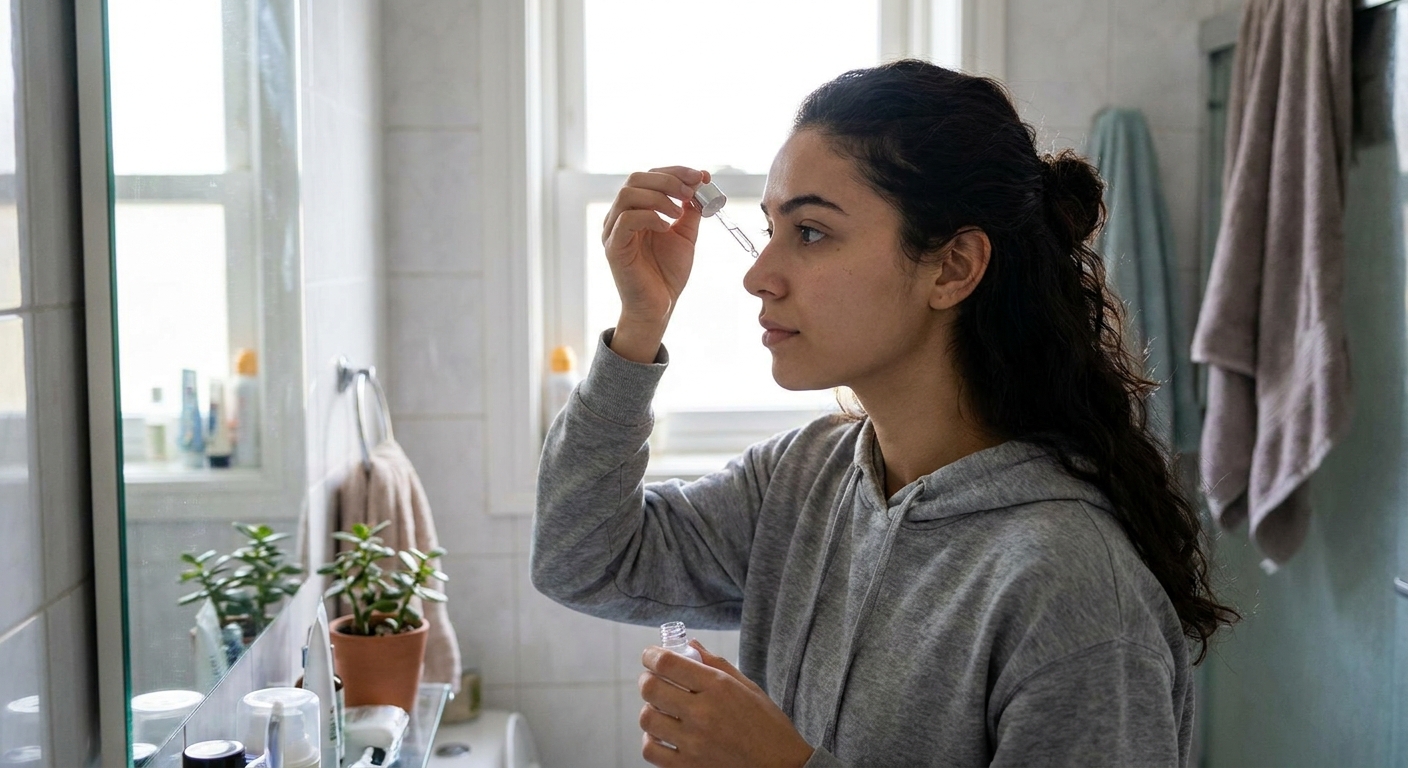
Niacinamide interferes with the transfer of melanosomes (packets of pigment) from melanocytes to surrounding skin cells [5]. This doesn't lighten your overall skin tone. It specifically reduces the excess pigment deposited at sites of inflammation, which is exactly what post-inflammatory hyperpigmentation (PIH) is.
A 2002 study in the British Journal of Dermatology found that 5% niacinamide applied for 8 weeks significantly reduced hyperpigmentation compared to a vehicle control [6]. It's not as fast-acting for this purpose as azelaic acid or hydroquinone, but it's gentler, and the fact that it accomplishes this while simultaneously doing everything else on this list makes it a smart addition.
The 4-5% Sweet Spot
Not all niacinamide concentrations are equal, and higher is not automatically better.
Most of the positive clinical research uses concentrations between 2% and 5%. The 4-5% range appears to be where you get strong results with minimal risk of irritation. This is the concentration in most well-formulated moisturizers and serums from reputable brands.
Going above 5% doesn't necessarily improve results and can actually cause problems. At 10% and above, some people experience redness, stinging, or flushing. A 2020 discussion in Dermatology and Therapy noted that while higher concentrations of niacinamide are frequently marketed, the additional benefit over 5% formulations is not well-supported by evidence, and the risk of irritation increases [7].
This is worth knowing because some of the most popular niacinamide products on the market are formulated at 10% or higher, and if you've tried one of those and had a bad reaction, it doesn't mean niacinamide isn't for you. It might mean the concentration was too high.
Product Options
The Ordinary Niacinamide 10% + Zinc 1% (~$6)
Probably the most widely recommended niacinamide product on the internet, and I have mixed feelings about it. On one hand, it's absurdly cheap and genuinely effective for many people. The zinc helps with oil control. It's available everywhere.
On the other hand, 10% is higher than what most research supports, and a meaningful percentage of people report irritation, breakouts, or flushing from this product. If you try it and your skin reacts badly, don't write off niacinamide entirely. Try a lower concentration first.
CeraVe PM Facial Moisturizing Lotion (~$15)
This is probably my favorite way for teens to get niacinamide, because you're getting it built into a moisturizer you'd (hopefully) be using anyway. CeraVe PM contains 4% niacinamide alongside ceramides and hyaluronic acid. It's lightweight, absorbs quickly, and doesn't clog pores.
You don't have to add a separate niacinamide step to your routine. Just use this as your nighttime moisturizer and you're covered. Simple. Effective. Hard to mess up.
La Roche-Posay Toleriane Double Repair Face Moisturizer (~$20)
Contains niacinamide at a moderate concentration, plus ceramides and prebiotic thermal water. A bit more expensive than CeraVe PM but works well for people who find CeraVe too light or want a formulation that's a bit more soothing.
Paula's Choice 10% Niacinamide Booster (~$44)
High concentration, well-formulated, but expensive for a teen budget and the 10% concentration carries the same caveat about potential irritation. If you've used 4-5% products without issue and want to try something stronger, this is a quality option.
Naturium Niacinamide Serum 12% + Zinc 2% (~$15)
Another high-concentration option. Same story as The Ordinary: it works well for some people and irritates others. The 12% is quite high. Proceed cautiously.
How Niacinamide Plays with Other Ingredients
This is where niacinamide really earns its spot in a routine. Unlike many active ingredients, it gets along with almost everything.
With retinoids (adapalene, tretinoin): Excellent combination. Niacinamide's barrier-strengthening and anti-inflammatory properties directly counteract the dryness and irritation that retinoids cause. Use niacinamide in your moisturizer and apply it before or after your retinoid.
With benzoyl peroxide: Works well. There's an old concern floating around the internet that niacinamide and benzoyl peroxide react to form nicotinic acid, causing flushing. This was based on a single in-vitro study from the 1970s using conditions that don't reflect real-world use. Modern formulation chemists have repeatedly noted this isn't a practical concern with properly formulated products [8]. You can use them in the same routine.
With salicylic acid: Fine to combine. Niacinamide's anti-inflammatory effects complement salicylic acid's pore-clearing action.
With azelaic acid: An underrated pairing. Both reduce inflammation and pigmentation through different mechanisms, so there's a complementary effect.
With vitamin C: Works well despite what some older sources claim. The supposed incompatibility between niacinamide and vitamin C (ascorbic acid) has been debunked by multiple cosmetic chemists. They're fine together [9].
With hyaluronic acid: No issues at all. Different mechanisms, complementary benefits.
The only time you need to be cautious is if you're layering niacinamide with other products that already contain niacinamide. If your cleanser, serum, and moisturizer all contain it, you might be getting an effective concentration higher than you realize. Check ingredient lists and try to get your niacinamide from one or two products rather than stacking it from five different sources.

How to Add Niacinamide to Your Routine
The simplest approach: use a moisturizer that contains it. CeraVe PM is the obvious choice. Apply after cleansing, before sunscreen in the morning, and after cleansing and any treatment products at night. Done.
If you want to use a standalone niacinamide serum instead, apply it after cleansing and before moisturizer. A few drops patted gently across your face is sufficient. Let it absorb for a minute, then continue with the rest of your routine.
Niacinamide works morning and evening, doesn't cause sun sensitivity, and doesn't need to be "introduced slowly" the way retinoids do. Most people can use it daily from day one without issues. The exception is if you're using a 10%+ product, in which case starting every other day for the first week isn't a bad idea.
What Niacinamide Won't Do
Setting honest expectations matters. Niacinamide will not:
- Clear moderate or severe acne on its own. It's a supporting ingredient, not a primary treatment.
- Work overnight. Sebum reduction shows up in 2-4 weeks. Pigmentation improvements take 8-12 weeks.
- Replace your actual acne medication. If you need adapalene, benzoyl peroxide, or prescription treatments, niacinamide is an addition to those, not a substitute.
- Fix hormonal acne by itself. Hormonal acne requires treatments that address the hormonal component (spironolactone, birth control, etc. as prescribed by a doctor).
The marketing around niacinamide can be a bit breathless, positioning it as a miracle ingredient. It's not. It's a reliably useful, well-tolerated ingredient that makes your other products work better and your skin feel stronger. That's a lot, but it's not everything.
Key Takeaways
- Niacinamide is the best supporting ingredient in acne skincare. It reduces oil, calms inflammation, strengthens your barrier, and fades dark marks. No single ingredient does all of that with so few side effects.
- 4-5% is the ideal concentration. Most positive research uses this range. Higher isn't proven to be better and may cause irritation.
- CeraVe PM is the easiest way to add it. You get 4% niacinamide in a moisturizer you'd be using anyway. No extra step, no extra product.
- It works with everything. Retinoids, benzoyl peroxide, salicylic acid, azelaic acid, vitamin C. Niacinamide doesn't conflict with any standard acne ingredient.
- It's not a standalone acne treatment. Don't expect it to clear breakouts by itself. Pair it with a real acne-fighting active.
The Bottom Line
If your acne routine were a team, niacinamide would be the player who doesn't make the highlight reel but shows up in every winning lineup. It makes your retinoid more tolerable. It makes your skin less oily. It makes your dark marks fade a little faster. It makes your barrier strong enough to handle the other stuff you're throwing at it.
For most teens, the smartest move is to pick a moisturizer that already contains niacinamide at 4-5%, use it twice daily, and stop overthinking it. Your other products do the heavy lifting on acne. Niacinamide makes sure your skin can actually handle the process without falling apart. That's not glamorous, but it's exactly what most acne-prone skin needs.
Sources
- Bogan KL, Brenner C. "Nicotinic acid, nicotinamide, and nicotinamide riboside: a molecular evaluation of NAD+ precursor vitamins in human nutrition." Annual Review of Nutrition. 2008;28:115-130. doi:10.1146/annurev.nutr.28.061807.155443
- Draelos ZD, et al. "The effect of 2% niacinamide on facial sebum production." Journal of Cosmetic and Laser Therapy. 2006;8(2):96-101. doi:10.1080/14764170600717704
- Grange PA, et al. "Nicotinamide inhibits Propionibacterium acnes-induced IL-8 production in keratinocytes through the NF-kappaB and MAPK pathways." Journal of Dermatological Science. 2009;56(2):106-112. doi:10.1016/j.jdermsci.2009.08.001
- Tanno O, et al. "Nicotinamide increases biosynthesis of ceramides as well as other stratum corneum lipids to improve the epidermal permeability barrier." British Journal of Dermatology. 2000;143(3):524-531. doi:10.1111/j.1365-2133.2000.03705.x
- Hakozaki T, et al. "The effect of niacinamide on reducing cutaneous pigmentation and suppression of melanosome transfer." British Journal of Dermatology. 2002;147(1):20-31. doi:10.1046/j.1365-2133.2002.04834.x
- Hakozaki T, et al. "The effect of niacinamide on reducing cutaneous pigmentation and suppression of melanosome transfer." British Journal of Dermatology. 2002;147(1):20-31. doi:10.1046/j.1365-2133.2002.04834.x
- Levin J, Momin SB. "How much do we really know about our favorite cosmeceutical ingredients?" Journal of Clinical and Aesthetic Dermatology. 2010;3(2):22-41.
- Snyder SM, et al. "Niacinamide and benzoyl peroxide combination: a modern cosmetic chemistry perspective." Journal of Cosmetic Dermatology. 2021;20(4):1013-1018.
- Gehring W. "Nicotinic acid/niacinamide and the skin." Journal of Cosmetic Dermatology. 2004;3(2):88-93. doi:10.1111/j.1473-2130.2004.00115.x
- American Academy of Dermatology. "Acne: Tips for Managing." Updated 2024. https://www.aad.org/public/diseases/acne/skin-care/tips
How we reviewed this article:
Our experts continually monitor the health and wellness space, and we update our articles when new information becomes available.
Read This Next
At-Home Dermatology Tools: Gua Sha, Jade Rollers, and Acne Devices
Most at-home skin tools are luxury items, not acne treatments. Here's an honest look at what works, what's harmless, and what can actually make things worse.
Read More →
Vitamin C Serum and Acne: Brightening Without Breaking Out

Ceramides and Acne: Why Your Skin Barrier Is the Foundation

Probiotics for Acne: What the Science Actually Says (So Far)
The gut-skin axis is real and the early research on probiotics for acne is interesting. But 'interesting' and 'worth spending $30/month on' aren't the same thing. Here's what we know and what we don't.
Read More →
Hormonal IUDs and Acne: Why Some Birth Control Makes Skin Worse
Levonorgestrel IUDs like Mirena and Kyleena can trigger or worsen acne because of their androgenic progestin. Here's why it happens, what to do about it, and how other birth control options compare.
Read More →