When to See a Dermatologist for Your Teen's Acne
Medically reviewed by Dr. Sarah Mitchell, MD, Board-Certified Dermatologist
Written by Teen Acne Solutions Team — Updated March 13, 2026
Key takeaways
- See a dermatologist if OTC products haven't worked after 3 months of consistent use.
- Cystic acne (deep, painful bumps) almost always needs prescription treatment and is most likely to scar.
- Don't ignore the emotional impact — if acne is affecting your teen's mental health, that alone is reason enough to seek professional help.
Most mild teen acne can be managed at home with a good routine and the right over-the-counter products. But there's a point where drugstore solutions aren't enough — and waiting too long can lead to scarring.
Here's how to know when it's time to call the dermatologist.
Warning Signs
1. OTC Products Aren't Working After 3 Months
If your teen has been using benzoyl peroxide or adapalene consistently for 8-12 weeks without improvement, a dermatologist can prescribe stronger options like topical retinoids, antibiotics, or combination treatments.
Key word: consistently. Using a product three times a week doesn't count. Make sure the routine is truly being followed before making the call.
2. Cystic or Nodular Acne
Deep, painful bumps under the skin that don't come to a head — these are cysts and nodules. They're caused by deep inflammation and almost always need prescription treatment. They're also the type most likely to cause permanent scars.
3. Acne Is Leaving Scars
If your teen is developing pitted or raised scars, don't wait. Early treatment can prevent further scarring, and a dermatologist can discuss options for existing scars too.
4. Acne Is Affecting Their Mental Health
This is the one parents often underestimate. If your teen is:
- Avoiding social situations because of their skin
- Feeling anxious or depressed about breakouts
- Spending excessive time trying to cover or treat their acne
Take it seriously. Acne can have a real impact on self-esteem during an already tough time. A dermatologist can fast-track treatment so your teen doesn't have to suffer longer than necessary.
5. Sudden or Severe Onset
If acne appears suddenly or severely — especially in a younger child (under 8) — it could signal a hormonal issue that needs medical attention.
What to Expect
A first dermatology visit for acne usually involves:
- Skin assessment — the doctor will examine the type and severity of acne
- Medical history — including any products they've tried
- Treatment plan — which might include prescription topicals, oral medication, or both
- Follow-up — typically 6-8 weeks later to check progress
Prescription Treatments
- Topical retinoids (tretinoin, tazarotene) — stronger versions of OTC adapalene
- Topical antibiotics (clindamycin) — usually combined with benzoyl peroxide
- Oral antibiotics (doxycycline) — for moderate inflammatory acne, typically short-term
- Hormonal treatments (spironolactone, birth control) — for hormone-driven acne in girls
- Isotretinoin (Accutane) — for severe, treatment-resistant acne. Highly effective but requires monitoring
Bottom Line
There's no medal for toughing it out. If OTC products aren't cutting it after a fair trial, or if the acne is severe, painful, or affecting your teen's wellbeing, book the appointment. Modern acne treatments are effective, and early intervention prevents scars — both physical and emotional.
How we reviewed this article:
Our experts continually monitor the health and wellness space, and we update our articles when new information becomes available.
- Zaenglein AL, et al. Guidelines of care for the management of acne vulgaris. J Am Acad Dermatol. 2016
- Tan JKL, Bhate K. A global perspective on the epidemiology of acne. Br J Dermatol. 2015
- Halvorsen JA, et al. Suicidal ideation, mental health problems, and social impairment are increased in adolescents with acne. J Invest Dermatol. 2011
Read This Next
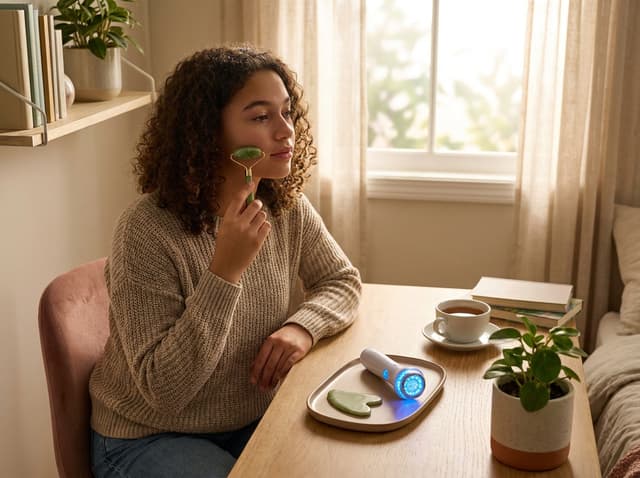
At-Home Dermatology Tools: Gua Sha, Jade Rollers, and Acne Devices
Most at-home skin tools are luxury items, not acne treatments. Here's an honest look at what works, what's harmless, and what can actually make things worse.
Read More →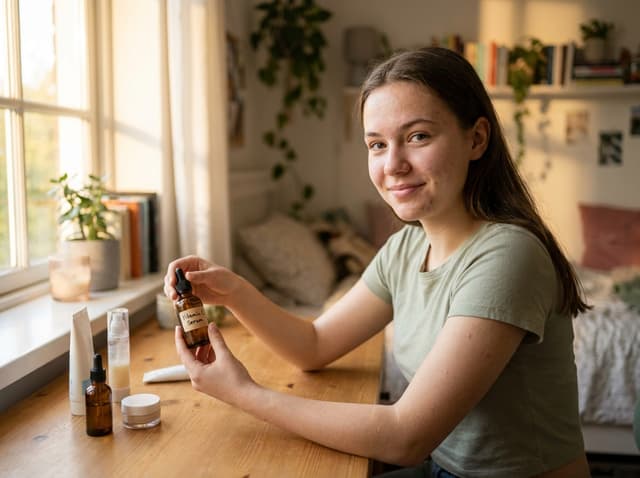
Vitamin C Serum and Acne: Brightening Without Breaking Out
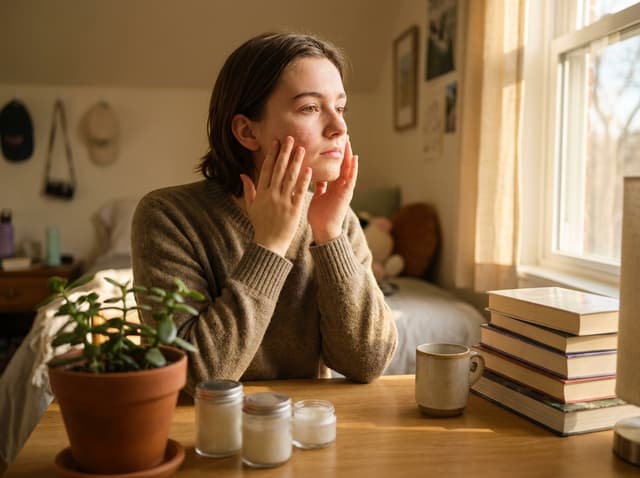
Ceramides and Acne: Why Your Skin Barrier Is the Foundation

Probiotics for Acne: What the Science Actually Says (So Far)
The gut-skin axis is real and the early research on probiotics for acne is interesting. But 'interesting' and 'worth spending $30/month on' aren't the same thing. Here's what we know and what we don't.
Read More →
Hormonal IUDs and Acne: Why Some Birth Control Makes Skin Worse
Levonorgestrel IUDs like Mirena and Kyleena can trigger or worsen acne because of their androgenic progestin. Here's why it happens, what to do about it, and how other birth control options compare.
Read More →