Does Sweating Cause Acne? What Happens to Your Pores During Exercise
Medically reviewed by Dr. Rachel Torres, MD, Pediatric Dermatologist
Written by Teen Acne Solutions Editorial Team — Updated April 19, 2026
Does Sweating Cause Acne? What Happens to Your Pores During Exercise
I hear this one all the time: "I started working out more and my acne got worse. Does sweating cause breakouts?"
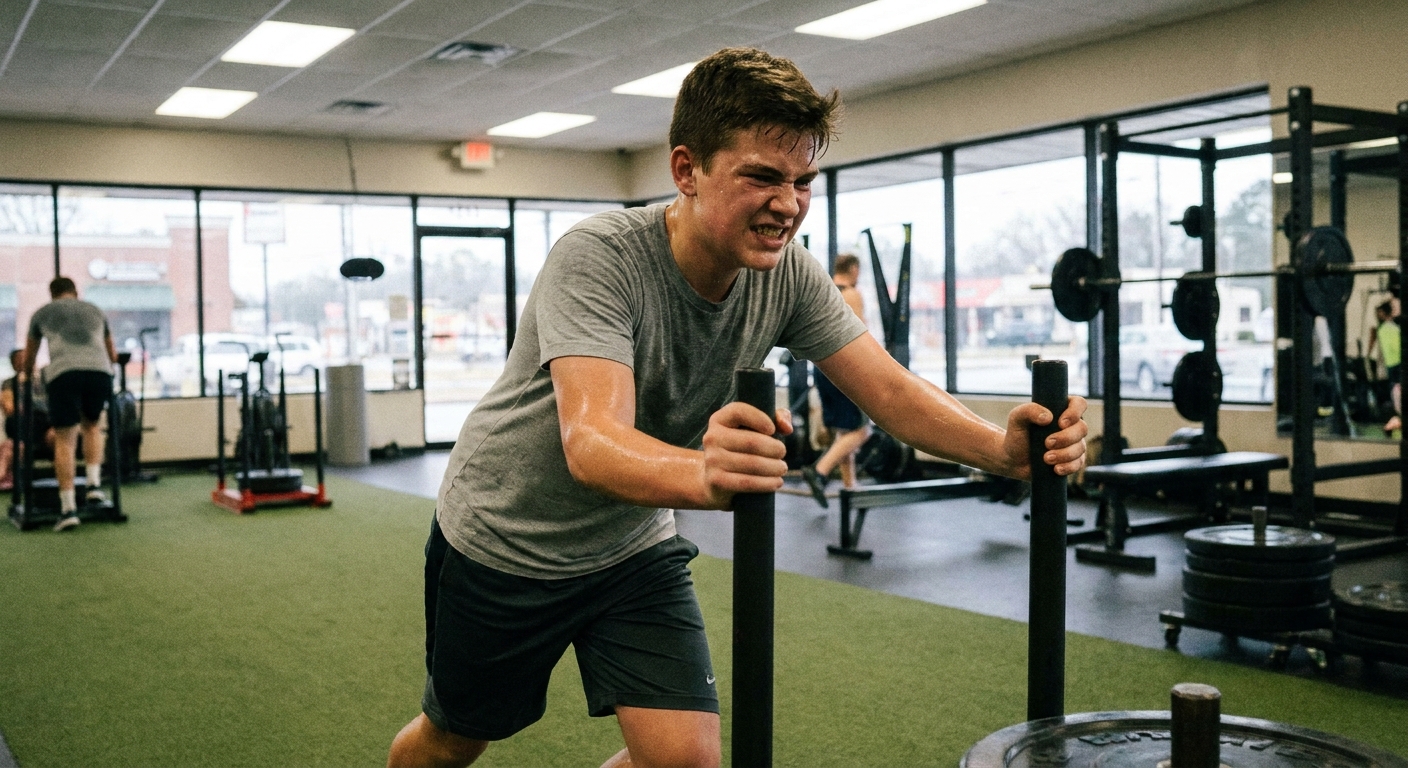
The short answer is no, sweat doesn't cause acne. But the slightly longer answer is that what happens around sweating, the friction, the bacteria, the delayed face wash, the dirty gym equipment, absolutely can. And that distinction matters, because it means you shouldn't skip exercise to save your skin. You just need to handle the aftermath differently.
What Sweat Actually Is (And Why It's Not the Problem)
Sweat is mostly water with a bit of salt, urea, and trace minerals. It comes out of sweat glands, which are completely separate from the oil-producing sebaceous glands that are responsible for acne. Different glands, different pores, different systems.
Your eccrine sweat glands cover most of your body and produce the watery sweat that cools you down. They're not connected to hair follicles, and they don't produce oil. The fluid they excrete is slightly acidic, which actually has a mild antimicrobial effect on the skin surface (Shiohara et al., 2016).
In other words, sweating itself is closer to a skin rinse than a skin contaminant. Some dermatologists have even suggested that the antimicrobial peptides in sweat, particularly dermcidin, may offer a small protective benefit against acne-causing bacteria (Schittek et al., 2001).
So why does your skin look worse after a hard workout? Because sweat is almost never the only thing happening.
The Real Culprits: Sweat + Everything Else
Sweat Sitting on the Skin
When sweat evaporates, it leaves behind salt and other residue. If you're sitting in sweaty clothes or letting dried sweat stay on your face for hours, that residue mixes with oil and dead skin cells. This combination can clog pores, especially if your skin is already oily (which most teenagers' skin is, thanks to puberty hormones).
A 2017 study in the Journal of the European Academy of Dermatology and Venereology found that the problem isn't the sweating itself but the prolonged contact of sweat residue with the skin surface (Boudou et al., 2017). The longer sweat sits, the more it mixes with sebum and bacteria, and the more likely it is to cause issues.
Bacteria Having a Party
Your skin is covered in bacteria. Most of it is harmless. But Cutibacterium acnes (formerly Propionibacterium acnes), the bacterium most associated with acne, thrives in warm, moist environments. When you exercise, your skin gets warm and wet. That's exactly the environment C. acnes loves (Lichtenberger et al., 2017).
The bacteria doesn't come from the sweat. It's already on your skin. But the conditions created by sweating make it easier for bacteria to multiply and colonize pores that are already producing excess oil.
Friction and Pressure (Acne Mechanica)
This one is huge and I think it gets overlooked. Acne mechanica is a specific type of acne caused by friction, pressure, and heat against the skin. It was actually first described in football players back in the 1970s, and it's extremely common in teenagers who play sports (Mills & Kligman, 1975).
Common triggers include:
- Football and hockey helmets pressed against the forehead and chin
- Headbands and sweatbands trapping sweat against the hairline
- Tight sports bras rubbing against the chest and back
- Backpack straps pressing on the shoulders
- Chin straps creating a line of breakouts along the jaw
- Yoga mats pressing against your face during certain poses
The friction irritates the follicle opening, the pressure traps oil and bacteria inside, and the heat from exercise makes everything worse. The result is a very specific pattern of breakouts that follows wherever the equipment touches your skin.
If you notice that your acne appears in a line or pattern that matches where your gear sits, acne mechanica is almost certainly a factor.
The 10-Minute Rule
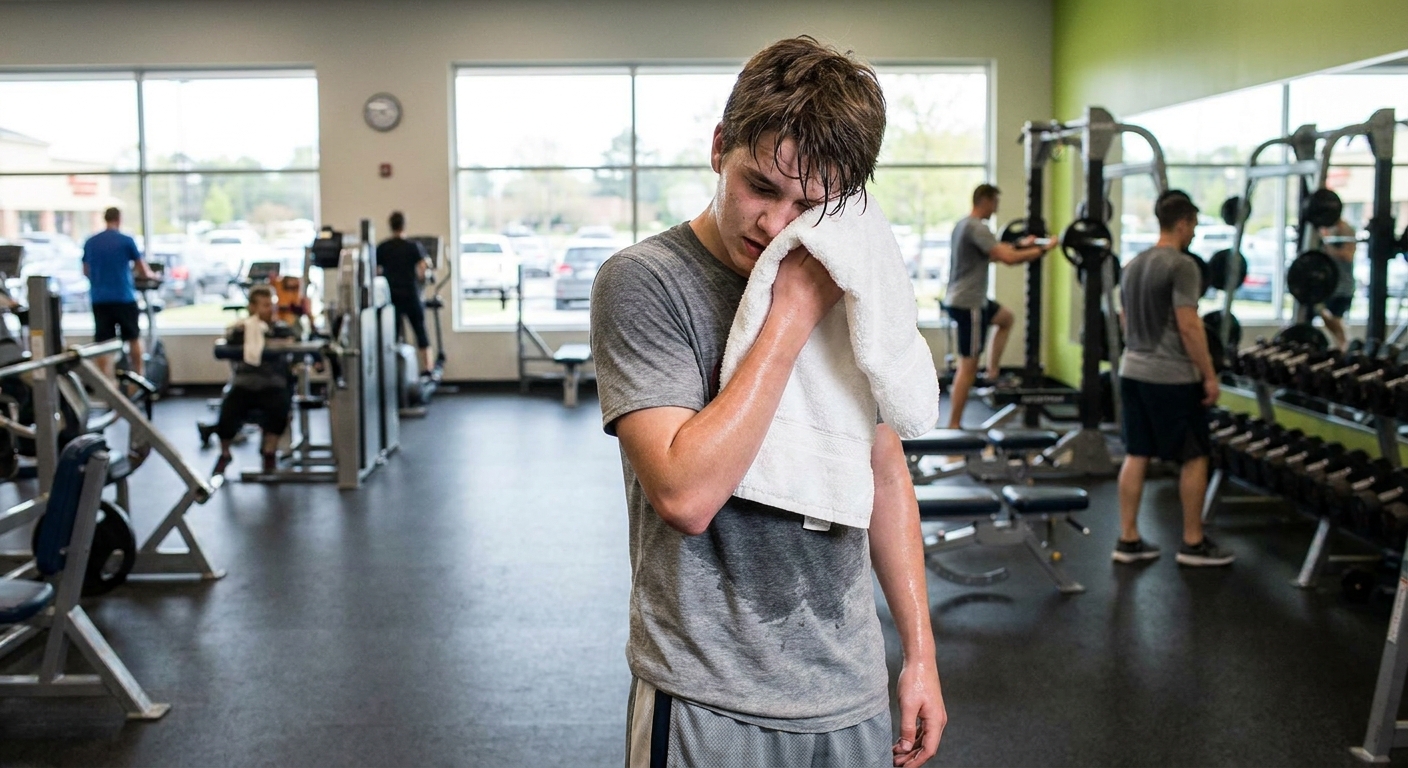
Here's the single most useful thing I can tell you: wash your face (and ideally shower) within 10 minutes of finishing your workout.
Why 10 minutes? It's not an exact scientific threshold, but it's based on how quickly the post-exercise environment on your skin goes from "a little sweaty" to "bacterial breeding ground." Dermatologist Dr. Seemal Desai, who has written extensively on exercise-related acne, recommends cleansing as soon as possible after sweating, with 10 minutes being a practical guideline (AAD, 2023).
I know this isn't always realistic. Maybe your gym shower is gross. Maybe you have back-to-back classes. If you can't shower right away, here's the priority order:
- Best option: Shower with a gentle cleanser within 10 minutes.
- Good option: Wash your face with a gentle cleanser and change into dry clothes.
- Okay option: Use a micellar water wipe or gentle cleansing wipe on your face, neck, and chest.
- Minimum: Blot sweat with a clean towel (not the one you've been wiping equipment with) and change your shirt.
The key word in all of those is "gentle." Don't attack your skin with a harsh scrub after exercising. Your skin is already a little flushed and irritated from the workout. A mild, fragrance-free cleanser is all you need.
Gym Equipment Is Disgusting (Sorry)
Let's talk about something uncomfortable: the bacterial load on gym equipment. A study conducted by FitRated (2019) found that free weights harbor 362 times more bacteria than a toilet seat. Treadmill handles weren't much better.
When you touch a dumbbell and then wipe your forehead, you're transferring bacteria directly to your face. Same with exercise mats, bench press pads, and cable machine handles.
Practical steps:
- Wipe down equipment before and after use. Most gyms have sanitizing spray or wipes available. Use them.
- Keep your hands away from your face during workouts. This is hard to do instinctively, but it matters.
- Bring your own towel for your face and a separate one for equipment. Don't cross-contaminate.
- If you do mat exercises, bring your own mat or lay a clean towel over the gym's mat.
I also want to mention phone hygiene. A lot of people scroll their phones between sets, then touch their face. Your phone screen picks up bacteria from every surface it touches. If you're going to use your phone at the gym, at least wipe it down before holding it against your cheek later.
Workout Makeup: Just Don't
I get it. The gym can feel like a social environment, and nobody wants to feel self-conscious. But wearing foundation, concealer, or any occlusive makeup while exercising is one of the most reliable ways to cause breakouts.
Makeup acts like a lid over your pores. When your body tries to sweat and produce oil during exercise, those substances get trapped under the makeup layer. The American Academy of Dermatology specifically recommends exercising with a bare, clean face (AAD, 2023).
If you absolutely can't go without some coverage, look for products labeled "non-comedogenic" and "oil-free." Tinted moisturizers with SPF are generally lighter than full foundations. But honestly, the best move is to wash off your makeup before your workout and reapply after you shower.
Sunscreen is a different story. If you're exercising outdoors, you should absolutely wear sunscreen, just pick one that's oil-free and designed for acne-prone skin.
What Kind of Exercise Matters
Not all workouts affect your skin equally.
High-intensity exercise (running, HIIT, spin class, basketball) makes you sweat more, raises your skin temperature more, and creates more of the conditions that can worsen acne. That doesn't mean you should avoid it. It means you should be more diligent about post-workout hygiene.
Swimming is interesting. Chlorinated pools can actually dry out your skin, which some people find helpful for acne. But chlorine can also irritate the skin barrier and cause dryness that triggers reactive oil production. If you swim regularly, rinse off the chlorine immediately after and moisturize.
Yoga and pilates involve less sweating but more face-to-mat contact. And if you're doing hot yoga, you're getting the worst of both worlds: a ton of sweat plus face-to-surface contact in a warm, humid room.
Outdoor exercise adds sun exposure to the equation. Some people think sun clears up their acne, and there's a small grain of truth there since UV light can temporarily reduce C. acnes bacteria. But the long-term effect is more skin damage, more inflammation, and post-acne dark spots that last longer. Wear sunscreen (Zaenglein et al., 2016).
A Pre- and Post-Workout Skin Routine
Here's what I'd recommend, step by step.
Before exercise:
- Remove makeup with a gentle cleanser or micellar water
- Apply oil-free sunscreen if exercising outdoors
- Pull hair back and off your face
- Put on clean, moisture-wicking workout clothes
During exercise:
- Blot (don't rub) sweat from your face with a clean towel
- Don't touch your face with your hands
- Wipe down equipment before use
After exercise (within 10 minutes):
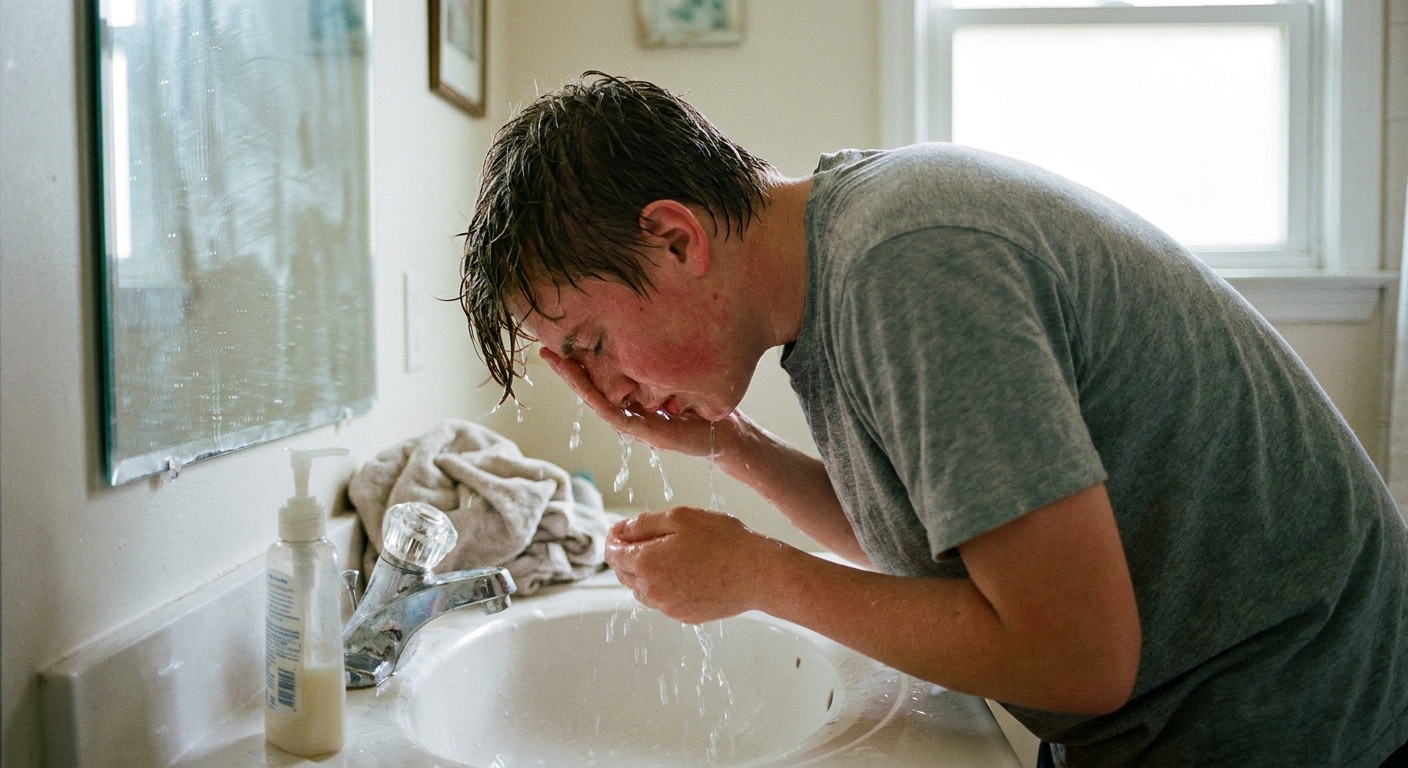
- Shower or wash your face with a gentle, fragrance-free cleanser
- Don't scrub hard; your skin is already warm and slightly inflamed
- Apply a light moisturizer if your skin feels tight
- Change into clean, dry clothes
If you can't shower:
- Use a micellar water wipe on face, neck, and chest
- Change your shirt at minimum
- Shower as soon as you can
Dealing with Acne Mechanica Specifically
If your breakouts follow the pattern of your sports equipment, you need a targeted approach beyond just washing.
- Wear moisture-wicking fabric under helmets and pads to reduce direct friction
- Clean your helmet and gear regularly. Spray the inside with an antibacterial spray and let it dry between uses.
- Apply a thin layer of salicylic acid (0.5-2%) to friction-prone areas before gearing up. This helps keep pores clear in the areas most at risk.
- Consider switching to looser headbands or ones made from smoother materials
- Talk to your dermatologist about benzoyl peroxide wash for body areas affected by acne mechanica. A 5% benzoyl peroxide body wash used before putting on gear can reduce bacterial colonization (Zaenglein et al., 2016).
Key Takeaways
- Sweat itself doesn't cause acne. It's mostly water and salt, and it comes from different glands than the ones that produce oil. The antimicrobial peptides in sweat may actually provide a small protective benefit.
- The real triggers are sweat residue, bacteria, friction, and delayed washing. These factors work together to create the conditions for breakouts.
- Acne mechanica from helmets, headbands, and sports gear is extremely common in teens and requires equipment hygiene as part of the solution.
- Wash your face within 10 minutes of finishing exercise. If you can't shower, use a micellar water wipe and change your shirt.
- Don't wear makeup during workouts. It traps sweat and oil under an occlusive layer, which is a reliable way to clog pores.
The Bottom Line
Exercise is genuinely good for your skin in the long run. It improves circulation, reduces stress hormones (which can trigger breakouts), and supports overall health. Skipping workouts to avoid acne is the wrong trade-off.
The fix is almost always about what happens after the sweat, not the sweat itself. Build a quick post-workout cleansing habit, keep your gear clean, and stop touching your face with gym hands. That combination handles most exercise-related breakouts without any expensive products or complicated routines.
Sources
- Shiohara, T., et al. (2016). Sweat as an efficient natural moisturizer. Current Problems in Dermatology, 51, 30-41. PubMed
- Schittek, B., et al. (2001). Dermcidin: a novel human antibiotic peptide secreted by sweat glands. Nature Immunology, 2(12), 1133-1137. PubMed
- Boudou, P., et al. (2017). Sweat composition and skin surface conditions in acne patients. Journal of the European Academy of Dermatology and Venereology, 31(8), 1317-1322.
- Lichtenberger, R., et al. (2017). The role of skin microbiome in acne. Clinical, Cosmetic and Investigational Dermatology, 10, 99-106.
- Mills, O.H., & Kligman, A.M. (1975). Acne mechanica. Archives of Dermatology, 111(4), 481-483. PubMed
- American Academy of Dermatology. (2023). Acne tips: Managing acne when you exercise. AAD
- Zaenglein, A.L., et al. (2016). Guidelines of care for the management of acne vulgaris. Journal of the American Academy of Dermatology, 74(5), 945-973. PubMed
- FitRated. (2019). Gym germs: How dirty is your gym equipment? FitRated
How we reviewed this article:
Our experts continually monitor the health and wellness space, and we update our articles when new information becomes available.
Read This Next
When Your Sibling Has Clear Skin and You Don't: Dealing with Acne Jealousy
Watching your sibling eat the same food, skip skincare, and have perfect skin while you break out constantly is one of the most frustrating parts of having acne.
Read More →
Does Sunlight Help or Hurt Acne? The Complicated Truth
Sun might temporarily mask acne, but it makes things worse long-term. Here's why the vacation skin effect isn't what you think and why UV isn't an acne treatment.
Read More →
Instagram Filters and Acne: How Social Media Distorts Skin Reality
Filters blur texture, erase pores, and create a version of skin that doesn't exist in real life. Here's how that messes with your head when you have acne.
Read More →
Honey for Acne: Does This Kitchen Ingredient Actually Work?
Manuka honey has real antibacterial research behind it. Regular honey, not so much. Here's what works, what doesn't, and whether it's worth the sticky mess.
Read More →
Green Tea and Acne: The Drink (and Ingredient) That Might Help
EGCG in green tea has anti-inflammatory and anti-androgenic properties that could help acne-prone skin. Here's what the research says about drinking it and putting it on your face.
Read More →