Acne and Bullying: What Every Parent and Teen Needs to Know
Medically reviewed by Dr. Rachel Torres, MD, Pediatric Dermatologist
Written by Teen Acne Solutions Editorial Team — Updated March 16, 2026
Key takeaways
- Up to 35% of teenagers with acne report being bullied specifically because of their skin
- Cyberbullying about appearance has intensified the problem — social media comments are persistent and public
- Teens who are bullied about acne are 2-3 times more likely to develop depression and anxiety
- How parents respond in the first conversation matters enormously — listen before problem-solving
- Schools have a responsibility to address appearance-based bullying, and parents can advocate for their teen
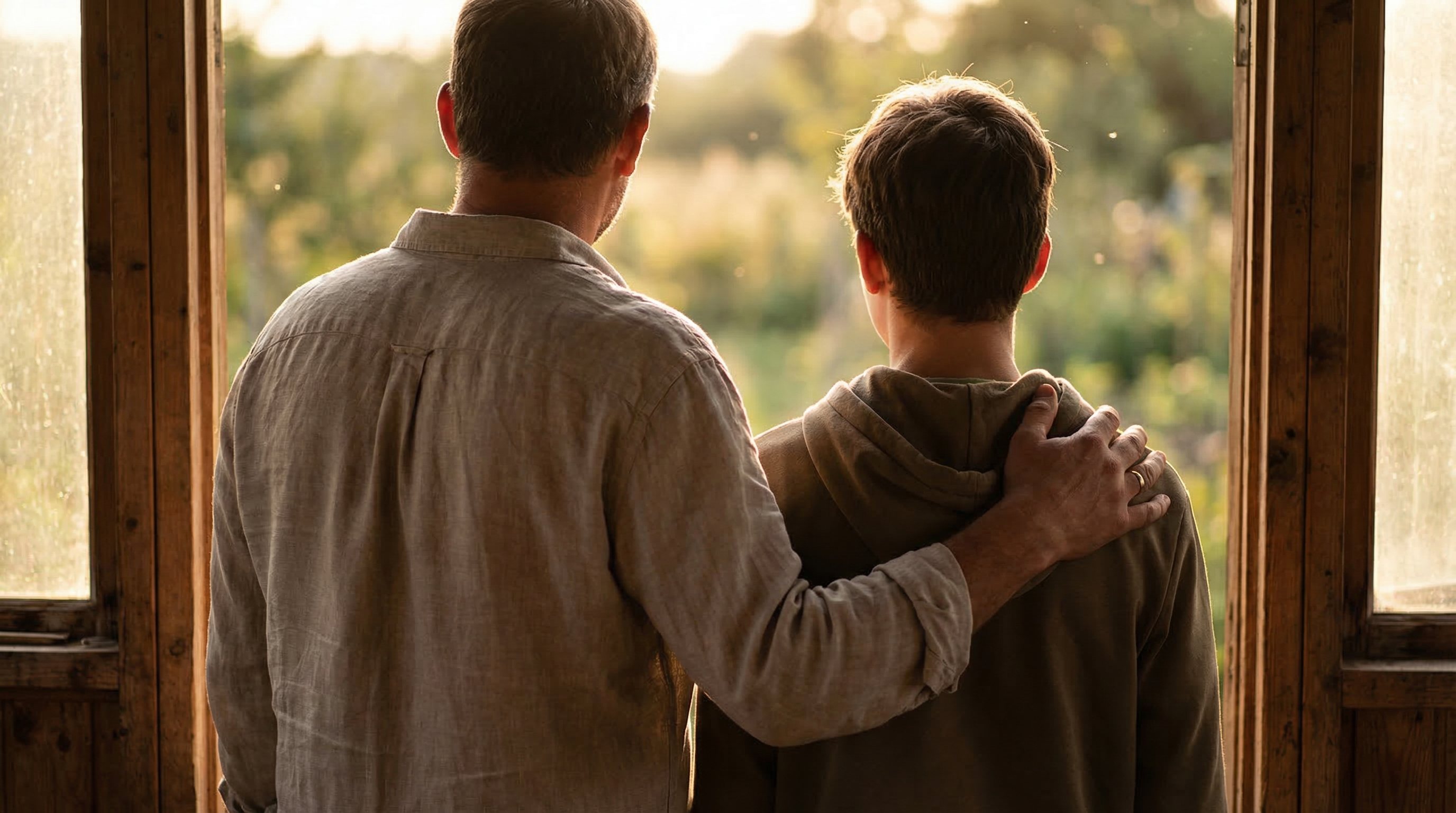
Your teenager comes home from school quieter than usual. They head straight to their room, skip dinner, and when you finally get a few words out of them, they mumble something about "a bad day." You notice they have been spending more time in front of the mirror lately, layering on concealer, or pulling their hood up before walking into school.
If your teen has visible acne, there may be more going on than a rough afternoon. Appearance-based bullying is one of the most common forms of peer harassment among adolescents, and acne — the most visible, most widespread skin condition of the teenage years — puts a target on millions of kids every single day.
This guide is for parents who suspect their teen is being teased, excluded, or outright bullied because of their skin. It is also for teens who are living through it and need real, practical ways to respond. We are going to cover how common acne bullying actually is, what it looks like in practice, the warning signs you should not ignore, and exactly what to do about it — from the first conversation at home to working with schools and knowing when professional help is needed.
How Common Is Acne Bullying
The numbers are sobering. Research published in BMC Dermatology found that people with skin conditions, including acne, frequently experience teasing and bullying tied directly to their appearance. Among teenagers specifically, studies estimate that up to 35% of those with moderate to severe acne report being bullied because of their skin.
That is roughly 1 in 3 teens with noticeable breakouts facing targeted cruelty from their peers.
And that figure likely underestimates the problem. Many adolescents never report bullying to parents or school staff. A study in the British Journal of Dermatology found that teens with acne reported significantly higher levels of psychological distress compared to their clear-skinned peers, even when the bullying was never formally documented.
The reality is that acne is incredibly common — affecting an estimated 85% of teenagers at some point — but common does not mean socially accepted. In a culture obsessed with flawless skin and filtered selfies, visible breakouts can make a teenager feel like a walking target. And too often, they are right.
Why Acne Makes Teens Especially Vulnerable
Adolescence is already a period of intense self-consciousness. The prefrontal cortex — the part of the brain responsible for emotional regulation and perspective-taking — is still developing well into the mid-twenties. This means teenagers process social rejection more intensely and have fewer internal tools to put cruel comments in perspective.
When you combine that neurological reality with a visible skin condition that peers can see, photograph, and comment on, you have a situation that can escalate from uncomfortable to damaging very quickly.
Forms of Acne-Related Bullying
Acne bullying does not always look like a scene from a movie where someone gets shoved into a locker. In fact, the most psychologically damaging forms of bullying are often subtler and harder to detect. Understanding what acne-related bullying actually looks like is the first step toward recognizing it.
Direct Verbal Teasing
This is the most obvious form: name-calling, mocking comments, or pointed "jokes" about a teen's skin. It might sound like:
- "What happened to your face?"
- "You look contagious."
- "Have you ever heard of washing your face?"
- Nicknames based on their skin (crater face, pizza face, etc.)
These comments are often delivered in front of an audience, which amplifies the humiliation. Some teens hear these remarks daily.
Social Exclusion
Sometimes bullying is not what is said but what is done — or not done. Teens with visible acne may find themselves:
- Left out of social plans or group chats
- Avoided during partner work in class
- Excluded from photos or asked to stand in the back
- Gradually dropped from friend groups without explanation
This form of bullying is particularly insidious because it is hard to point to a single incident. The teen feels the rejection but may struggle to articulate exactly what is happening.
Cyberbullying and Social Media
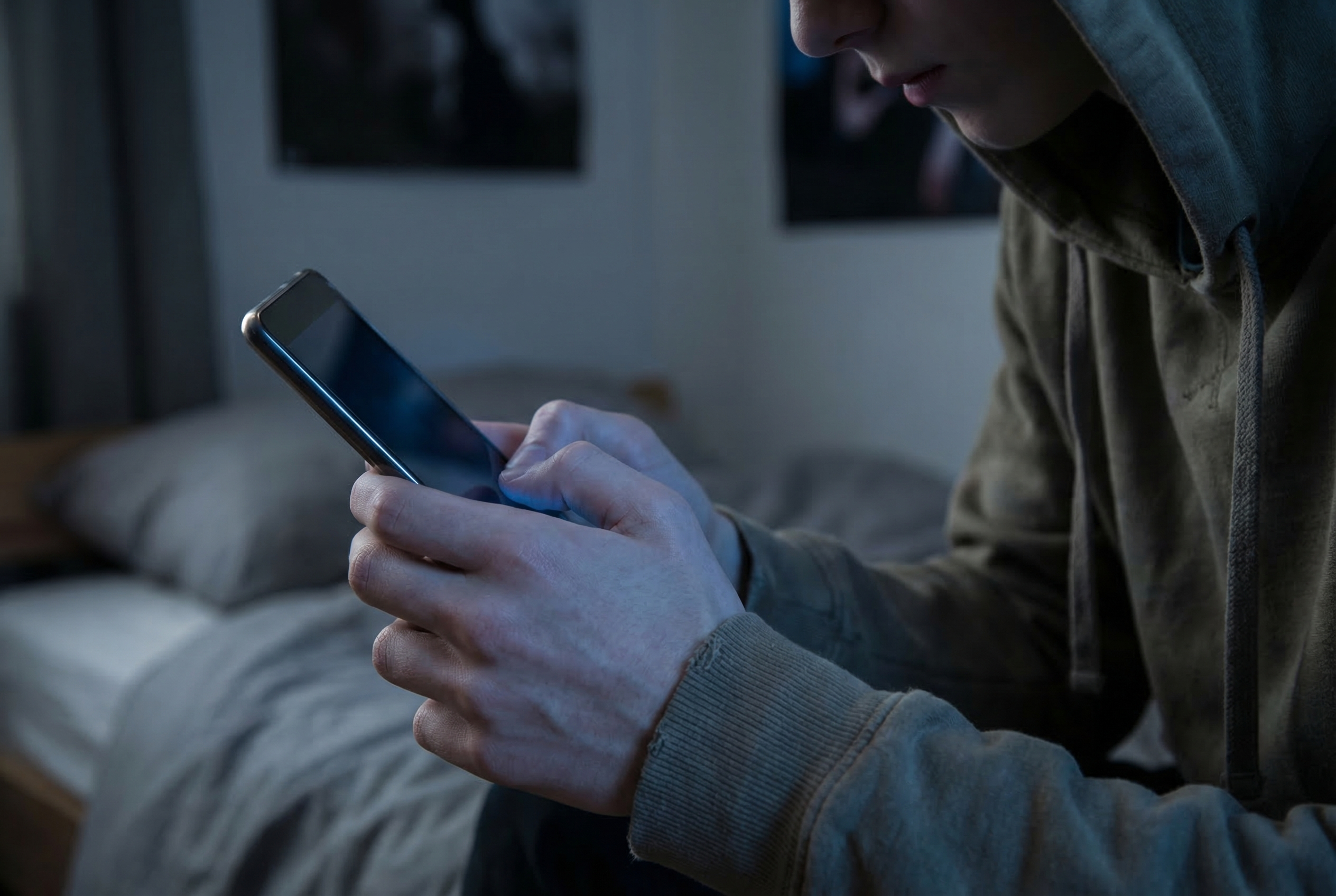
This is where acne bullying has intensified dramatically in recent years. Cyberbullying about appearance is persistent, public, and nearly impossible to escape. It can include:
- Unflattering photos posted or shared without consent
- Comments on a teen's selfies pointing out their skin
- Group chats where a teen's acne is discussed or mocked
- "Before and after" memes created using a teen's photos
- Anonymous messages on platforms like Snapchat or Instagram
Research published in the Journal of Adolescent Health found that cyberbullying can be even more damaging than traditional bullying because the content lives online indefinitely, reaches a wider audience, and can follow a teen home where they should feel safe.
Microaggressions and "Helpful" Comments
Not all hurtful comments come from enemies. Sometimes well-meaning peers, relatives, or even teachers make remarks that sting:
- "Have you tried proactiv? It really worked for my cousin."
- "You would be so pretty if your skin cleared up."
- "You should really stop eating chocolate."
- "My mom said you should drink more water."
These comments reduce a teenager to their skin condition and imply that their acne is a problem they should have solved by now. Even when the intention is kind, the impact is shame.
The Psychological Toll of Acne Bullying
The consequences of being bullied for acne go far beyond hurt feelings. The research on this is clear and alarming.
A landmark study published in the Journal of Investigative Dermatology found that adolescents with acne had significantly higher rates of suicidal ideation, depression, and anxiety compared to those without acne — and that these mental health effects were strongly linked to social experiences, including bullying and stigmatization.
Here is what the psychological toll can look like in practice:
Anxiety and hypervigilance. Teens who are bullied about their skin often develop intense anxiety about their appearance. They may spend excessive time checking mirrors, applying and reapplying makeup, or avoiding situations where their skin might be visible (bright lighting, close conversations, physical education class).
Depression and withdrawal. Persistent bullying can lead to clinical depression. Teens may lose interest in activities they once enjoyed, withdraw from friends, and express feelings of hopelessness or worthlessness — often tied directly to beliefs that they are ugly or that their skin makes them unlovable.
School avoidance. Some teens begin skipping school entirely. They may complain of headaches or stomachaches on mornings when their skin looks particularly inflamed. Research in PLOS ONE confirmed that acne-related stigma significantly predicts reduced quality of life, which includes academic and social functioning.
Social isolation. Even when a teen is not being actively excluded by others, they may begin to self-isolate as a protective measure. They turn down invitations, eat lunch alone, and avoid extracurricular activities — not because they want to, but because the risk of being teased feels too great.
Long-term damage. A study in The Lancet Psychiatry found that the effects of childhood bullying can persist well into adulthood, increasing the risk of depression, anxiety disorders, and difficulty forming trusting relationships. This is not something teens simply "grow out of."
Warning Signs Your Teen Is Being Bullied
Teenagers are not always forthcoming about what is happening at school or online. Here are the signs that something may be wrong:
- Sudden reluctance to go to school or complaints about vague physical symptoms on school days
- Declining grades or loss of interest in academics
- Withdrawal from friends or social activities they previously enjoyed
- Spending excessive time on appearance — covering skin with makeup, wearing hats or hoods indoors, avoiding eye contact
- Emotional changes — increased irritability, sadness, tearfulness, or angry outbursts that seem disproportionate
- Changes in eating or sleeping patterns
- Avoiding their phone or computer (or conversely, becoming secretive about their online activity)
- Damage to belongings or "lost" items that may have been taken
- Expressing negative beliefs about themselves — "I'm ugly," "No one likes me," "I wish I looked different"
- Requesting to change schools or asking about homeschooling
Any one of these signs warrants a gentle conversation. Multiple signs together are a strong signal that your teen needs your help.
How to Talk to Your Teen
This is the conversation that matters most, and how you handle it can either open a door or shut one. Here is how to get it right.
Start by Listening — Not Fixing
The most common mistake parents make is jumping straight to solutions. When your teen finally opens up about being teased for their acne, resist the urge to immediately suggest a new skincare product, a dermatologist appointment, or advice on how to respond.
Instead, lead with empathy:
- "That sounds really painful. I'm glad you told me."
- "How long has this been going on?"
- "How are you feeling about it?"
Your teen needs to feel heard before they can hear you. If the first thing you do is strategize, they may interpret that as confirmation that their acne is the problem — and that if they just fix their skin, the bullying will stop. That is not a message you want to send.
Do Not Minimize
Avoid phrases like:
- "Kids can be cruel — just ignore them."
- "It's not that bad, your skin will clear up eventually."
- "I had acne too, and I survived."
- "They're probably just jealous."
These responses, however well-intentioned, tell your teen that their pain is not significant enough to take seriously. The goal is validation, not perspective.
Separate the Acne from the Bullying
This is critical. Your teen may believe that if their acne goes away, the bullying will stop. While treating acne is absolutely worth pursuing for their physical and emotional health, it is important to make clear that the bullying is not their fault, regardless of what their skin looks like.
Try saying: "We can absolutely work on your skin if that's something you want. But I want you to know — no one has the right to treat you badly because of how you look. That is about them, not you."

Responding to Bullies — Scripts for Teens
One of the most empowering things you can do for your teenager is help them rehearse responses. Bullies thrive on visible distress. A calm, practiced response takes away their power.
Here are scripts your teen can memorize and adapt:
For Direct Comments About Their Skin
The Neutral Redirect:
"Yeah, I have acne. Anyway, did you finish the assignment for third period?"
This acknowledges the comment without giving it emotional weight and immediately changes the subject.
The Boundary Setter:
"I'd rather you didn't comment on my skin. Thanks."
Short, direct, and delivered without anger. This works well for repeat offenders and puts them on notice.
The Confident Shrug:
"I'm aware. It's not really something I need your input on."
This communicates that the teen is not ashamed and does not need anyone's opinion.
For "Helpful" Unsolicited Advice
The Polite Shutdown:
"I appreciate the thought, but I'm working with my dermatologist on it."
This ends the conversation without being rude and signals that the topic is handled.
For Group Situations
The Exit Line:
"Cool, I'm going to go talk to someone who has something interesting to say."
Walking away with a confident line is not retreating — it is refusing to be an audience for cruelty.
For Online Comments
The general rule is: do not engage. Responding to cyberbullies publicly often escalates the situation. Instead, teens should:
- Screenshot the comment or message (with timestamps visible)
- Block the person
- Report the content to the platform
- Show a trusted adult
Rehearse these scripts at home. Role-play different scenarios. The more natural these responses feel, the more likely your teen will actually use them when it matters.
Working with Schools
If your teen is being bullied at school, the school has a responsibility to address it. Here is how to navigate that process effectively.
Who to Contact First
Start with your teen's homeroom teacher or guidance counselor. They are the people most likely to observe daily interactions and can intervene quickly. If the situation is severe or the initial response is inadequate, escalate to the assistant principal or principal.
What to Say
Be specific and factual. Avoid vague complaints like "my child is being bullied." Instead:
- Name the behavior: "My daughter has been called [specific names] by [specific students] during [specific class or time]."
- Describe the frequency: "This has been happening approximately three times a week for the past month."
- Explain the impact: "She has missed four days of school this month and is seeing a counselor for anxiety."
- State what you want: "I am requesting a meeting to discuss a safety plan and the school's anti-bullying intervention."
Document Everything
Keep a written log of incidents with dates, times, locations, witnesses, and what was said or done. Save any digital evidence. This documentation becomes essential if you need to escalate to the district level or involve legal advocacy.
Know the Policy
Most schools and districts have formal anti-bullying policies. Request a copy. Many states have laws that require schools to investigate bullying reports within a specific timeframe. Knowing the policy gives you leverage and a clear framework for holding the school accountable.
If the School Does Not Act
If the school fails to address the bullying after you have reported it through proper channels, you have options:
- Put your concerns in writing (email creates a paper trail)
- Contact the district superintendent's office
- File a complaint with your state's department of education
- Consult an education advocate or attorney if the bullying involves discrimination or if your teen's right to a safe education is being violated
Cyberbullying: Specific Strategies for the Digital World
Cyberbullying about acne deserves its own section because it operates differently from in-person harassment and requires a distinct set of responses.
Immediate Steps When Cyberbullying Occurs
- Do not delete anything. Take screenshots of every comment, message, or post before the bully can remove it.
- Do not respond publicly. Any response becomes fuel. Silence online is a strategy, not a weakness.
- Block the person on every platform where the harassment is occurring.
- Report the content using the platform's reporting tools. Most social media platforms prohibit harassment and will remove content that violates their terms.
- Talk to a trusted adult. This is not snitching — it is self-advocacy.
Ongoing Digital Safety
- Review privacy settings together. Help your teen lock down their profiles so only approved followers can see their content.
- Discuss the permanence of online content. Anything posted can be screenshotted and shared.
- Consider a temporary social media break if the bullying is severe. Frame this as a protective choice, not a punishment.
- Monitor without surveilling. Let your teen know you are available and aware without reading every message. Trust is essential.
When Cyberbullying Crosses Legal Lines
If cyberbullying involves threats of physical harm, distribution of photos without consent, or targeted harassment campaigns, it may constitute a criminal offense depending on your jurisdiction. Consult local law enforcement or a legal professional if the situation escalates to this level.
Building Resilience and Coping Skills
While no amount of resilience makes bullying acceptable, helping your teen develop strong coping skills gives them tools to weather difficult social situations and emerge with their self-worth intact.
Reframe the Narrative
Help your teen understand that acne is a medical condition, not a character flaw. It is not caused by poor hygiene, laziness, or anything they did wrong. Approximately 85% of teenagers experience acne. The people who bully others about it are targeting something that is overwhelmingly normal.
Strengthen Their Identity Beyond Appearance
Encourage your teen to invest in activities, skills, and relationships that reinforce their sense of self outside of how they look. Whether it is sports, music, art, coding, volunteering, or any other pursuit — having a strong identity anchor makes appearance-based attacks less destabilizing.
Build a Support Network
Help your teen identify at least two or three people they trust and can turn to when things get hard. This might include a close friend, a family member, a teacher, a coach, or a counselor. No teen should feel like they are handling bullying alone.
Teach Emotional Regulation
Simple techniques like deep breathing, journaling, or even naming their emotions out loud ("I feel humiliated right now, and that is a normal response to what happened") can help teens process bullying in the moment rather than internalizing it.
Model Healthy Self-Talk
Pay attention to how you talk about your own appearance and other people's appearance at home. If your teen hears you criticize your own skin, weight, or looks, they absorb the message that appearance determines worth. Model the language you want them to use with themselves.
When to Involve a Counselor or Therapist
Not every case of acne teasing requires professional intervention, but bullying that is persistent, severe, or causing noticeable changes in your teen's mental health absolutely does. Seek professional help if your teen:
- Expresses feelings of hopelessness or says things like "I wish I weren't here" or "What's the point"
- Shows signs of self-harm or talks about hurting themselves
- Has stopped attending school or is failing classes due to avoidance
- Has become socially isolated with no close friendships
- Is experiencing panic attacks or severe anxiety
- Has developed disordered eating patterns related to a belief that diet is causing their acne
- Seems depressed for more than two weeks without improvement
A therapist who specializes in adolescent mental health or cognitive behavioral therapy (CBT) can help your teen develop coping strategies, challenge negative thought patterns, and process the emotional impact of bullying in a safe environment.
If your teen is in immediate crisis, contact the 988 Suicide and Crisis Lifeline by calling or texting 988. You can also text HOME to 741741 to reach the Crisis Text Line.
The Long-Term Impact If Bullying Goes Unaddressed
This section is not meant to frighten you — it is meant to underscore why taking action matters.
Research consistently shows that unaddressed bullying during adolescence has measurable long-term consequences. The study published in The Lancet Psychiatry found that individuals who were bullied as children had higher rates of depression, anxiety disorders, and suicidal ideation in adulthood — effects that were comparable in magnitude to those of child maltreatment.
For teens bullied specifically about their appearance, additional research points to lasting impacts on body image, self-esteem, and the ability to form intimate relationships. A study in JEADV found that late adolescents with acne reported significantly lower self-esteem and body satisfaction, with social stigma being a primary driver of those outcomes.
The good news is that intervention works. Teens who receive support — from parents who listen, schools that act, peers who stand by them, and professionals when needed — can and do recover. The protective factors are clear: strong family relationships, at least one trusted adult outside the home, a sense of belonging in at least one social group, and access to mental health support when needed.
What You Can Do Right Now
If you have read this far, you are already doing something important: educating yourself. Here is a summary of immediate next steps.
If you suspect your teen is being bullied:
- Create a calm, private moment to ask how things are going at school and online
- Listen without judgment or immediate problem-solving
- Validate their experience and make it clear the bullying is not their fault
- Ask what they want — some teens want you to intervene, others want help handling it themselves
If your teen has confirmed they are being bullied:
- Document specific incidents with dates and details
- Contact the school's guidance counselor or administration
- Help your teen rehearse confident responses
- Evaluate whether professional counseling would be beneficial
- Review and strengthen their digital privacy settings
If you are a teen reading this: You are not alone, and this is not your fault. Acne is a medical condition that affects the vast majority of teenagers. The people who bully you about it are wrong — full stop. You deserve to feel safe at school and online. Talk to an adult you trust, and know that this period of your life does not define the rest of it.
Acne is temporary. Your worth is not determined by your skin. And the people who matter — the ones worth keeping in your life — already know that.
How we reviewed this article:
Our experts continually monitor the health and wellness space, and we update our articles when new information becomes available.
- Magin P, et al. (2008). Experiences of appearance-related teasing and bullying in skin diseases. BMC Dermatology.https://pubmed.ncbi.nlm.nih.gov/18505586/
- Halvorsen JA, et al. (2011). Suicidal ideation, mental health problems, and social impairment are increased in adolescents with acne. Journal of Investigative Dermatology.https://pubmed.ncbi.nlm.nih.gov/20944653/
- Magin P, et al. (2006). The psychological and social effects of acne. Dermatologic Clinics.https://pubmed.ncbi.nlm.nih.gov/16677965/
- Smithard A, et al. (2001). Acne prevalence, knowledge about acne and psychological morbidity in mid-adolescence. British Journal of Dermatology.https://pubmed.ncbi.nlm.nih.gov/11167684/
- Davern J, O'Donnell AT. (2018). Stigma predicts health-related quality of life impairment in acne sufferers. PLOS ONE.https://pubmed.ncbi.nlm.nih.gov/30403714/
- Lereya ST, et al. (2015). Adult mental health consequences of peer bullying and maltreatment in childhood. The Lancet Psychiatry.https://pubmed.ncbi.nlm.nih.gov/26360084/
- Kowalski RM, Limber SP. (2013). Psychological, physical, and academic correlates of cyberbullying and traditional bullying. Journal of Adolescent Health.https://pubmed.ncbi.nlm.nih.gov/23790366/
- StopBullying.gov. What Is Bullying.https://www.stopbullying.gov/bullying/what-is-bullying
- American Academy of Dermatology. Acne can affect more than your skin.https://www.aad.org/public/diseases/acne/mental-health
- Dalgard FJ, et al. (2015). Self-esteem and body satisfaction among late adolescents with acne. JEADV.https://pubmed.ncbi.nlm.nih.gov/25059289/
Read This Next
When Your Sibling Has Clear Skin and You Don't: Dealing with Acne Jealousy
Watching your sibling eat the same food, skip skincare, and have perfect skin while you break out constantly is one of the most frustrating parts of having acne.
Read More →
Does Sunlight Help or Hurt Acne? The Complicated Truth
Sun might temporarily mask acne, but it makes things worse long-term. Here's why the vacation skin effect isn't what you think and why UV isn't an acne treatment.
Read More →
Instagram Filters and Acne: How Social Media Distorts Skin Reality
Filters blur texture, erase pores, and create a version of skin that doesn't exist in real life. Here's how that messes with your head when you have acne.
Read More →
Honey for Acne: Does This Kitchen Ingredient Actually Work?
Manuka honey has real antibacterial research behind it. Regular honey, not so much. Here's what works, what doesn't, and whether it's worth the sticky mess.
Read More →
Green Tea and Acne: The Drink (and Ingredient) That Might Help
EGCG in green tea has anti-inflammatory and anti-androgenic properties that could help acne-prone skin. Here's what the research says about drinking it and putting it on your face.
Read More →