Does Vaping Cause Acne? What Teens Need to Know
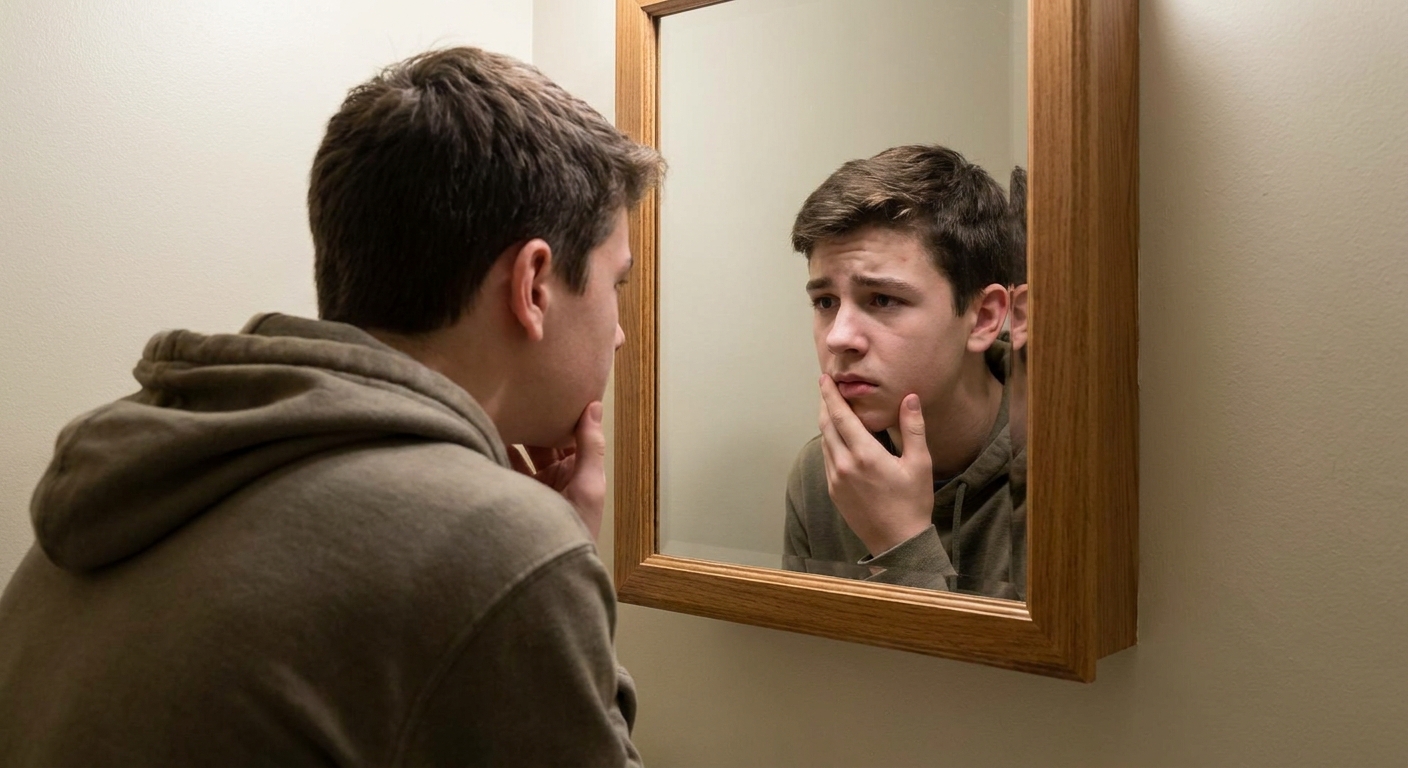
If you vape and you're dealing with acne, you've probably wondered whether the two are connected. Maybe your skin got worse after you started. Maybe a friend told you vaping causes breakouts. Maybe you Googled it at 2 AM and got a mix of Reddit speculation and clickbait articles that didn't actually answer the question.
I want to be straight with you: the direct research linking vaping to acne is thin. There aren't large-scale clinical trials where researchers gave one group of teenagers vapes and measured their breakouts over six months. That study doesn't exist, and for obvious ethical reasons, probably never will. But that doesn't mean vaping has no effect on your skin. When you break down what's in vape liquid and what those chemicals do to your body, the picture gets clearer.
What's Actually in Vape Liquid
Most e-liquids contain four main ingredients: propylene glycol, vegetable glycerin, nicotine, and flavoring chemicals. Each of these interacts with your body differently, and several of them have documented effects on skin.
Understanding what you're inhaling matters more than most vapers realize. This isn't about listing scary chemicals for shock value. It's about knowing what specific biological effects these compounds have, because some of them directly affect the same systems involved in acne.
Propylene Glycol and Skin Dehydration
Propylene glycol (PG) is a humectant, meaning it attracts and binds water. That's fine when it's in your moisturizer at 2% concentration, sitting on top of your skin. It's less fine when you're inhaling it repeatedly throughout the day.
PG is hygroscopic. It pulls moisture from surrounding tissues, including the mucous membranes in your mouth and throat. That dry mouth you get from vaping? That's PG doing its job [1]. But the dehydrating effect isn't limited to your mouth. Systemic dehydration affects your skin too.
When your skin is dehydrated, your body compensates by producing more sebum (oil) to protect the skin barrier. More sebum means more clogged pores. More clogged pores means more acne [2]. This is the same reason people with oily skin sometimes break out worse in dry winter air. Their skin overproduces oil to compensate for moisture loss.
I'm not saying one hit of a vape will dehydrate you into a breakout. But chronic, daily use? That's a sustained dehydrating stimulus your skin has to respond to.
Nicotine and Blood Flow
This is where the research gets more solid, because we have decades of data on nicotine from cigarette studies. Nicotine constricts blood vessels. That's not disputed. A 2001 study in the British Journal of Dermatology found that smoking significantly reduces blood flow to the skin, which impairs wound healing and can worsen inflammatory skin conditions [3].
Your skin needs blood flow to heal. Every pimple is essentially a tiny wound. Inflamed pores need oxygen and immune cells delivered via your bloodstream to resolve the infection and repair the tissue. When nicotine constricts those blood vessels, it slows that whole process down.
A 2019 study published in JAMA Dermatology found that e-cigarette use was associated with delayed wound healing in a pattern similar to traditional cigarettes [4]. The delivery mechanism is different, but the nicotine is the same molecule doing the same thing to your blood vessels.
There's also the cortisol angle. Nicotine stimulates cortisol release. Cortisol is a stress hormone, and elevated cortisol levels are linked to increased sebum production and acne flares [5]. So nicotine hits your skin from two directions: less blood flow to heal existing breakouts, and more oil production that can trigger new ones.
Inflammation and Immune Response
Your lungs aren't designed to inhale heated propylene glycol, glycerin vapor, and flavoring chemicals multiple times a day. Research from the University of North Carolina found that e-cigarette aerosol exposure increases inflammatory markers and oxidative stress in lung tissue [6]. That matters for acne because inflammation is systemic. When your body's inflammatory response is elevated from one source, it can show up in other areas, including your skin.
A 2020 review in the Journal of Investigative Dermatology established that systemic inflammation plays a role in acne pathogenesis beyond just local pore-level events [7]. Your body doesn't compartmentalize inflammation neatly. If your lungs are dealing with chronic low-grade irritation, your immune system is spending resources there that could be going toward resolving skin inflammation.
This is hard to study directly because most vapers are also dealing with other acne triggers (stress, diet, hormones, sleep). Isolating vaping as the sole cause of a breakout is nearly impossible in a real-world setting. But the biological mechanisms are there.
The Flavoring Problem
This one gets less attention but I think it deserves more. Vape flavorings aren't just "natural flavors" floating harmlessly in the vapor. Many contain diacetyl and acetyl propionyl, chemicals that are safe to eat but harmful to inhale [8]. Others contain cinnamaldehyde, vanillin, and various aldehydes that cause cellular toxicity when aerosolized.
What does this have to do with acne specifically? Oxidative stress. These flavoring chemicals generate free radicals when heated and inhaled, and oxidative stress is a recognized contributor to inflammatory acne. A 2015 study in Free Radical Biology and Medicine demonstrated that oxidative stress promotes the inflammatory cascade in acne by oxidizing squalene in sebum, which directly triggers comedone formation [9].
You're adding an external source of oxidative stress to a body that's already dealing with hormonal changes, school stress, and probably not enough sleep. That load stacks up.
What Vapers Report (Anecdotal but Worth Noting)
Reddit threads, skincare forums, and dermatology Q&A sites have a recurring pattern: people who started vaping notice their skin getting worse, and people who quit notice improvement. This isn't data. I know that. Anecdotes aren't evidence. But when you see the same pattern repeated across hundreds of independent reports, it at least suggests something worth paying attention to.
Common reports include:
- Skin getting oilier after starting to vape
- Breakouts concentrated around the mouth and chin (where vapor makes the most contact)
- Existing acne healing more slowly
- Skin looking dull or dehydrated
- Improvement in skin clarity within 2-4 weeks of quitting
None of this proves causation. Someone who quits vaping might also start drinking more water, sleeping better, or stressing less about their habit. But the trend is consistent enough to take seriously.
The Bigger Picture
Here's what I actually think, being honest: if you have acne and you vape, quitting will probably help your skin. I can't tell you it will definitely clear your acne, because acne has multiple causes and vaping is unlikely to be the only one. But you'd be removing a source of dehydration, a source of blood vessel constriction, a source of oxidative stress, and a source of cortisol elevation. That's four separate mechanisms that all work against clear skin.
I'm not here to lecture you about vaping. You've heard the lung health arguments. You've seen the school posters. I'm just telling you that the same biological effects that make vaping bad for your lungs also make it bad for your skin, through specific, documented pathways.
If you're spending money on skincare products to fight acne while also vaping daily, you're working against yourself. It's like trying to fill a bathtub with the drain open. The skincare might still help, but you're making it harder than it needs to be.
If You're Going to Vape Anyway
I'd rather be practical than preachy. If you're not ready to quit:
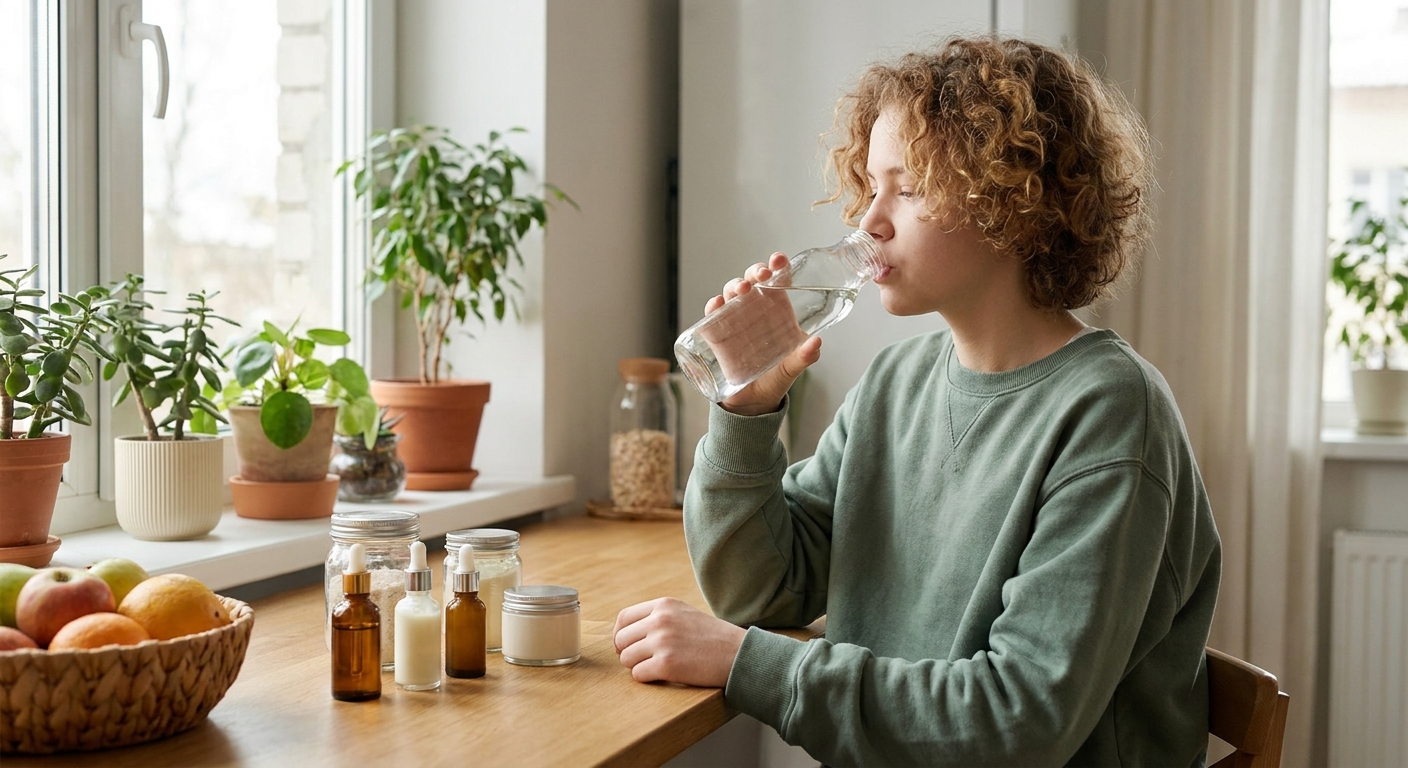
Drink more water than you think you need. PG is dehydrating, so counteract it. Your skin will show the difference.
Use a gentle, hydrating moisturizer morning and night. Look for hyaluronic acid and ceramides. Your skin barrier is dealing with extra stress.
Don't skip sunscreen. Nicotine impairs skin repair, and UV damage on top of that is a bad combination.
Pay attention to patterns. Track whether your breakouts correlate with heavier vaping days. If you notice a connection, that's useful information even if you're not ready to act on it yet.
Key Takeaways
- Direct clinical research on vaping and acne is limited, but the biological mechanisms connecting them are well-documented through studies on nicotine, propylene glycol, and oxidative stress.
- Propylene glycol dehydrates your body, which can trigger excess oil production and clogged pores.
- Nicotine constricts blood vessels and raises cortisol, both of which slow healing and increase breakouts.
- Vape flavoring chemicals create oxidative stress, a recognized trigger for inflammatory acne.
- Quitting or reducing vaping removes multiple acne-aggravating factors simultaneously, which is why many people report skin improvement after stopping.
Bottom Line
The question "does vaping cause acne?" doesn't have a neat yes-or-no answer. The honest answer is: probably not by itself, but it creates conditions that make acne worse and harder to treat. The ingredients in vape liquid affect your skin through real biological pathways. Dehydration, reduced blood flow, elevated cortisol, increased oxidative stress. These aren't theoretical. They're documented.
If you're dealing with stubborn acne and you vape, it's worth at least considering whether the two are connected for you personally. Try quitting for a month and see what happens to your skin. Worst case, you saved some money and your lungs got a break. Best case, you find one of the missing pieces in your acne puzzle.
Sources
- Wieslander, G., Norbäck, D., & Lindgren, T. (2001). Experimental exposure to propylene glycol mist in aviation emergency training: acute ocular and respiratory effects. Occupational and Environmental Medicine, 58(10), 649-655.
- Yosipovitch, G., DeVore, A., & Dawn, A. (2007). Obesity and the skin: skin physiology and skin manifestations of obesity. Journal of the American Academy of Dermatology, 56(6), 901-916.
- Sorensen, L. T., Karlsmark, T., & Gottrup, F. (2003). Abstinence from smoking reduces incisional wound infection: a randomized controlled trial. Annals of Surgery, 238(1), 1-5.
- Troiano, C., Jaleel, Z., & Spiegel, J. H. (2019). Association of electronic cigarette vaping and cigarette smoking with decreased random flap viability in rats. JAMA Facial Plastic Surgery, 21(1), 5-10.
- Suh, D. H., & Kwon, H. H. (2015). What's new in the physiopathology of acne? British Journal of Dermatology, 172(S1), 13-19.
- Ghosh, A., Coakley, R. D., Ghio, A. J., Muhlebach, M. S., Esther, C. R., Alexis, N. E., & Tarran, R. (2019). Chronic e-cigarette use increases neutrophil elastase and matrix metalloprotease levels in the lung. American Journal of Respiratory and Critical Care Medicine, 200(11), 1392-1401.
- Dréno, B., Dagnelie, M. A., Khammari, A., & Corvec, S. (2020). The skin microbiome: a new actor in inflammatory acne. American Journal of Clinical Dermatology, 21(Suppl 1), 18-24.
- Allen, J. G., Flanigan, S. S., LeBlanc, M., Vallarino, J., MacNaughton, P., Stewart, J. H., & Christiani, D. C. (2016). Flavoring chemicals in e-cigarettes: diacetyl, 2,3-pentanedione, and acetoin in a sample of 51 products. Environmental Health Perspectives, 124(6), 733-739.
- Ottaviani, M., Camera, E., & Picardo, M. (2010). Lipid mediators in acne. Mediators of Inflammation, 2010, 858176.
How we reviewed this article:
Our experts continually monitor the health and wellness space, and we update our articles when new information becomes available.
Read This Next
When Your Sibling Has Clear Skin and You Don't: Dealing with Acne Jealousy
Watching your sibling eat the same food, skip skincare, and have perfect skin while you break out constantly is one of the most frustrating parts of having acne.
Read More →
Does Sunlight Help or Hurt Acne? The Complicated Truth
Sun might temporarily mask acne, but it makes things worse long-term. Here's why the vacation skin effect isn't what you think and why UV isn't an acne treatment.
Read More →
Instagram Filters and Acne: How Social Media Distorts Skin Reality
Filters blur texture, erase pores, and create a version of skin that doesn't exist in real life. Here's how that messes with your head when you have acne.
Read More →
Honey for Acne: Does This Kitchen Ingredient Actually Work?
Manuka honey has real antibacterial research behind it. Regular honey, not so much. Here's what works, what doesn't, and whether it's worth the sticky mess.
Read More →
Green Tea and Acne: The Drink (and Ingredient) That Might Help
EGCG in green tea has anti-inflammatory and anti-androgenic properties that could help acne-prone skin. Here's what the research says about drinking it and putting it on your face.
Read More →