TikTok Acne Hacks: Which Ones Work, Which Are Dangerous
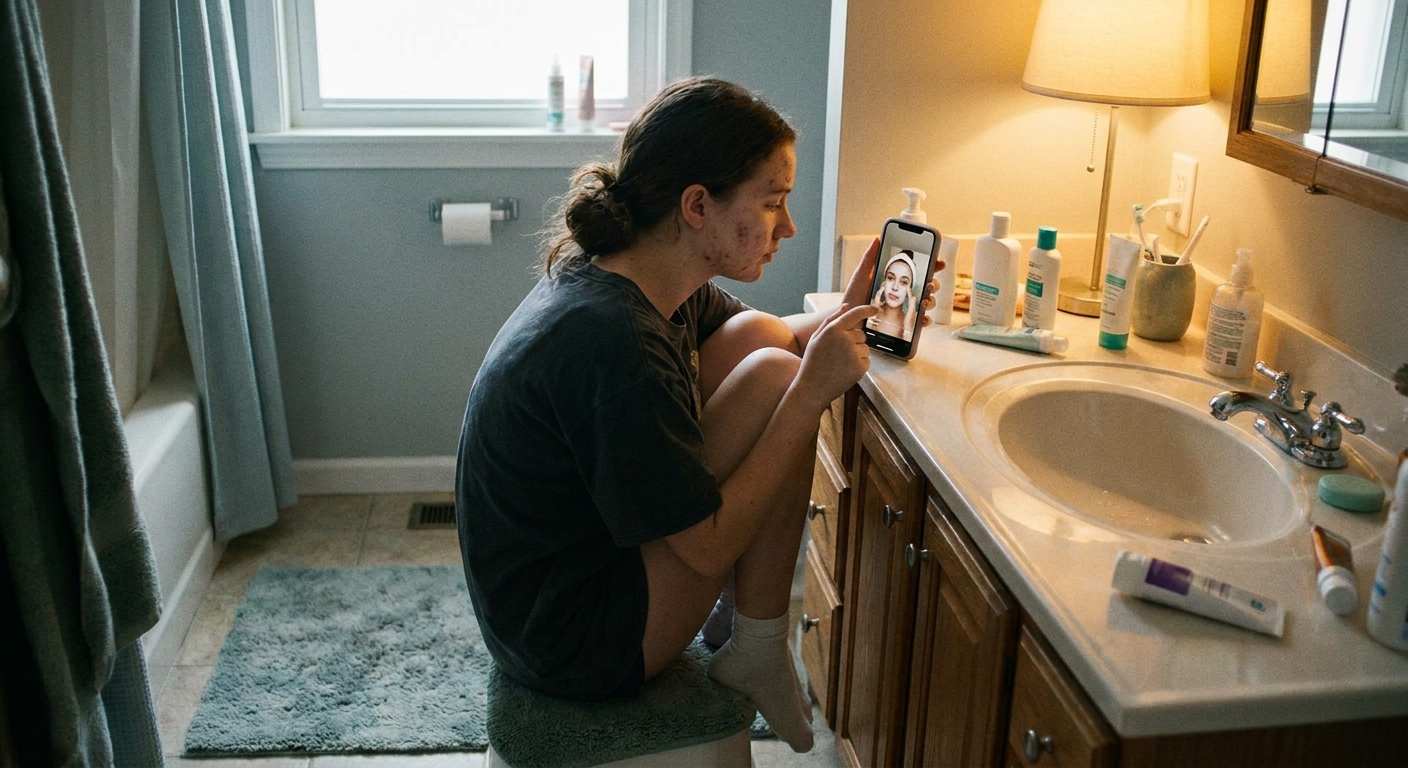
I spend too much time on skincare TikTok. Occupational hazard. But every time I scroll through my feed, I see the same cycle play out: someone posts a "life-changing" acne hack, it gets 4 million views, everyone tries it, and then dermatologists spend the next two weeks posting damage-control videos.
Some of these hacks are actually decent. Some are completely useless. And a few will genuinely hurt your skin. I went through the biggest ones and looked at what the research says, because your face deserves better than a 30-second video with a Doja Cat soundtrack.
Slugging: Actually Has Some Merit
Slugging is when you slather your face in Vaseline or Aquaphor before bed to "seal in" your skincare. The hashtag has something like 2 billion views at this point.
Here's my honest take: for dry, irritated, or over-exfoliated skin, slugging works. Petrolatum-based occlusives reduce transepidermal water loss by over 98%, which is more effective than any fancy moisturizer on the market [1]. If your skin barrier is wrecked from too much retinol or benzoyl peroxide, a night of slugging can genuinely help it recover.
But if you have active, oily, acne-prone skin? I'd skip it. Trapping oil and bacteria under a layer of petroleum jelly is a bad idea when your pores are already clogged. I've seen people break out worse after trying this. The concept is sound, the application matters. Use it when your skin is dry and angry, not when you're actively breaking out.
Verdict: Sometimes good, sometimes bad. Context matters.
Ice Rolling: Feels Amazing, Does Almost Nothing
Ice rollers are those frozen metal or jade rollers you keep in your freezer. They feel incredible on inflamed skin, I'll give them that. And cold temperatures do temporarily reduce swelling by constricting blood vessels.
But "temporarily" is doing a lot of work in that sentence. A 2013 review in the North American Journal of Medical Sciences found that cryotherapy can reduce acute inflammation, but the effects are short-lived and don't address the underlying causes of acne [2]. You're not treating anything. You're numbing it for twenty minutes.
If ice rolling is part of a routine that makes you feel good and motivated to actually do your skincare, great. Keep doing it. Just don't expect it to clear your breakouts. It's the skincare equivalent of putting a bag of frozen peas on a bruise.
Verdict: Harmless. Feels nice. Won't fix your acne.
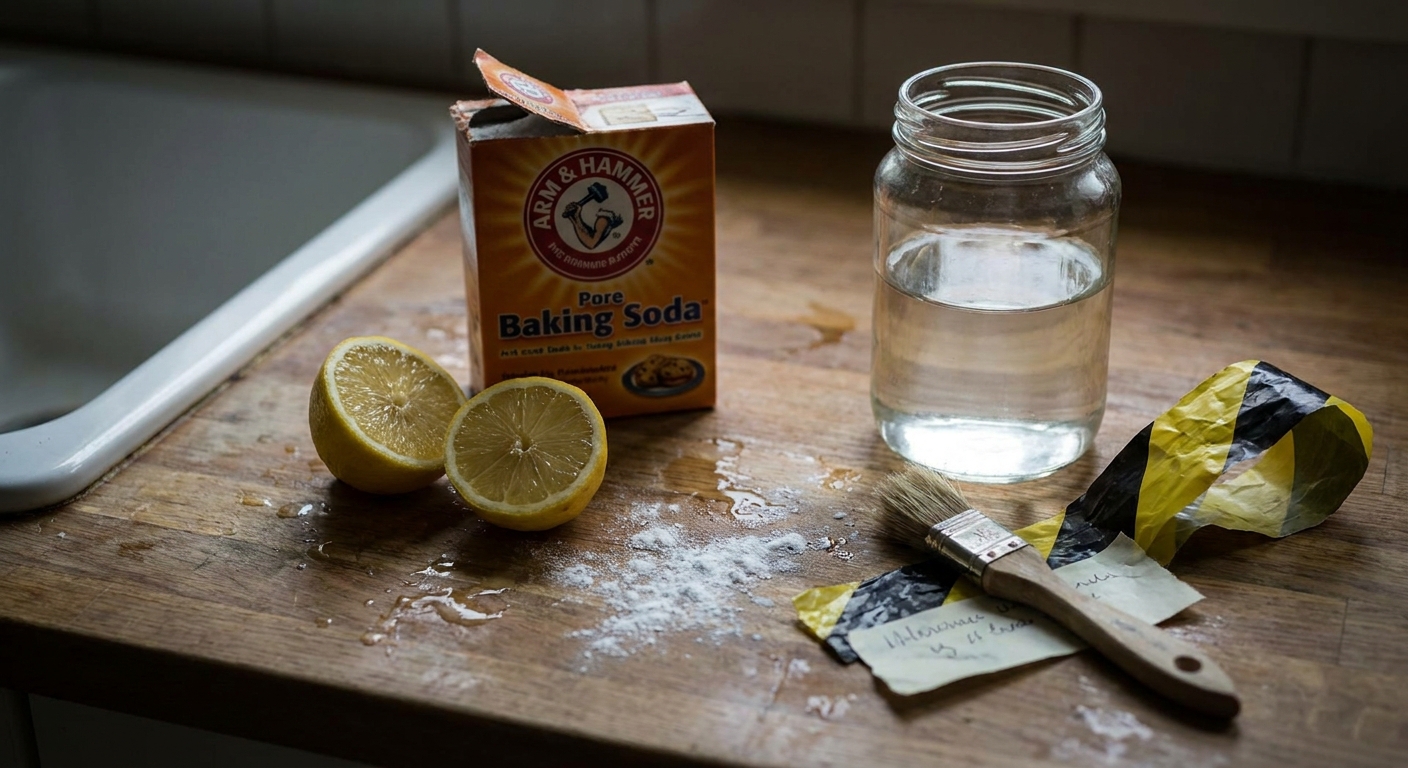
Lemon Juice on Your Face: Please Don't
This one makes me genuinely angry because it keeps coming back every few months. Someone posts a video about rubbing lemon juice on their acne, claiming the citric acid "exfoliates" and "brightens" skin.
Lemon juice has a pH of about 2. Your skin's natural pH sits around 4.5 to 5.5 [3]. Putting something that acidic on your face can cause chemical burns, especially if you go outside afterward. Citrus oils contain furanocoumarins, compounds that make your skin photosensitive. There's actually a medical condition for this called phytophotodermatitis, and dermatologists see it regularly in summer [4].
I've read forum posts from people who got second-degree burns from lemon juice and sun exposure. This isn't fearmongering. The AAD specifically warns against using lemon juice as a skincare ingredient [5].
If you want chemical exfoliation, use a product formulated for your face with a proper pH and concentration. Salicylic acid at 0.5-2% or glycolic acid at 5-10% will actually do what lemon juice promises without the burns. They cost like eight dollars at the drugstore.
Verdict: Dangerous. Can cause burns and permanent dark spots. Avoid entirely.
Baking Soda as a Scrub: Your pH Will Hate You
Another kitchen-ingredient hack that refuses to die. Baking soda has a pH of around 8.3, which is way too alkaline for your skin. Your acid mantle exists for a reason. It protects against bacteria and environmental damage, and disrupting it makes acne worse, not better [3].
A 2019 study in Clinical, Cosmetic and Investigational Dermatology confirmed that alkaline products disrupt the skin barrier and can increase susceptibility to bacterial colonization, including Cutibacterium acnes, the bacteria involved in acne [6]. So you're literally making conditions more favorable for the thing causing your breakouts.
I know the "gritty texture = clean skin" logic feels intuitive. It's also wrong. Physical scrubbing can cause microtears in your skin, and combining that with pH disruption is a recipe for irritation, dryness, and more breakouts.
Verdict: Actively harmful. Disrupts your skin barrier and can worsen acne.
The Aspirin Mask: Technically Does Something, Barely
Crush up aspirin, mix it with water, apply to face. The theory is that aspirin contains acetylsalicylic acid, which is related to salicylic acid, a proven acne ingredient.
Here's the problem: acetylsalicylic acid and salicylic acid aren't the same compound. They're related, but aspirin doesn't convert to salicylic acid on your skin in any meaningful amount. A proper 2% salicylic acid product is formulated to penetrate pores at the right pH. Crushed-up Bayer from your medicine cabinet isn't [7].
Could an aspirin mask reduce a tiny bit of redness? Maybe. Is it worth the trouble when a $9 bottle of salicylic acid cleanser exists? Absolutely not. This is one of those hacks that's technically not dangerous but wastes your time when better options are sitting on the shelf at CVS.
Verdict: Barely works. Just buy actual salicylic acid.
"CeraVe in the Tub": Fine Product, Weird Cult Following
I have nothing against CeraVe Moisturizing Cream. It's a solid, affordable moisturizer with ceramides, hyaluronic acid, and a reasonable ingredient list. Dermatologists genuinely do recommend it frequently.
But TikTok turned it into some kind of holy grail product, and that's overselling it. CeraVe is a good basic moisturizer. It contains ceramides that support barrier repair, which is backed by research [8]. It won't clear your acne. It won't transform your skin. It won't replace a proper acne treatment.
The product itself earns maybe a 7 out of 10 for most skin types. The hype around it earns a 3. If it works for you, use it. If it feels too heavy or you break out from it (which some people do, thanks to cetearyl alcohol), try something else. The brand isn't magic just because a dermatologist on TikTok held it up in a video.
Verdict: Decent product. The hype is overblown.
At-Home Dermarolling: This One Worries Me
Dermarolling (or microneedling) involves rolling tiny needles over your skin to create micro-injuries that stimulate collagen production. Professional microneedling in a derm's office is a legitimate treatment for acne scars, with real studies backing it up [9].
At-home dermarolling is a different story. The needles on consumer devices are often inconsistent in length and quality. You're puncturing your skin with a tool you sanitized in your bathroom. If you roll over active acne, you can spread bacteria across your face and cause new infections. And the depth of penetration with at-home devices is usually too shallow to trigger the collagen response that makes professional treatments effective.
The FDA considers microneedling devices medical devices. There's a reason professionals do this in sterile environments with single-use cartridges. I've seen enough post-dermarolling infection photos on Reddit to feel strongly about this one.
If you want microneedling for acne scars, save up and see a professional. If you can't afford it yet, that's okay. Use a vitamin C serum and sunscreen in the meantime. Your skin can wait.
Verdict: Risky at home. See a professional if you want this done.
Snail Mucin: Nice Texture, Unclear Benefits
Snail mucin products (most people know the COSRX one) contain glycoproteins, glycolic acid, and hyaluronic acid from snail secretion filtrate. They feel great on skin. Silky, hydrating, a little weird if you think about it too hard.
Some research suggests snail mucin has wound-healing and antioxidant properties [10]. But the studies are small, often in vitro (meaning in a lab dish, not on human faces), and the concentrations in commercial products vary wildly. Nobody's regulating how much actual mucin goes into these serums.
I think snail mucin products are fine as a hydrating step. They're not going to clear acne. They might help with mild irritation. The ingredient itself isn't a scam, but TikTok acts like it's some kind of miracle serum, and it's really just a decent hydrator with an unusual source ingredient.
Verdict: Not harmful. Overhyped. Fine as a hydrating layer, not an acne treatment.
Key Takeaways
- Lemon juice and baking soda are the most dangerous hacks on this list. Both can damage your skin barrier, and lemon juice can cause actual chemical burns with sun exposure.
- Slugging and CeraVe are fine for the right skin types but aren't acne treatments. They support skin health, which matters, but they won't clear breakouts on their own.
- At-home dermarolling carries real infection risk. Professional microneedling is backed by research; bathroom microneedling is not.
- Most "miracle" ingredients (snail mucin, ice rolling, aspirin) are overhyped but not harmful. They won't hurt you, but they're also not replacing proper acne treatment.
- Proven acne ingredients still work best. Salicylic acid, benzoyl peroxide, retinoids, and niacinamide have decades of research behind them. TikTok didn't discover anything better.
Bottom Line
I get why TikTok acne hacks are popular. They're quick, they're cheap, and the before-and-afters look convincing. But most of what goes viral does so because it's interesting or surprising, not because it works. The stuff that actually clears acne is boring. It's a gentle cleanser, a proven active ingredient, a basic moisturizer, and sunscreen. Nobody's getting 10 million views for saying "use benzoyl peroxide and be patient."
If you want to try a TikTok hack, at least Google the ingredients first. Check whether a dermatologist has commented on it. And if it involves putting food on your face, that's usually a sign to close the app and walk away.
Sources
- Ghadially, R., Halkier-Sorensen, L., & Elias, P. M. (1992). Effects of petrolatum on stratum corneum structure and function. Journal of the American Academy of Dermatology, 26(3), 387-396.
- Bleakley, C. M., & Davison, G. W. (2010). Cryotherapy and inflammation: evidence beyond the cardinal signs. Physical Therapy Reviews, 15(6), 430-435.
- Lambers, H., Piessens, S., Bloem, A., Pronk, H., & Finkel, P. (2006). Natural skin surface pH is on average below 5, which is beneficial for its resident flora. International Journal of Cosmetic Science, 28(5), 359-370.
- Hankinson, A., Lloyd, B., & Alweis, R. (2014). Lime-induced phytophotodermatitis. Journal of Community Hospital Internal Medicine Perspectives, 4(4), 25090.
- American Academy of Dermatology. (2023). DIY skin care: Is it safe? Retrieved from https://www.aad.org/public/everyday-care/skin-care-basics/care/diy-skin-care
- Proksch, E. (2018). pH in nature, humans and skin. Journal of Dermatology, 45(9), 1044-1052.
- Arif, T. (2015). Salicylic acid as a peeling agent: a comprehensive review. Clinical, Cosmetic and Investigational Dermatology, 8, 455-461.
- Coderch, L., López, O., de la Maza, A., & Parra, J. L. (2003). Ceramides and skin function. American Journal of Clinical Dermatology, 4(2), 107-129.
- Iriarte, C., Awosika, O., Rengifo-Pardo, M., & Ehrlich, A. (2017). Review of applications of microneedling in dermatology. Clinical, Cosmetic and Investigational Dermatology, 10, 289-298.
- Brieva, A., Philips, N., Tejedor, R., Guerrero, A., Pivel, J. P., Alonso-Lebrero, J. L., & Gonzalez, S. (2008). Molecular basis for the regenerative properties of a secretion of the mollusk Cryptomphalus aspersa. Skin Pharmacology and Physiology, 21(1), 15-22.
How we reviewed this article:
Our experts continually monitor the health and wellness space, and we update our articles when new information becomes available.
Read This Next
When Your Sibling Has Clear Skin and You Don't: Dealing with Acne Jealousy
Watching your sibling eat the same food, skip skincare, and have perfect skin while you break out constantly is one of the most frustrating parts of having acne.
Read More →
Does Sunlight Help or Hurt Acne? The Complicated Truth
Sun might temporarily mask acne, but it makes things worse long-term. Here's why the vacation skin effect isn't what you think and why UV isn't an acne treatment.
Read More →
Instagram Filters and Acne: How Social Media Distorts Skin Reality
Filters blur texture, erase pores, and create a version of skin that doesn't exist in real life. Here's how that messes with your head when you have acne.
Read More →
Honey for Acne: Does This Kitchen Ingredient Actually Work?
Manuka honey has real antibacterial research behind it. Regular honey, not so much. Here's what works, what doesn't, and whether it's worth the sticky mess.
Read More →
Green Tea and Acne: The Drink (and Ingredient) That Might Help
EGCG in green tea has anti-inflammatory and anti-androgenic properties that could help acne-prone skin. Here's what the research says about drinking it and putting it on your face.
Read More →