Back Acne in Teenagers: Complete Treatment and Prevention Guide
Medically reviewed by Dr. James Chen, MD, Dermatology & Nutrition
Written by Teen Acne Solutions Editorial Team — Updated March 14, 2026
Key takeaways
- Back acne is extremely common — up to 60% of teens with facial acne also develop breakouts on the back, chest, or shoulders.
- Benzoyl peroxide body wash (5-10%) is the single most effective over-the-counter treatment for back acne, according to dermatologists.
- Shower within 10 minutes after sweating — letting sweat dry on your skin traps bacteria and clogs pores, making breakouts worse.
- Friction from backpacks, sports pads, and tight clothing is a major trigger that most teens don't realize they can control.
- See a dermatologist if OTC treatments haven't improved your back acne after 8-12 weeks — prescription options like topical retinoids or oral medications can make a dramatic difference.
If you've ever dreaded taking your shirt off at a pool party, avoided wearing a tank top in summer, or felt self-conscious changing in the locker room, you're not alone. Back acne — sometimes called "bacne" — is one of the most common skin concerns among teenagers, and it's one that rarely gets talked about openly.
Here's the thing most people don't realize: up to 60% of teens who have facial acne also develop breakouts on their back, chest, or shoulders. It's incredibly normal, and more importantly, it's very treatable. Whether you're dealing with a few scattered bumps or widespread, painful cysts, this guide will walk you through exactly what's going on, what to try first, and when it's time to get professional help.
Why Back Acne Is Different from Facial Acne
You might assume that back acne and facial acne are the same thing, just in different locations. And while the underlying mechanism is similar — clogged pores, excess oil, bacteria, inflammation — there are some important differences that affect how you should treat it.
Thicker Skin, Bigger Pores, More Oil
The skin on your back is significantly thicker than the skin on your face. It also has a higher density of sebaceous (oil-producing) glands, which means more sebum production and more opportunities for pores to become clogged. Research published in the British Journal of Dermatology has shown that truncal acne (acne on the trunk of the body) often involves larger, deeper lesions compared to facial breakouts because of these anatomical differences.
Harder to Reach, Harder to Treat
Let's be practical: you can't easily see your back, and you definitely can't reach all of it. This makes it harder to apply treatments consistently, harder to notice early breakouts, and easier to accidentally irritate the skin through friction without realizing it. Many teens don't even know they have back acne until someone else points it out, which can feel embarrassing on its own.
More Friction and Sweat Exposure
Your face might get sweaty during gym class, but your back bears the brunt of backpack straps, sports equipment, tight athletic shirts, and chair backs — all day long. This constant friction combined with trapped sweat creates a perfect environment for breakouts, a specific type of acne called acne mechanica that we'll cover in detail below.
What Causes Back Acne in Teenagers
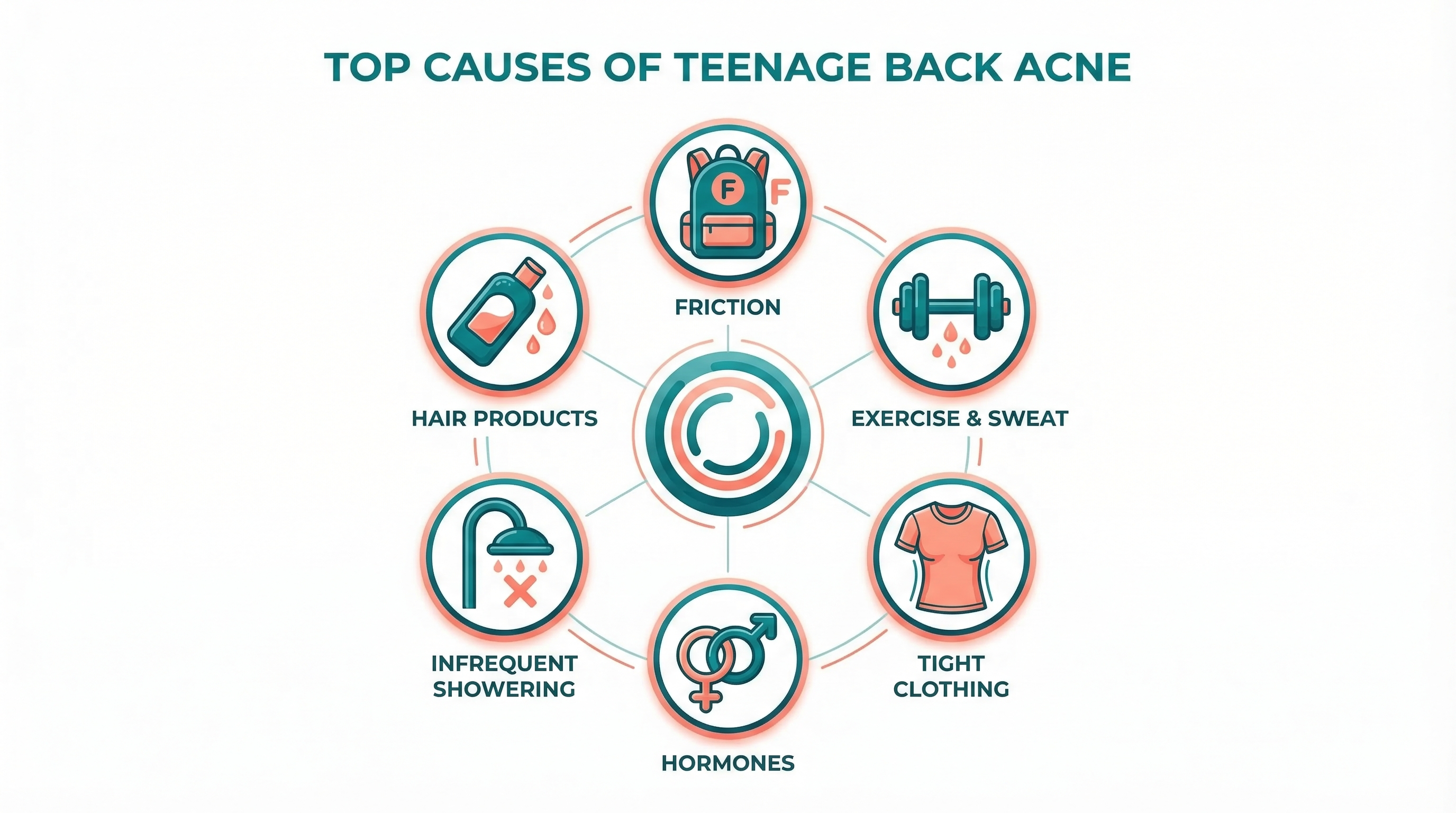
Understanding what's triggering your back acne is the first step toward getting it under control. For most teens, it's a combination of several factors working together.
Hormonal Changes
This is the big one. During puberty, your body ramps up production of androgens — hormones like testosterone that both boys and girls produce in increasing amounts during adolescence. Androgens stimulate your sebaceous glands to produce more oil, and since your back has some of the largest and most active oil glands on your body, it's especially vulnerable. This is why back acne tends to appear or worsen between ages 12 and 18, right alongside facial acne.
Sweat and Heat
Sweating itself doesn't directly cause acne, but when sweat sits on your skin and mixes with dead skin cells and bacteria, it can clog pores. This is especially problematic on the back, where sweat tends to get trapped under clothing. If you're an athlete, play a sport, or simply live in a warm climate, you're at higher risk.
Friction (Acne Mechanica)
Acne mechanica is a specific type of acne triggered by pressure, heat, and friction against the skin. For teenagers, the most common culprits are:
- School backpacks — especially heavy ones worn for long periods
- Sports equipment — shoulder pads, hockey gear, wrestling headgear straps, lacrosse pads
- Tight-fitting clothing — compression shirts, sports bras, synthetic athletic wear
- Chair backs — sitting in the same position for hours during class
- Helmet and strap pressure — especially along the upper back and shoulders
If you notice that your breakouts line up with where your backpack straps sit or where your sports pads press against your skin, acne mechanica is very likely a factor.
Clothing and Fabrics
Tight, non-breathable fabrics trap sweat, heat, and bacteria against your skin. Synthetic materials like polyester and nylon are particularly problematic because they don't wick moisture the way cotton or performance fabrics do. Re-wearing a sweaty gym shirt without washing it is one of the fastest ways to trigger a back breakout.
Genetics
If one or both of your parents dealt with body acne as teenagers, there's a strong chance you will too. Genetic factors influence how much oil your skin produces, how your immune system responds to the bacteria that cause acne (Cutibacterium acnes), and how prone your pores are to clogging.
Hair Products and Conditioner Residue
This one surprises a lot of people. When you rinse shampoo and conditioner in the shower, the residue runs down your back. Many hair products contain oils, silicones, and sulfates that can clog pores on contact. If your breakouts are concentrated on your upper back and shoulders, hair product residue could be a sneaky contributor.
Types of Back Acne
Not all back acne looks the same, and knowing what type you're dealing with helps determine the best treatment approach.
Non-Inflammatory Acne
- Blackheads (open comedones) — small, dark spots where clogged pores remain open at the surface. The dark color comes from oxidation, not dirt.
- Whiteheads (closed comedones) — small, flesh-colored or white bumps where the pore is clogged and closed. These are common on the upper back.
Inflammatory Acne
- Papules — small, red, raised bumps that feel tender to the touch. These form when clogged pores become inflamed.
- Pustules — similar to papules but with a visible white or yellow center filled with pus. These are what most people think of as "pimples."
Severe Acne
- Nodules — large, hard, painful bumps deep under the skin. These don't have a visible head and can persist for weeks.
- Cysts — deep, painful, pus-filled lumps beneath the skin's surface. Cystic acne on the back is particularly common in teenage boys and is more likely to leave scars if not treated properly.
Important: If you have primarily nodules or cysts on your back, over-the-counter treatments alone are unlikely to be enough. This is a sign that you should see a dermatologist sooner rather than later.
The Best Shower Routine for Back Acne
Your shower habits have a bigger impact on back acne than you might think. A few simple changes can make a real difference.
Timing Matters
One of the most important rules for managing back acne is this: shower within 10 minutes of sweating. Whether that's after gym class, sports practice, a workout, or even just a hot day — don't let sweat dry on your skin. Dried sweat, combined with oil and dead skin cells, is a recipe for clogged pores.
If you can't shower right away (like if you're stuck in class after gym), at the very least change into a clean, dry shirt. Keep a spare in your locker.
Wash Your Back Last
This tip is simple but effective. Wash and rinse your hair first, then wash your body — especially your back — last. This ensures that any shampoo or conditioner residue that ran down your back gets washed away, rather than sitting on your skin after you step out.
Use the Right Cleanser
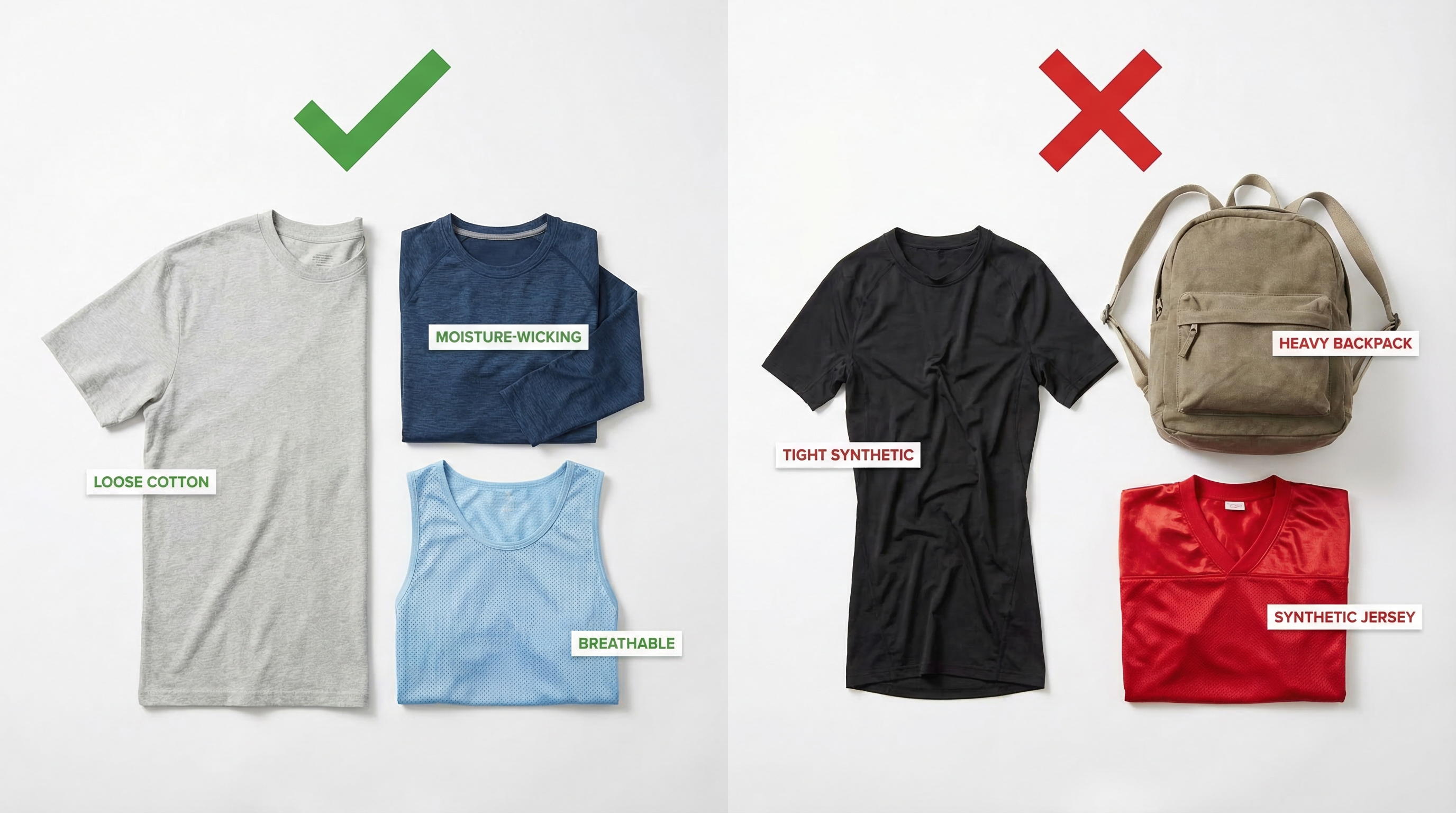
Skip the regular bar soap for your back. Instead, use a medicated body wash containing benzoyl peroxide (5-10%) or salicylic acid (2%). These active ingredients work directly on the causes of acne and are far more effective than standard soap.
Let the medicated wash sit on your back for 30-60 seconds before rinsing. This "contact time" is important — if you rinse it off immediately, the active ingredients don't have time to penetrate the pore.
Don't Scrub Aggressively
It's tempting to think that scrubbing harder will clean your pores better. It won't. Aggressive scrubbing with a loofah, rough washcloth, or exfoliating brush irritates already-inflamed skin and can actually spread bacteria. Use your hands or a soft, clean washcloth, and replace it every few days.
Water Temperature
Very hot water can strip your skin's natural moisture barrier and trigger your oil glands to overcompensate. Use lukewarm water — warm enough to be comfortable, but not steaming.
Best Ingredients and Treatments for Back Acne
When it comes to over-the-counter treatments for back acne, not all ingredients are created equal. Here are the ones with the strongest evidence behind them, ranked by what dermatologists typically recommend trying first.
Benzoyl Peroxide (The Gold Standard)
If you only try one treatment for back acne, make it benzoyl peroxide. Available as a body wash in concentrations of 5% or 10%, benzoyl peroxide kills Cutibacterium acnes (the bacterium responsible for inflammatory acne) and helps unclog pores. The AAD's guidelines specifically recommend benzoyl peroxide as a first-line treatment for truncal acne.
How to use it: Apply the wash to your back in the shower, let it sit for 1-2 minutes, then rinse. Start with every other day to see how your skin tolerates it.
Warning: Benzoyl peroxide bleaches fabric. Use white towels, wear a white undershirt to bed, and let it dry completely before putting on clothes you care about. This is probably the #1 complaint teens have about the ingredient, but it's worth it.
Salicylic Acid
Salicylic acid is a beta-hydroxy acid (BHA) that works by dissolving the "glue" that holds dead skin cells together inside the pore. It's oil-soluble, which means it can penetrate into clogged pores more effectively than many other ingredients. A concentration of 2% in a body wash or spray is standard.
Salicylic acid is gentler than benzoyl peroxide and a good option if your skin is sensitive or if your back acne is mostly blackheads and whiteheads. However, for inflammatory back acne with red, angry bumps, benzoyl peroxide is generally more effective.
Glycolic Acid and Other AHAs
Alpha-hydroxy acids like glycolic acid help by exfoliating the surface of the skin, reducing the buildup of dead cells that contribute to clogged pores. Body lotions containing 8-12% glycolic acid can be applied to the back after showering. These are particularly useful for post-acne dark marks and uneven skin texture.
Zinc Pyrithione or Ketoconazole
Sometimes what looks like acne on the back is actually pityrosporum folliculitis — a condition caused by yeast overgrowth rather than bacteria. If your back bumps are small, uniform, and very itchy, this could be the cause. An anti-dandruff wash containing zinc pyrithione or ketoconazole (available over the counter) can help clear it up. If you suspect this, mention it to your dermatologist — the treatment approach is different from standard acne.
Tea Tree Oil (Use with Caution)
Tea tree oil has some antimicrobial properties, and a few small studies suggest it can be helpful for mild acne. However, it's much weaker than benzoyl peroxide, can cause skin irritation or allergic reactions, and needs to be properly diluted. It's not a first-line treatment, but some teens find it helpful as a supplementary option in body wash formulations.
Topical Retinoids
Over-the-counter adapalene (Differin, 0.1%) can be used on the back, though applying it evenly to a large area is tricky. Retinoids work by increasing skin cell turnover and preventing pores from becoming clogged in the first place. They're especially effective for comedonal acne (blackheads and whiteheads). If you go this route, apply a thin layer at night and always use sunscreen — retinoids make your skin more sensitive to UV light.
Lifestyle Changes That Actually Help
Treatments matter, but lifestyle habits can make or break your results. Here are the changes that make the biggest practical difference for teens dealing with back acne.
Clothing Choices
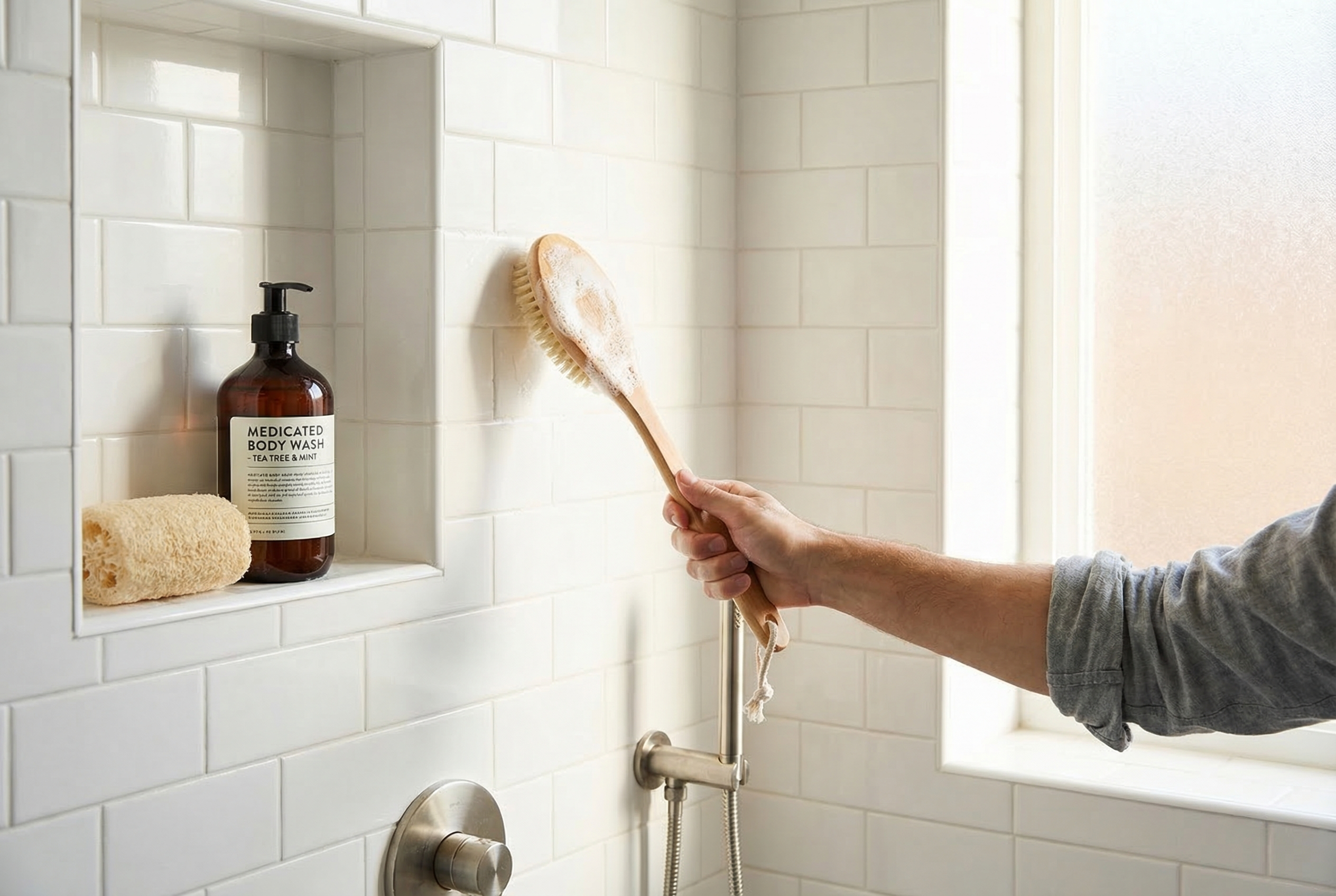
- Wear moisture-wicking fabrics during exercise instead of plain cotton, which absorbs sweat and holds it against your skin
- Change out of sweaty clothes immediately after practice, gym class, or any activity that gets you sweating
- Avoid tight-fitting shirts when possible — loose-fitting tops allow your skin to breathe
- Wash workout clothes after every single use — bacteria thrive on damp fabric
Backpack Tips
Since most teens carry backpacks for 6-8 hours a day, this is a major area to address:
- Adjust your straps so the backpack sits evenly and isn't bouncing against your back
- Use both shoulder straps — slinging it over one shoulder concentrates all the friction in one area
- Look for padded, breathable back panels if you're shopping for a new backpack
- Lighten the load when possible — a heavier pack means more pressure and friction
- Wear a clean cotton t-shirt underneath to create a barrier between the backpack and your skin
Sports Gear
- Wear a clean, moisture-wicking base layer under pads and protective equipment
- Clean equipment regularly — shoulder pads, chest protectors, and helmets harbor bacteria
- Shower immediately after practice or games — don't sit around in sweaty gear
- If your school has gym showers, use them. Bring a medicated body wash, a clean towel, and flip-flops. Even a 2-minute rinse is better than sitting in sweat for the rest of the day.
Bedding
You spend 7-9 hours a night with your back against your sheets. Wash your sheets and pillowcases at least once a week in hot water. If you're actively treating back acne, consider changing your sheets even more frequently. Use unscented, dye-free laundry detergent to avoid potential irritation.
Diet
The relationship between diet and acne is still being studied, but emerging research suggests that diets high in high-glycemic foods (sugary snacks, white bread, processed carbs) and dairy may worsen acne in some people. You don't need to overhaul your entire diet, but being mindful of these patterns and staying hydrated is a reasonable approach.
When to See a Dermatologist
Over-the-counter treatments work well for mild to moderate back acne, but there are clear signs that it's time to bring in a professional.
You Should See a Dermatologist If:
- Your back acne hasn't improved after 8-12 weeks of consistent OTC treatment
- You have deep, painful nodules or cysts that don't come to a head
- Your acne is leaving scars or dark marks (post-inflammatory hyperpigmentation)
- Back acne is significantly affecting your mental health, causing you to avoid activities or withdraw socially
- You've developed widespread acne covering your back, chest, and shoulders simultaneously
Prescription Treatment Options
A dermatologist has access to treatments that are significantly more powerful than anything available over the counter:
- Topical prescription retinoids (tretinoin, tazarotene) — stronger versions of adapalene that increase cell turnover and prevent clogging
- Topical antibiotics (clindamycin) — usually prescribed in combination with benzoyl peroxide to reduce bacterial resistance
- Oral antibiotics (doxycycline, minocycline) — used for moderate-to-severe inflammatory acne, typically for a limited course of 3-6 months
- Hormonal therapies — oral contraceptives or spironolactone may be options for teenage girls whose acne is driven by hormonal factors
- Isotretinoin (Accutane) — reserved for severe, treatment-resistant acne. Isotretinoin is extremely effective but comes with significant potential side effects and requires close medical monitoring, monthly blood tests, and (for those who can become pregnant) strict pregnancy prevention measures
For parents: If your teen is dealing with painful back acne, don't wait. Early treatment — especially for cystic acne — can prevent permanent scarring. A dermatologist visit isn't an overreaction; it's a proactive step that can save your teen years of physical and emotional discomfort.
The Emotional Side of Back Acne
We need to talk about this, because it matters more than most adults realize.
Back acne might seem less visible than facial acne, but the emotional impact can be just as intense — sometimes more so, because it affects situations that are supposed to be fun. Research published in the International Journal of Women's Dermatology has found strong associations between acne and reduced self-esteem, social withdrawal, and even symptoms of anxiety and depression in adolescents.
When Back Acne Gets in the Way of Living
Think about all the situations where back acne becomes a source of stress for teenagers:
- Pool parties and the beach — avoiding water activities entirely or wearing a t-shirt in the pool
- Gym class and locker rooms — dreading having to change in front of other people
- Dating and intimacy — worrying about what someone else will think
- Prom and formal events — girls avoiding backless or strapless dresses; boys dreading the thought of visible bumps under a dress shirt
- Sports — feeling exposed in a jersey or during "shirts vs. skins" drills
These aren't trivial concerns. When back acne makes a teenager withdraw from activities they'd otherwise enjoy, it's having a real effect on their quality of life.
What You Can Do
- Remember it's temporary. Back acne almost always improves significantly with proper treatment, and most people see major improvement by their early twenties even without treatment.
- Talk about it. Whether it's a parent, a friend, a school counselor, or a therapist — don't carry the stress alone. You'd be surprised how many of your friends are dealing with the same thing.
- Focus on what you can control. Following a consistent treatment routine gives you agency over the situation. You're doing something about it, and that matters psychologically.
- Don't let it steal your experiences. Go to the pool party. Try out for the swim team. Wear what you want to prom. Back acne doesn't define you, and most people are far less focused on your skin than you think.
If your teen's acne is causing significant emotional distress — persistent sadness, avoiding friends, declining grades, or loss of interest in activities they used to enjoy — please take it seriously. A conversation with their pediatrician or a mental health professional can help. Acne itself is treatable, and so is the emotional toll it can take.
Bottom Line
Back acne is one of the most common skin concerns among teenagers, and it's nothing to be ashamed of. The combination of hormonal changes, sweat, friction from backpacks and sports gear, and tight clothing creates a perfect storm during adolescence — but every single one of those factors can be managed.
Start with the basics: shower promptly after sweating, use a benzoyl peroxide or salicylic acid body wash, let it sit before rinsing, and change out of sweaty clothes immediately. Make practical adjustments to how you wear your backpack, manage your sports gear, and choose your fabrics.
Give your routine at least 8-12 weeks of consistent use before judging results. If OTC treatments aren't cutting it, see a dermatologist — there are effective prescription options for every severity level of back acne, and early treatment can prevent scarring.
Most importantly, don't let back acne hold you back from living your life. It's a temporary skin condition, not a life sentence. With the right approach, clearer skin is well within reach.
How we reviewed this article:
Our experts continually monitor the health and wellness space, and we update our articles when new information becomes available.
- Zaenglein AL, et al. Guidelines of care for the management of acne vulgaris. J Am Acad Dermatol. 2016;74(5):945-973https://pubmed.ncbi.nlm.nih.gov/26897386/
- Del Rosso JQ, et al. Status report on the management of truncal acne. J Clin Aesthet Dermatol. 2019;12(8):S2-S6https://pubmed.ncbi.nlm.nih.gov/31531164/
- American Academy of Dermatology. Acne: Tips for Managinghttps://www.aad.org/public/diseases/acne/skin-care/tips
- Bhate K, Williams HC. Epidemiology of acne vulgaris. Br J Dermatol. 2013;168(3):474-485https://pubmed.ncbi.nlm.nih.gov/23210645/
- Tan JKL, Bhate K. A global perspective on the epidemiology of acne. Br J Dermatol. 2015;172(Suppl 1):3-12https://pubmed.ncbi.nlm.nih.gov/25597339/
- Dréno B, et al. Anatomy, immunology, and pathophysiology of acne: Understanding truncal acne. J Eur Acad Dermatol Venereol. 2023;37(Suppl 2):3-11https://pubmed.ncbi.nlm.nih.gov/36786405/
- Kraft J, Freiman A. Management of acne. CMAJ. 2011;183(7):E430-E435https://pubmed.ncbi.nlm.nih.gov/21398228/
- Milani M, Bigardi A, Zavattarelli M. Efficacy and safety of stabilised hydrogen peroxide cream (Crystacide) in mild-to-moderate acne vulgaris. Br J Dermatol. 2003;148(5):966-971https://pubmed.ncbi.nlm.nih.gov/12786827/
- Zeichner JA, et al. The use of salicylic acid in dermatology: A review. J Clin Aesthet Dermatol. 2022;15(3):52-56https://pubmed.ncbi.nlm.nih.gov/35368364/
- Nguyen QG, Markus R, Katta R. Diet and acne: An exploratory survey study of patient beliefs. Dermatol Pract Concept. 2016;6(2):21-27https://pubmed.ncbi.nlm.nih.gov/27648380/
- Gallitano SM, Berson DS. How acne bumps cause the blues: The influence of acne vulgaris on self-esteem. Int J Womens Dermatol. 2018;4(1):12-17https://pubmed.ncbi.nlm.nih.gov/29872679/
- American Academy of Dermatology. Acne: Who Gets and Causeshttps://www.aad.org/public/diseases/acne/causes/acne-causes
Read This Next

The Acne Glossary: Every Term You'll Encounter, Explained Simply
From adapalene to zinc, every acne and skincare term you'll run into, defined in plain language without the medical jargon.
Read More →
Micellar Water for Acne-Prone Skin: Gentle Cleanser or Lazy Shortcut?
Micellar water is fine for light cleansing days but won't remove sunscreen properly. Here's when to use it, when to skip it, and whether you need to rinse.
Read More →
How Seasonal Changes Affect Your Acne (And When to Switch Products)
Going to College with Acne: Preparing Your Skincare for Dorm Life