Building Confidence with Acne: A Practical Guide for Teenagers
Medically reviewed by Dr. Sarah Mitchell, MD, Board-Certified Dermatologist
Written by Teen Acne Solutions Editorial Team — Updated March 13, 2026
Key takeaways
- Confidence with acne isn't about pretending it doesn't bother you — it's about not letting it shrink your life
- Research shows that social avoidance actually makes acne-related anxiety worse over time, not better
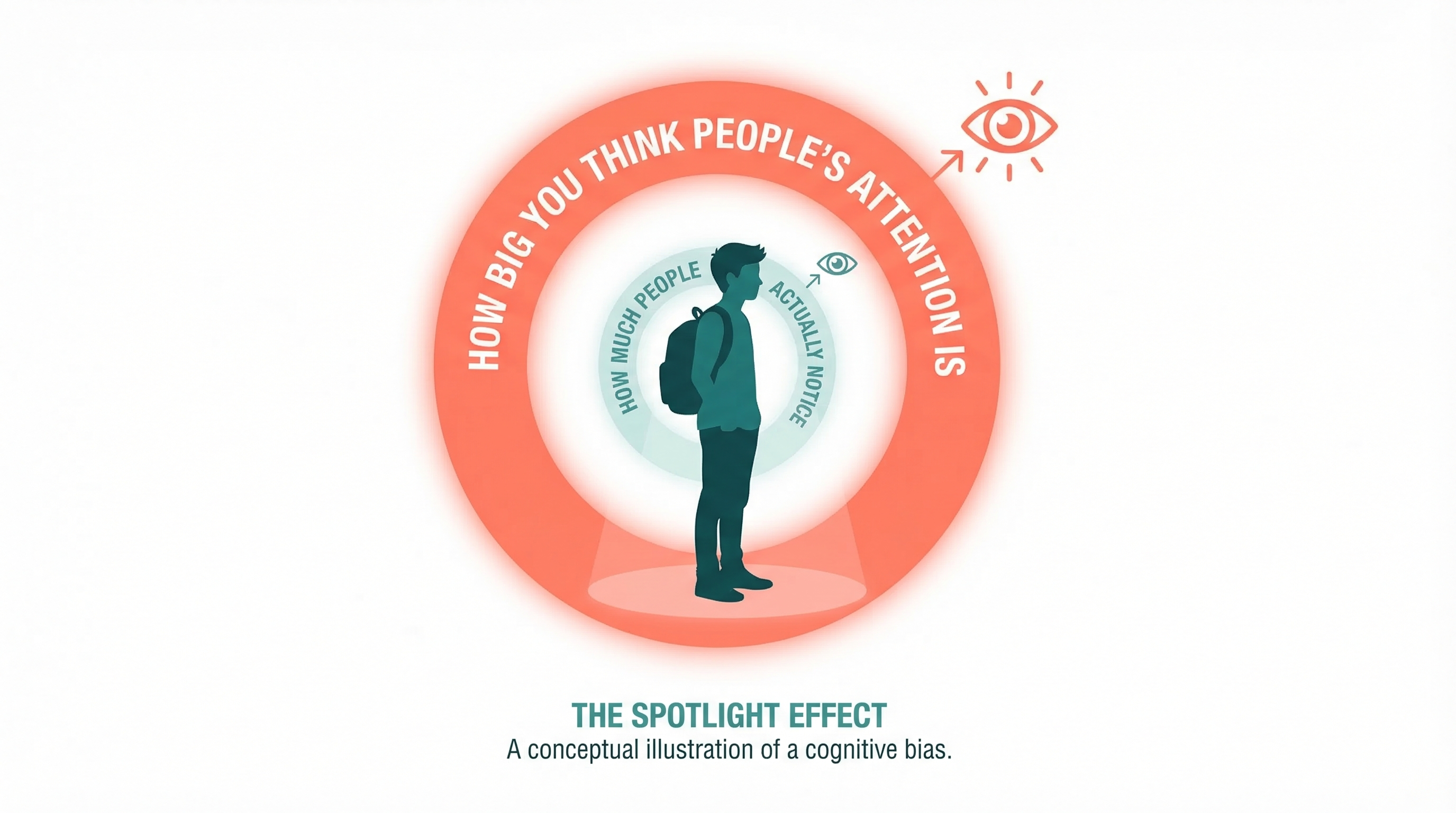
- People notice your acne far less than you think — the 'spotlight effect' is well-documented in psychology
- Taking action on treatment — even small steps — significantly reduces feelings of helplessness
- Many successful adults had severe teen acne — it genuinely does not define your future
Let's skip the part where someone tells you to "just love yourself" and your skin will magically stop bothering you. You've heard that. It didn't help. And honestly, it kind of makes things worse — because now you feel bad about having acne and bad about feeling bad about it.
Here's what we're actually going to talk about: how to stop letting acne run your life. Not by pretending it doesn't exist, but by building the kind of confidence that holds up even on your worst skin days. The kind that comes from who you are, not what your face looks like on any given Tuesday.
This is going to be honest. Some of it might be uncomfortable. But it works.
Why Acne Hits Confidence So Hard
Before we get into solutions, let's acknowledge something important: if acne is wrecking your confidence, that's not a character flaw. There are real, specific reasons why breakouts hit teenagers harder than almost any other group.
Your identity is still forming
Between the ages of 13 and 19, your brain is doing something massive — it's building your sense of self. Psychologists call this identity formation, and it's one of the most important developmental tasks of adolescence. You're figuring out who you are, what you value, where you fit.
And during this exact period, your face decides to stage a full rebellion.
The problem is that when you're still constructing your identity, appearance feels like it is your identity. You haven't had decades of life experience to build a sense of self that's rooted in deeper things. So when acne shows up, it doesn't just affect how you look — it feels like it affects who you are.
Research published in the Journal of Investigative Dermatology found that adolescents with acne reported significantly higher rates of social impairment and mental health problems compared to their clear-skinned peers. This isn't vanity. This is a real psychological impact during a critical developmental window.
The comparison machine is relentless
You're surrounded by faces — in class, on Instagram, on TikTok — and your brain is constantly, automatically comparing. It's not something you choose to do. It's hardwired. And when you have acne, every smooth-skinned person in your feed feels like evidence that something is wrong with you specifically.
Here's what those comparisons leave out: roughly 85% of teenagers get acne at some point. Eighty-five percent. You are overwhelmingly in the majority. But acne is one of those things where everyone who has it feels like the only one, because people don't post their breakouts and filtered selfies hide everything.
First relationships add pressure
Let's be real — when you're starting to date, or even just thinking about it, acne feels catastrophic. You're already nervous about putting yourself out there, and breakouts add this extra layer of "what if they think I'm disgusting?"
A 1999 study in the British Journal of Dermatology found that acne's impact on quality of life was comparable to conditions like asthma, epilepsy, and diabetes. That's not because teenagers are dramatic. It's because skin is social. It's the first thing people see. And when you're navigating first crushes and first relationships, that visibility feels unbearable.

The Spotlight Effect
Now here's where things start to get better, because science has some genuinely good news for you.
In 2000, psychologist Thomas Gilovich and his colleagues at Cornell University ran a now-famous series of experiments on something called the spotlight effect. The basic finding: people dramatically overestimate how much others notice their appearance.
In one experiment, participants were asked to wear an embarrassing t-shirt into a room full of people. The participants predicted that about half the room would notice. The actual number? Less than 25%.
Your acne is your spotlight effect on steroids. You see it every time you look in the mirror. You feel it on your face. You've memorized the exact location of every active breakout. So naturally, you assume everyone else is seeing the same detailed map of your skin.
They're not.
Here's a quick mental exercise you can try right now: think about the last five people you talked to today. Can you describe their skin in detail? Did they have any pimples? Where exactly?
You probably can't. And these are people you actually interacted with. That's the spotlight effect in action. Other people are mostly thinking about themselves — their own insecurities, their own problems, whether they said something awkward in third period. Your acne barely registers on their radar.
This doesn't mean acne is invisible. Sometimes people do notice. But the gap between how much you think they notice and how much they actually notice is enormous. Research on acne-related stigma published in PLOS ONE confirms that perceived stigma (what you think others think) is a far stronger predictor of reduced quality of life than actual social experiences. In other words, the story you're telling yourself about what others think is doing more damage than what they actually think.
Try this: The "what if they notice?" exercise
Next time you're anxious about your skin in a social situation, try this thought experiment:
- Assume the worst. Okay, that person noticed your acne. What happens next?
- Follow it through. Do they stop talking to you? Do they run away? Or do they... just keep having a normal conversation?
- Check the evidence. Has anyone actually treated you significantly differently because of your skin? (Comments from siblings don't count — they'd find something regardless.)
Most of the time, when you follow the "what if" all the way through, you realize the catastrophe you're imagining doesn't actually happen. The conversation continues. The friendship holds. Life goes on.
Stop Waiting for Clear Skin to Start Living
This is the trap. This is the big one. And if you take nothing else from this article, take this.
So many teenagers put their lives in a holding pattern because of acne. They think: I'll go to the party when my skin clears up. I'll ask them out when this breakout goes away. I'll take photos when I look better. I'll start living... later.
The problem is that "later" keeps moving. There's always another breakout. Always another bad skin day. And before you know it, you've spent months — sometimes years — on the sidelines of your own life.
Research on social avoidance and anxiety shows that avoiding situations that make you anxious doesn't reduce the anxiety. It makes it worse. Every time you skip a social event because of your skin, your brain files that as confirmation that the situation was genuinely dangerous. The avoidance circle tightens. Next time, it takes even less acne to make you cancel plans.
This is not about forcing yourself to do things that make you miserable. It's about recognizing that waiting for perfect skin to start living is a deal you're making with yourself that will never pay off — because even people with clear skin find reasons to feel insecure.
Your life is happening right now. Not when your skin clears.
Practical Confidence-Building Strategies
Okay, enough theory. Let's get into what you can actually do. These aren't feel-good platitudes — they're evidence-based strategies that psychologists and dermatologists recommend.
Start small with exposure-based confidence building
You don't have to go from hiding in your room to giving a speech in front of the school. Confidence is built through exposure — gradually doing things that scare you and surviving them.
Start with low-stakes situations. Go to the grocery store without covering your skin. Make eye contact with the barista. Say yes to one social invitation you'd normally skip. Each small act of courage rewires your brain's threat assessment. You're teaching it, through direct experience, that your acne doesn't lead to rejection.
Over time, raise the stakes. Volunteer for a class presentation. Post a photo without a filter. Go on that date. The anxiety won't disappear completely — but it will shrink from a wall into a speed bump.
Build an identity beyond your skin
One of the most powerful things you can do for your confidence has nothing to do with skincare. It's developing skills and interests that give you a sense of who you are that goes deeper than appearance.
This sounds generic, but think about it specifically: when you're really good at something — guitar, coding, basketball, art, debate, cooking, whatever — you carry yourself differently. You have a thing. You have value that has nothing to do with your skin. And that foundation of competence-based confidence is remarkably resistant to bad skin days.
Studies on self-esteem in adolescents consistently show that achievement-based self-worth is more stable and resilient than appearance-based self-worth. Investing time in getting genuinely good at something isn't just a distraction from acne — it's building the kind of confidence that will serve you for the rest of your life.
Move your body (it helps your skin and your brain)
Exercise is one of those rare things that helps on multiple fronts. Physically, regular moderate exercise improves circulation, helps regulate hormones, and reduces inflammation — all of which can benefit your skin. Mentally, it triggers endorphin release, reduces cortisol (a stress hormone that worsens acne), and gives you a sense of physical capability that boosts confidence.
You don't need to become a gym rat. Find movement you actually enjoy — dancing, skateboarding, swimming, hiking, martial arts. The best exercise for confidence is the one you'll actually do consistently.
One note: if you're worried about sweat and breakouts, rinse your face with water (not a harsh cleanser) after exercising and change out of sweaty clothes quickly. Don't let acne anxiety become a reason to avoid something this beneficial.
Practice self-compassion (not self-esteem)
Here's a distinction that matters. Traditional self-esteem advice says "tell yourself you're great!" The problem is that on a day when you've got a massive breakout and you feel terrible, telling yourself you're great just feels like lying. And the gap between what you're telling yourself and what you're feeling actually makes things worse.
Psychologist Kristin Neff's research on self-compassion offers a different approach. Self-compassion isn't about inflating how you feel about yourself. It's about treating yourself the way you'd treat a friend who was struggling.
It has three components:
-
Self-kindness over self-judgment. When you have a bad skin day, notice your inner dialogue. Are you saying things to yourself that you'd never say to a friend? ("You're disgusting. No one wants to look at you.") Try responding the way you would if your best friend said those things about themselves.
-
Common humanity over isolation. Remind yourself that millions of teenagers are dealing with this exact same thing right now. You're not uniquely cursed. You're having a universal human experience.
-
Mindfulness over over-identification. Notice how you feel about your acne without letting it consume your entire identity. "I'm having a bad skin day and I feel self-conscious" is very different from "I'm ugly and my life is ruined."
Neff's research, published in Social and Personality Psychology Compass, shows that self-compassion is actually more strongly correlated with resilience and well-being than traditional self-esteem. It works because it doesn't depend on things going well. You can be compassionate with yourself even when your skin is at its worst.
Take action on treatment
This one's important. Even if your current treatment takes weeks or months to show results, the simple act of doing something about your acne significantly reduces feelings of helplessness. Research from the American Academy of Dermatology confirms that patients who are actively engaged in treatment — even in early stages before visible improvement — report better mental health outcomes than those who feel stuck.
If you haven't talked to a dermatologist yet, that's a concrete step you can take this week. If you're already on a treatment plan, stick with it consistently. The feeling of agency — "I'm handling this" — is a confidence booster on its own, independent of results.

Handling Comments and Questions
Let's talk about the moments you dread most: when someone actually says something about your skin. Whether it's a well-meaning aunt, a clueless classmate, or someone being genuinely mean, having a few prepared responses takes the panic out of these situations.
For well-meaning but annoying comments
"Have you tried washing your face more?" or "You should try [random product]."
Your script: "Yeah, I'm actually working with a dermatologist on it. Thanks though."
This is polite, it shuts the conversation down, and it signals that you've got it handled. Even if you're not currently seeing a dermatologist, this response works because it redirects the conversation away from unsolicited advice.
For nosy questions
"What's wrong with your face?" or "Why do you have so many pimples?"
Your script: "It's just acne. Pretty normal stuff." Then change the subject.
The key here is casual confidence. You're not apologizing. You're not explaining. You're treating it as the non-event it should be, and moving on.
For genuinely mean comments
If someone is being cruel about your skin, that says everything about them and nothing about you. But knowing that intellectually doesn't always help in the moment.
Your script: Make eye contact. Pause. "That's a weird thing to say." Then walk away.
You don't owe them a clever comeback. You don't owe them an explanation. The pause and the direct statement usually make the other person more uncomfortable than you — because most people who make cruel comments are banking on you being too flustered to respond.
The universal truth about comments
Here's something that helps long-term: people who comment on your appearance — any aspect of it — are almost always projecting their own insecurities. Confident, secure people don't go around pointing out other people's flaws. The person making fun of your acne is dealing with their own stuff. That doesn't make it hurt less in the moment, but it helps you not internalize it.
For Parents: How to Help
If you're a parent reading this alongside your teen (or if a teen wants to share this section), here's what actually helps — and what doesn't.
What doesn't help
- Minimizing it. "It's not that bad" or "no one notices" feels dismissive, even if you mean well. Your teen is living in their skin, literally. They need to feel heard before they can hear solutions.
- Over-focusing on it. Constantly asking about their skin, buying products unprompted, or monitoring their skincare routine communicates that you also think their acne is a big problem. It confirms their fears.
- Toxic positivity. "You're beautiful no matter what!" is kind, but when your teen feels terrible about a breakout, it feels like you're not listening.
What actually helps
- Validate first. "I can see this is really bothering you, and that makes sense." Full stop. Let them feel heard.
- Offer agency, not control. "Would you like to see a dermatologist? I can set up an appointment if you want." This puts them in the driver's seat.
- Model confidence that isn't appearance-based. Talk about your own insecurities honestly. Share times you did hard things despite feeling self-conscious. Show them what real confidence looks like — imperfect and brave.
- Don't make their acne your project. The single most helpful thing you can do is treat your teen as a whole person, not a skin problem to be solved.
Research in the Dermatologic Clinics journal emphasizes that family support — specifically support that respects adolescent autonomy — is one of the strongest protective factors against acne-related psychological distress.
The Difference Between Toxic Positivity and Real Acceptance
There's a massive difference between "just love your skin!" and genuine self-acceptance, and it's worth spelling out.
Toxic positivity says: You should feel great about your skin all the time. If you don't, you're doing something wrong. Just think positive thoughts and the negative feelings will disappear.
Genuine self-acceptance says: Some days your acne will bother you, and that's okay. You can feel frustrated about your skin and still show up for your life. You can wish your skin were clearer and refuse to let breakouts dictate what you do or don't do. Both things can be true at the same time.
Real acceptance isn't a feeling. It's a practice. It's the decision, made over and over again, to not let acne shrink your world. Some days that decision is easy. Some days it takes everything you've got. Both are valid.
A study published in the Journal of the European Academy of Dermatology and Venereology found that late adolescents with acne who maintained social engagement and activity levels — even while reporting dissatisfaction with their skin — had significantly better self-esteem outcomes than those who withdrew. In other words, you don't have to feel confident to act confident. And acting confident, over time, builds the real thing.
Your Acne Doesn't Define You
Here's the part where people usually list celebrities who had acne — Kendall Jenner, Lorde, Cameron Diaz, Keke Palmer — and while that's genuinely true and might help a little, let's go deeper than that.
Your acne doesn't define you for a much more fundamental reason: skin changes. It heals. It cycles. The breakout that feels permanent today will be gone in a week or a month. The acne that dominates your teenage years will, for the vast majority of people, fade significantly by your early twenties.
But here's what will last: the habits you build right now. The courage you practice. The skills you develop. The relationships you invest in despite feeling imperfect. The version of yourself you build while dealing with something hard — that person is stronger, more empathetic, and more resilient than someone who never had to push through discomfort.
A community-based study published in the Journal of Dermatology found that among adults who had experienced significant acne as teenagers, the long-term psychological impact was determined far more by coping strategies and social support than by acne severity. People who stayed engaged with life during their acne years reported better long-term well-being than those who withdrew — regardless of how bad their skin had been.
That's the real message: it's not about how bad your acne is. It's about what you do while you have it.
Putting It All Together
Let's bring this home with a realistic picture of what building confidence with acne actually looks like day to day.
It looks like waking up with a new breakout and feeling annoyed about it — then getting dressed and going to school anyway. It looks like standing in front of the mirror and thinking "this sucks" — then meeting up with friends that afternoon because you already made plans and you're not going to cancel. It looks like wanting clear skin — while also refusing to press pause on being a teenager.
It's not linear. You'll have days where you feel genuinely okay about your skin, and days where you want to hide under your covers. Both are part of the process.
But every time you choose to show up — for the party, the photo, the presentation, the date — you're building evidence that you are more than your skin. And that evidence accumulates. Slowly, and then all at once, you realize that your confidence isn't contingent on your complexion. It never was.
Your acne is temporary. The person you're becoming is permanent. Build that person now — don't wait for clear skin to give you permission.
If acne is significantly affecting your mental health, please talk to a trusted adult, school counselor, or mental health professional. You can also contact the Crisis Text Line by texting HOME to 741741. There is no shame in asking for help — it's one of the bravest things you can do.
How we reviewed this article:
Our experts continually monitor the health and wellness space, and we update our articles when new information becomes available.
- Gilovich T, Medvec VH, Savitsky K. (2000). The spotlight effect in social judgment. Journal of Personality and Social Psychology.https://pubmed.ncbi.nlm.nih.gov/10707334/
- Halvorsen JA, et al. (2011). Suicidal ideation, mental health problems, and social impairment in adolescents with acne. Journal of Investigative Dermatology.https://pubmed.ncbi.nlm.nih.gov/20944653/
- Mallon E, et al. (1999). The quality of life in acne: a comparison with general medical conditions. British Journal of Dermatology.https://pubmed.ncbi.nlm.nih.gov/10354575/
- Magin P, et al. (2006). The psychological and social effects of acne. Dermatologic Clinics.https://pubmed.ncbi.nlm.nih.gov/16677965/
- Davern J, O'Donnell AT. (2018). Stigma predicts health-related quality of life impairment in acne sufferers. PLOS ONE.https://pubmed.ncbi.nlm.nih.gov/30403714/
- Dalgard FJ, et al. (2015). Self-esteem and body satisfaction among late adolescents with acne. JEADV.https://pubmed.ncbi.nlm.nih.gov/25059289/
- Neff KD. (2011). Self-compassion, self-esteem, and well-being. Social and Personality Psychology Compass.https://doi.org/10.1111/j.1751-9004.2010.00330.x
- American Academy of Dermatology. Acne can affect more than your skin.https://www.aad.org/public/diseases/acne/mental-health
- Kubota Y, et al. (2010). Community-based epidemiological study of psychosocial effects of acne. Journal of Dermatology.https://pubmed.ncbi.nlm.nih.gov/20629551/
- Smithard A, et al. (2001). Acne prevalence, knowledge about acne and psychological morbidity in mid-adolescence. British Journal of Dermatology.https://pubmed.ncbi.nlm.nih.gov/11167684/
Read This Next
When Your Sibling Has Clear Skin and You Don't: Dealing with Acne Jealousy
Watching your sibling eat the same food, skip skincare, and have perfect skin while you break out constantly is one of the most frustrating parts of having acne.
Read More →
Does Sunlight Help or Hurt Acne? The Complicated Truth
Sun might temporarily mask acne, but it makes things worse long-term. Here's why the vacation skin effect isn't what you think and why UV isn't an acne treatment.
Read More →
Instagram Filters and Acne: How Social Media Distorts Skin Reality
Filters blur texture, erase pores, and create a version of skin that doesn't exist in real life. Here's how that messes with your head when you have acne.
Read More →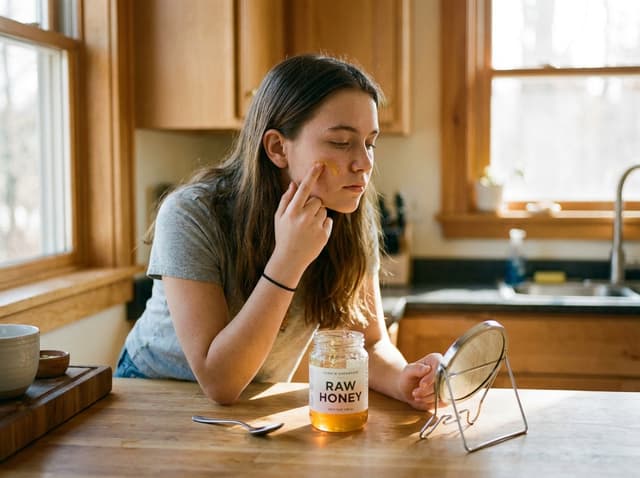
Honey for Acne: Does This Kitchen Ingredient Actually Work?
Manuka honey has real antibacterial research behind it. Regular honey, not so much. Here's what works, what doesn't, and whether it's worth the sticky mess.
Read More →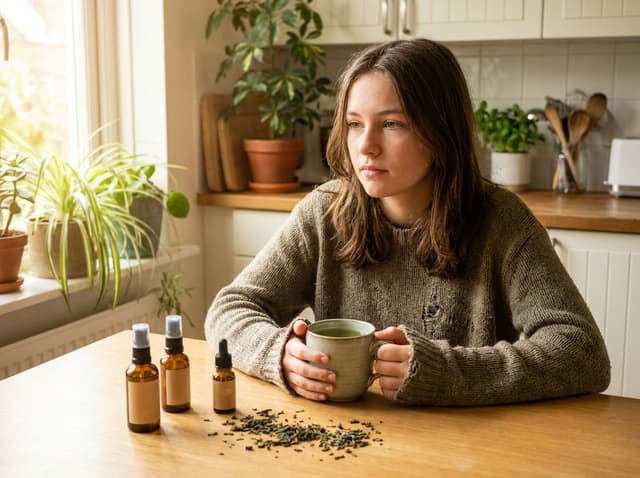
Green Tea and Acne: The Drink (and Ingredient) That Might Help
EGCG in green tea has anti-inflammatory and anti-androgenic properties that could help acne-prone skin. Here's what the research says about drinking it and putting it on your face.
Read More →