A Parent's Guide to Buying Acne Products for Your Teenager: What Actually Works
Medically reviewed by Dr. Sarah Mitchell, MD, Board-Certified Dermatologist
Written by Teen Acne Solutions Editorial Team — Updated March 14, 2026
Key takeaways
- You only need 3-4 products for an effective teen acne routine — cleanser, treatment, moisturizer, and sunscreen
- Focus on INGREDIENTS, not brands — the same active ingredients work whether you spend $8 or $40
- The three proven acne-fighting ingredients are benzoyl peroxide, salicylic acid, and adapalene (retinoid)
- Expensive 'natural' or 'clean' acne products are rarely more effective than drugstore basics
- Starting with too many products at once is the #1 mistake — introduce one new product every 2 weeks
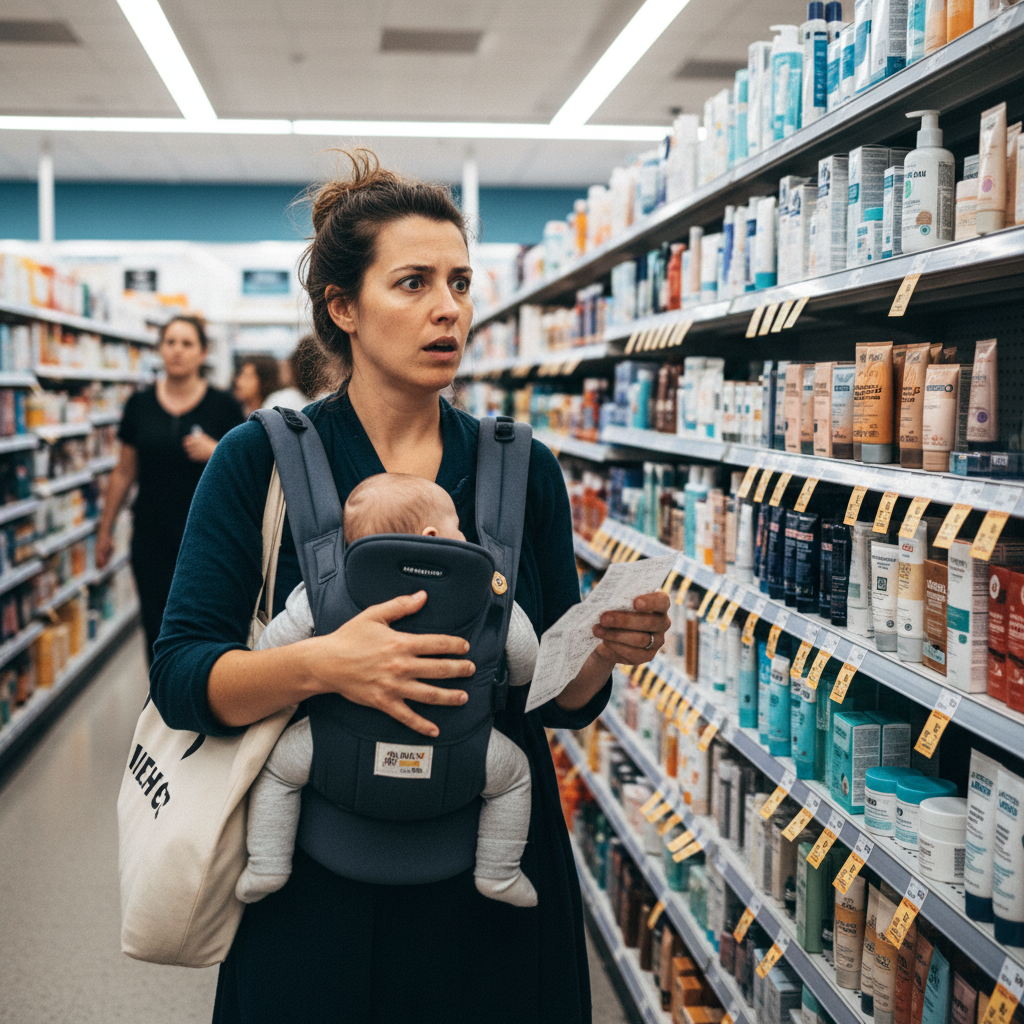
You're standing in the skincare aisle at Target, staring at a wall of products with words like "maximum strength," "deep pore action," and "revolutionary formula." Your teenager texted you a list of things they saw on TikTok. The sales associate shrugged when you asked for help. And you're about two minutes away from just buying everything and hoping something works.
Take a breath. You don't need most of what's on that shelf.
The truth is, the best acne products for teenagers are boring, cheap, and backed by decades of research — not celebrity endorsements. And you only need three or four of them.
This guide will walk you through exactly what to buy, what to skip, and how to put together a teen acne routine from the drugstore that actually works — without spending your grocery budget in the process.
The Only Ingredients That Matter
Here's something dermatologists wish every parent knew: there are really only three over-the-counter ingredients with strong clinical evidence for treating acne. Everything else is either supporting those three or just marketing.
Let's break them down in plain English.
1. Benzoyl Peroxide — The Bacteria Killer
What it does: Kills the specific bacteria (C. acnes) that cause inflamed, red pimples. It also helps unclog pores. Think of it as a disinfectant for breakouts.
What concentration to buy: Start with 2.5%. This is important. Studies have shown that 2.5% benzoyl peroxide works just as well as 5% or 10% — with significantly less irritation, dryness, and peeling. The 10% version that promises "maximum strength" on the label? It's more likely to make your teen's face red and flaky than to clear their skin faster.
Best for: Red, inflamed pimples. Active breakouts with visible pus or redness.
Heads up: It bleaches towels and pillowcases. White towels and white pillowcases are your friend here. Seriously — mention this to your teen before they ruin their favorite hoodie.
2. Salicylic Acid — The Pore Cleaner
What it does: It's an exfoliant that works inside the pore. While a scrub only works on the surface, salicylic acid dissolves the dead skin cells and oil trapped inside pores. Think of it like drain cleaner for clogged pores.
What concentration to buy: 0.5% to 2%. Most drugstore products contain 2%, which is the maximum allowed in OTC products. For sensitive skin, start at 0.5%.
Best for: Blackheads, whiteheads, and bumpy texture. If your teen's acne is mostly small, non-red bumps rather than big inflamed pimples, salicylic acid is often the better starting point.
3. Adapalene (Differin) — The Cell Turnover Booster
What it does: This is a retinoid — a vitamin A derivative that speeds up how quickly skin cells turn over. Old, dead skin cells are a major reason pores get clogged in the first place. Adapalene basically tells the skin to stop piling up dead cells and to push them out faster. It also reduces inflammation.
What concentration to buy: 0.1%. This is the standard OTC strength (sold as Differin Gel). It used to be prescription-only, which tells you how effective it is.
Best for: Stubborn acne that hasn't responded to benzoyl peroxide or salicylic acid alone. Also great for preventing new breakouts, not just treating existing ones.
Important note: Adapalene can cause dryness and peeling for the first 2-4 weeks. Your teen's skin may actually look worse before it gets better (this is called "purging"). Warn them about this ahead of time so they don't quit.
Bottom line: If a product doesn't contain benzoyl peroxide, salicylic acid, or adapalene, it's probably not going to make a meaningful difference for acne. That doesn't mean it's bad — moisturizers and sunscreens are essential too — but they're supporting players, not the star of the show.
What You Actually Need to Buy
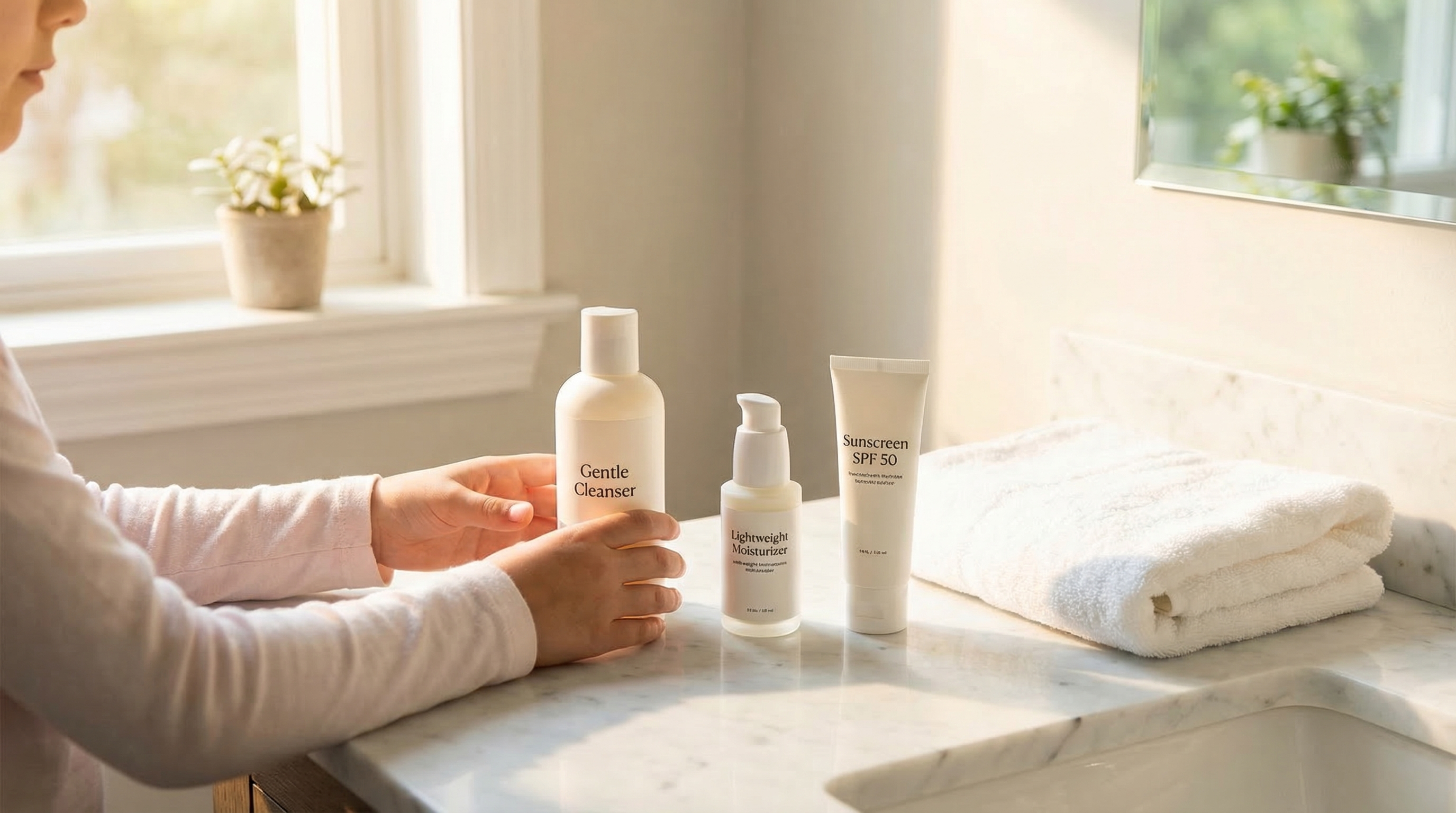
Here's the good news: an effective teen acne routine requires only four products. That's it. Not seven. Not twelve. Four.
Product 1: A Gentle Cleanser
This is the foundation. Your teen needs a mild, fragrance-free cleanser that removes dirt and oil without stripping the skin raw.
What to look for on the label:
- "Fragrance-free" (not "unscented" — that's different)
- "Non-comedogenic" (won't clog pores)
- "Gentle" or "for sensitive skin"
What to avoid: Anything that says "deep clean," "scrubbing," or has visible beads/particles in it. If it tingles or burns, it's too harsh.
Drugstore options that work great:
- CeraVe Foaming Facial Cleanser (~$11)
- Cetaphil Gentle Skin Cleanser (~$9)
- La Roche-Posay Toleriane Hydrating Cleanser (~$15)
- Vanicream Gentle Facial Cleanser (~$9)
You do NOT need an "acne cleanser." A cleanser is on the face for about 30 seconds — that's not enough time for active ingredients to work. Save the acne-fighting ingredients for a leave-on treatment.
Product 2: ONE Treatment Product
Pick ONE of the three proven ingredients above. Not two. Not all three. One.
- For red, inflamed pimples: Benzoyl peroxide 2.5% (Neutrogena On-the-Spot, ~$7; or generic store brand BP 2.5%)
- For blackheads and bumpy skin: Salicylic acid 2% (Stridex Maximum Strength pads, ~$5; or Paula's Choice 2% BHA, ~$12)
- For stubborn or widespread acne: Adapalene 0.1% gel (Differin Gel, ~$13; or store-brand adapalene)
If you're not sure which one to choose, start with benzoyl peroxide 2.5%. It has the broadest evidence base and works for the most common types of teen acne.
Product 3: A Lightweight Moisturizer
Yes, even oily skin needs moisturizer. Especially if your teen is using a treatment product, which can cause dryness. Skipping moisturizer actually makes oily skin oilier — the skin overcompensates when it feels dry.
What to look for: Oil-free, non-comedogenic, fragrance-free.
Drugstore options:
- CeraVe Daily Moisturizing Lotion (~$12)
- Cetaphil Daily Hydrating Lotion (~$10)
- Neutrogena Oil-Free Moisture (~$10)
- Vanicream Daily Facial Moisturizer (~$10)
Product 4: Sunscreen
Non-negotiable, especially if your teen is using adapalene or benzoyl peroxide — both make skin more sensitive to the sun. But even without those, sun exposure darkens acne scars and post-acne marks.
What to look for: SPF 30 or higher, broad-spectrum, oil-free. Many teens prefer mineral sunscreens (zinc oxide) because they're less likely to cause breakouts than chemical sunscreens.
Drugstore options:
- EltaMD UV Clear SPF 46 (~$20 — a splurge, but beloved by dermatologists)
- CeraVe AM Facial Moisturizing Lotion SPF 30 (~$14 — doubles as moisturizer, so you save a product)
- Neutrogena Clear Face SPF 50 (~$11)
- La Roche-Posay Anthelios Mineral SPF 50 (~$18)
Pro tip: If your teen refuses to wear a separate sunscreen, buy a moisturizer with built-in SPF 30+ and use that in the morning. It's not perfect, but it's infinitely better than no sun protection at all.
Your Screenshot-Ready Shopping List
Save this to your phone before you walk into the store.
THE STARTER KIT — Pick one from each category:
| Product | What to Look For | Budget Option | Price |
|---|---|---|---|
| Gentle Cleanser | Fragrance-free, non-comedogenic | Cetaphil Gentle Skin Cleanser or CeraVe Foaming | $9-11 |
| Treatment | BP 2.5%, SA 2%, or Adapalene 0.1% | Neutrogena On-the-Spot (BP) or Stridex pads (SA) | $5-13 |
| Moisturizer | Oil-free, fragrance-free | CeraVe Daily Moisturizing Lotion | $10-12 |
| Sunscreen | SPF 30+, oil-free, non-comedogenic | CeraVe AM SPF 30 (can replace separate moisturizer) | $11-14 |
Total cost: $20-35
That's it. That's the whole list.
What's a Waste of Money
This might sting a little, especially if you've already spent money on some of these. But here's what you can skip:
Expensive "Acne Systems" and Kits
Those three-step kits from Proactiv, AcneFree, or similar brands? They often combine a harsh cleanser, a toner with alcohol, and a benzoyl peroxide treatment at too-high a concentration. You're paying $30-60 for aggressive products bundled together — and the same active ingredients are available individually for much less. The kits also make it impossible to figure out which product is helping and which is causing irritation.
Apricot Scrubs and Physical Exfoliants
St. Ives Apricot Scrub is practically a rite of passage, but dermatologists have been saying for years: physical scrubs are too harsh for acne-prone skin. The rough particles create micro-tears in the skin, spread bacteria, and make inflammation worse. If your teen wants to exfoliate, salicylic acid does a better job without the damage.
Charcoal Masks and Peel-Off Masks
They're satisfying to peel off and look great in selfies. They do almost nothing for acne. At best, they temporarily remove some surface oil. At worst, the peeling irritates already-inflamed skin. The charcoal "detox" claim has no clinical evidence behind it.
Most "Natural" and "Clean" Acne Products
Tea tree oil, witch hazel, aloe vera, turmeric — these ingredients have mild antimicrobial or anti-inflammatory properties, but they're significantly weaker than benzoyl peroxide, salicylic acid, or adapalene. You'll often pay more for "natural" products that do less.
That said, tea tree oil at 5% concentration has some evidence for mild acne. But it works more slowly and less reliably than the proven options above.
Toners with Alcohol
If alcohol (listed as "SD alcohol," "denatured alcohol," or "isopropyl alcohol") is in the first few ingredients, put it back. Alcohol strips the skin's protective barrier, causes rebound oil production, and increases irritation from treatment products. It feels like it's "working" because of the tingle. It's not.
Pore Strips
Nose strips pull out the tops of blackheads temporarily. The blackheads come back within days because the strip doesn't address what's causing them. It's a satisfying but pointless exercise.
The rule of thumb: If a product's main selling point is how it feels (tingly, scrubby, peely, satisfying) rather than what active ingredient it contains, it's probably marketing, not medicine.
Building a Starter Routine
Keep it simple. The more complicated the routine, the less likely your teen will actually do it.
Morning Routine (2 minutes)
- Wash face with gentle cleanser and lukewarm water
- Apply moisturizer (or moisturizer with SPF)
- Apply sunscreen if moisturizer doesn't include SPF
That's it for the morning. No treatment product needed — save that for nighttime.
Evening Routine (3 minutes)
- Wash face with gentle cleanser (remove any makeup, sunscreen, or sweat from the day)
- Apply treatment product (BP, SA, or adapalene — just one)
- Apply moisturizer (wait a minute or two after treatment to let it absorb)
The "One at a Time" Rule
This is the single most important piece of advice in this entire article:
Introduce only ONE new product every two weeks.
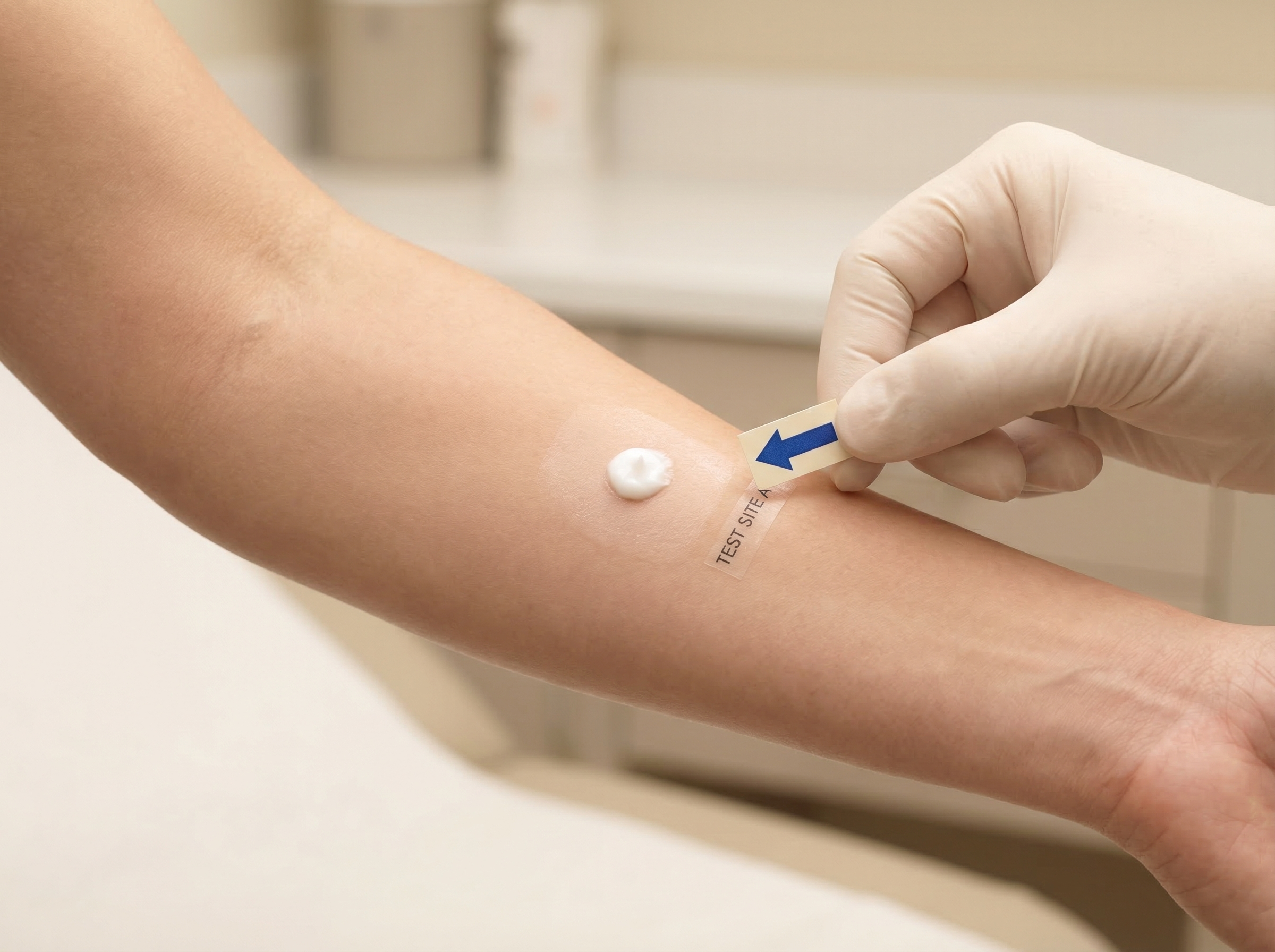
Here's why: if your teen starts a cleanser, treatment, and moisturizer all on the same day and breaks out in a rash three days later, you have no idea which product caused the reaction. You'll throw everything out and start over.
Instead, follow this timeline:
- Week 1-2: Start with just the cleanser and moisturizer. Make sure neither causes irritation.
- Week 3-4: Add the treatment product. Start with every other night to ease into it.
- Week 5-6: If everything is going well, start using the treatment every night.
- Week 8-12: Assess results. Acne treatments take a minimum of 6-8 weeks to show real improvement.
Yes, this is slow. Your teen will want faster results. Explain that going slow is actually the fastest route because you avoid setbacks from irritation and allergic reactions.
Budget Breakdown
Let's put to rest the idea that good acne care requires expensive products. Here are three realistic budgets:
The Bare-Bones Budget (~$23)
| Product | Price |
|---|---|
| Cetaphil Gentle Skin Cleanser (8 oz) | $9 |
| Stridex Maximum Strength Pads (SA 2%) | $5 |
| Cetaphil Daily Hydrating Lotion | $9 |
| (Skip separate sunscreen — use SPF moisturizer in AM if budget allows) | — |
| Total | $23 |
The Recommended Budget (~$33)
| Product | Price |
|---|---|
| CeraVe Foaming Facial Cleanser | $11 |
| Neutrogena On-the-Spot BP 2.5% | $7 |
| CeraVe AM Facial Moisturizing Lotion SPF 30 | $15 |
| (AM moisturizer includes SPF, so no separate sunscreen needed) | — |
| Total | $33 |
The "Best Available" Budget (~$50)
| Product | Price |
|---|---|
| La Roche-Posay Toleriane Cleanser | $15 |
| Differin Gel (Adapalene 0.1%) | $13 |
| CeraVe Daily Moisturizing Lotion | $12 |
| EltaMD UV Clear SPF 46 | $20 |
| Total | ~$55 |
Key point: The $23 routine and the $55 routine use the same types of proven ingredients. The expensive version isn't dramatically "better" — it may be slightly more cosmetically elegant or have a few extra supportive ingredients, but the acne-fighting power is comparable. Your teen's skin does not know how much you paid.
Each of these products lasts 1-3 months depending on usage, making the ongoing monthly cost quite reasonable.
What to Look For on Labels
When you're comparing products, flip them over and check for these things:
- "Non-comedogenic" — Formulated to not clog pores. Not a guarantee, but a good sign.
- "Fragrance-free" — Fragrances (even "natural" ones) are a leading cause of skin irritation. "Unscented" is not the same — unscented products may use masking fragrances.
- "Oil-free" — Especially important for moisturizers and sunscreens on acne-prone skin.
- Active ingredient and percentage — This is listed at the top of the "Drug Facts" panel. Make sure you're getting the concentration you want (2.5% BP, not 10%).
- "Dermatologist-tested" — A soft claim, but at least it means someone with medical training reviewed it.
Labels that DON'T mean much: "Dermatologist-recommended" (which dermatologist?), "clinically proven" (what was the study?), "all-natural" (poison ivy is natural too), "gentle enough for daily use" (says who?).
Common Mistakes Parents Make
After years of hearing from parents, here are the most common shopping mistakes — all made with the best intentions:
Mistake 1: Buying Everything at Once
Your teen comes to you in tears about their skin. Your instinct is to fix it immediately. So you buy a cleanser, toner, scrub, spot treatment, mask, and moisturizer in one trip. Your teen uses all of them that night, wakes up with a red, peeling face, and decides skincare "doesn't work." Start with two products. Add from there.
Mistake 2: Choosing the Strongest Concentration
More is not better. The 10% benzoyl peroxide face wash is not twice as effective as the 5%. Research consistently shows that 2.5% benzoyl peroxide is just as effective at killing acne bacteria as 10% — it just causes less dryness, redness, and peeling. Start low. You can always go up if needed.
Mistake 3: Shopping by Brand Instead of Ingredient
Your coworker swears by Brand X. Your sister-in-law uses Brand Y. TikTok says Brand Z is the only thing that works. Ignore all of this. Flip the bottle over and look at the active ingredient and its percentage. A $7 tube of 2.5% benzoyl peroxide from the store brand works identically to a $25 tube of 2.5% benzoyl peroxide from a fancy brand. The molecule doesn't know what label is on the box.
Mistake 4: Buying What Worked for You 20 Years Ago
Acne products have genuinely improved. The harsh astringents and drying treatments that were standard in the early 2000s are now considered outdated. If you're reaching for Stridex pads because you used them in high school — that's actually still a decent choice. But if you're reaching for rubbing alcohol on a cotton ball or a gritty scrub, those approaches have been replaced by better options.
Mistake 5: Falling for "Acne Skin Care System" Marketing
Bundled kits are designed to be convenient, not effective. They lock you into a brand's ecosystem and often include products you don't need (toners, "revitalizing" mists). Worse, they usually use one-size-fits-all concentrations that may be too strong for your teen's skin.
Mistake 6: Not Buying Moisturizer
"But my teen's skin is already oily!" This is the most common objection. Here's the thing: treatment products dry out the skin. Dry skin produces more oil to compensate. Skipping moisturizer actually makes oily skin worse and makes treatment products harder to tolerate. An oil-free, lightweight moisturizer is not optional — it's essential.
When Products Aren't Enough
Over-the-counter products work well for mild to moderate acne. But they have limits. It's time to see a dermatologist if:
- Your teen's acne hasn't improved after 8-12 weeks of consistent use of OTC products
- The acne is deep, painful, or cystic — hard, tender bumps under the skin that don't come to a head
- Acne is leaving scars — dark marks, pitted scars, or raised bumps where breakouts were
- Acne is spreading to the back, chest, or shoulders in addition to the face
- It's affecting your teen's mental health — they're avoiding social situations, refusing to go to school, or you notice signs of depression or anxiety related to their skin
- You've tried two or three OTC approaches and nothing has made a difference
A dermatologist has access to prescription-strength retinoids, topical and oral antibiotics, hormonal treatments (for girls), and in severe cases, isotretinoin (Accutane). These are powerful tools that can make a dramatic difference — but they require professional guidance.
Don't think of seeing a dermatologist as "giving up." Think of it as upgrading from the tools available at the hardware store to calling in a professional contractor. Some jobs need professional tools.
For help knowing when it's time, check out our guide: When to See a Dermatologist for Teen Acne.
A Quick Word About Your Teen's Feelings
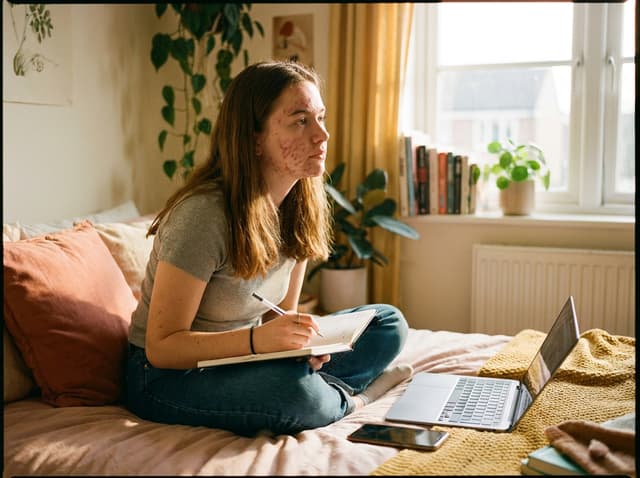
One more thing before you head to the store. Your teenager's acne might seem like a minor cosmetic issue to you. It's not minor to them. Acne peaks at exactly the age when kids care most about how they look and what their peers think. Studies consistently link teenage acne to lower self-esteem, anxiety, and even depression.
So when your teen asks for help with their skin, that's a big deal. They're trusting you.
Keep these things in mind:
- Don't minimize it. "It's just acne, everyone gets it" is technically true and completely unhelpful.
- Let them be involved in choosing products. Even if you know what active ingredient to look for, let them pick the brand or packaging they prefer. Ownership increases compliance.
- Set realistic expectations together. Nothing works overnight. Have a conversation about the 6-8 week timeline before you start.
- Celebrate the process, not just results. "I noticed you've been really consistent with your routine this week" matters more than "Is your skin better yet?"
The Bottom Line
You don't need to be a dermatologist to buy effective acne products for your teenager. You just need to know three things:
- The only ingredients that matter are benzoyl peroxide, salicylic acid, and adapalene.
- You only need four products: gentle cleanser, one treatment, moisturizer, and sunscreen.
- Go slow. One new product every two weeks. Lower concentrations first. Give it 8-12 weeks.
Everything else — the fancy packaging, the TikTok hype, the 10-step routines, the $50 serums — is noise. Tune it out. Grab a gentle cleanser, a tube of 2.5% benzoyl peroxide, a basic moisturizer, and a sunscreen. You'll walk out spending less than $35, and you'll have everything your teen actually needs.
That wall of products in the skincare aisle is a lot less intimidating when you know that 90% of it doesn't matter.
How we reviewed this article:
Our experts continually monitor the health and wellness space, and we update our articles when new information becomes available.
- Zaenglein AL, et al. (2016). Guidelines of care for the management of acne vulgaris. JAAD.https://pubmed.ncbi.nlm.nih.gov/26897386/
- Kraft J, Freiman A. (2011). Management of acne. CMAJ.https://pubmed.ncbi.nlm.nih.gov/21398228/
- Bowe WP, Shalita AR. (2008). Effective over-the-counter acne treatments. Seminars in Cutaneous Medicine and Surgery.https://pubmed.ncbi.nlm.nih.gov/18786497/
- Thiboutot DM, et al. (2009). New insights into acne management. JAAD.https://pubmed.ncbi.nlm.nih.gov/19467365/
- Gollnick H, et al. (2003). Management of acne. JAAD.https://pubmed.ncbi.nlm.nih.gov/12734496/
- Del Rosso JQ. (2009). The role of skin care in acne management. JCAD.https://pubmed.ncbi.nlm.nih.gov/20729948/
- American Academy of Dermatology. Acne: Tips for Managing.https://www.aad.org/public/diseases/acne/skin-care/tips
- Dréno B, et al. (2007). The role of cosmetics in acne management. Dermatology.https://pubmed.ncbi.nlm.nih.gov/17911985/
- Strauss JS, et al. (2007). Guidelines of care for acne vulgaris. JAAD.https://pubmed.ncbi.nlm.nih.gov/17276540/
- Leyden JJ. (1995). New understandings of acne pathogenesis. JAAD.https://pubmed.ncbi.nlm.nih.gov/7775256/
Read This Next
25 Questions to Ask Your Dermatologist About Acne

When to Get a Second Opinion from Another Dermatologist
If your teen's acne treatment isn't working and your dermatologist isn't budging, it might be time to find someone new. Here's how to know and what to do about it.
Read More →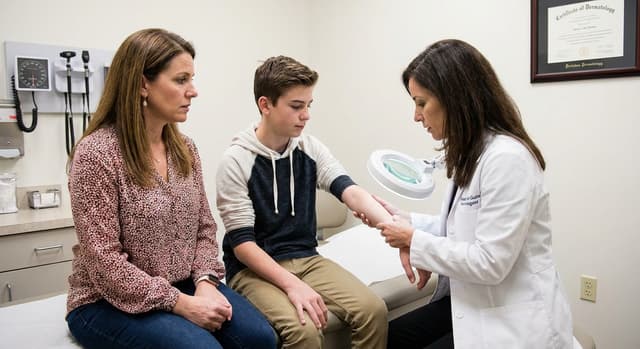
Accutane for Teens: Everything Parents and Teens Need to Know
Accutane (isotretinoin) clears severe acne in about 85% of patients, but the process involves monthly blood tests, strict pregnancy prevention, and several months of very dry everything. Here's what the experience actually looks like.
Read More →
How to Help Your Teenager with Acne: A Complete Guide for Parents
Watching your teen struggle with acne is harder than most people realize. Here's a dermatologist-reviewed guide for parents who want to help — without overstepping, minimizing, or making things worse.
Read More →
How to Talk to Your Teenager About Acne Without Making It Worse
Bringing up acne with your teen is a minefield. Say the wrong thing and they shut down. Say nothing and they suffer alone. Here's how to start the conversation the right way.
Read More →